Zerodha’s Dinesh Pai sees an upside in US green card suspension for TCS, Infosys, Wipro
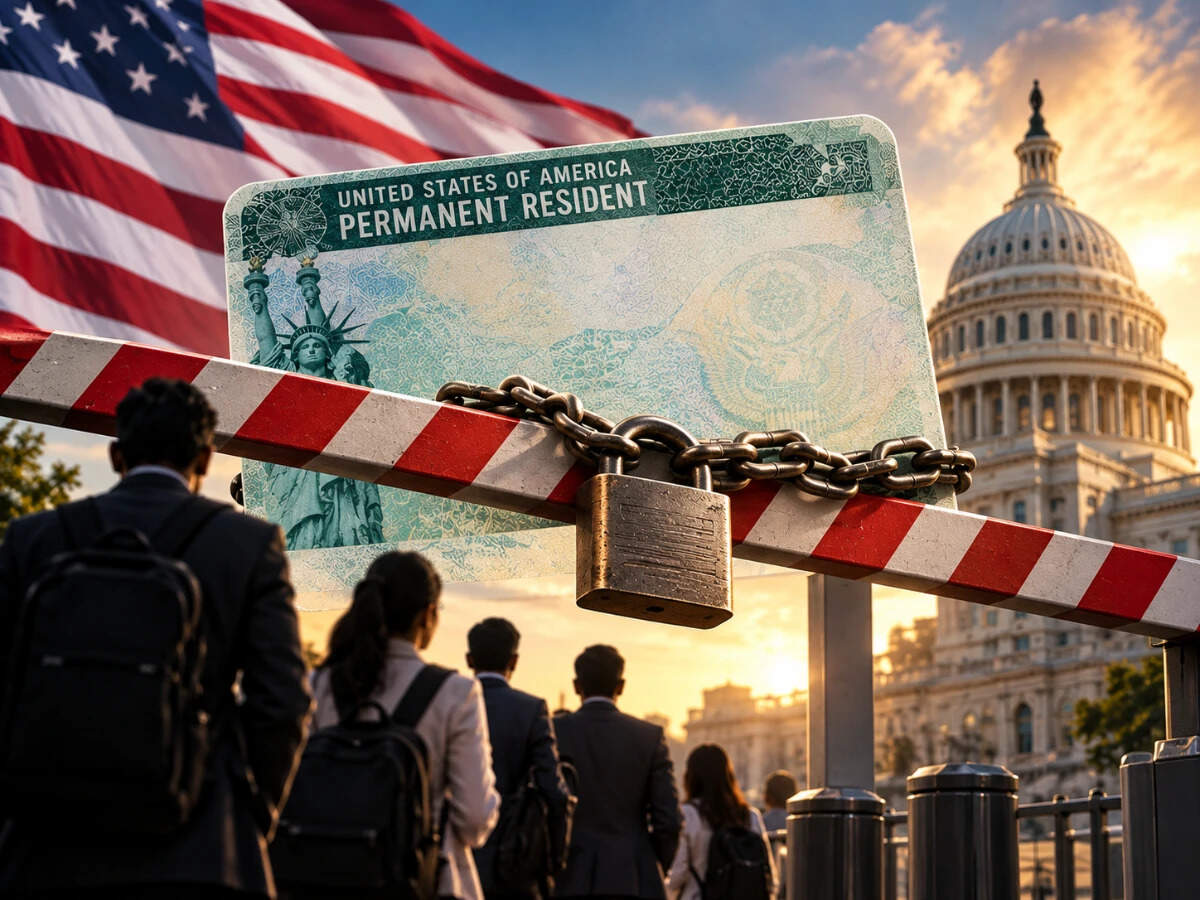

Green card gates close for 8 IT giants as US targets Infosys, Wipro, Tata and Microsoft
The US decision to suspend eight technology and IT services companies, including TCS, Infosys, Wipro and HCL Technologies, from its green card labour certification programme has left many Indian professionals in America worried about their long-term plans.
Zerodha’s Dinesh Pai, however, sees an upside for India. In a post on X, Pai said that if US companies cannot bring talent to the US, they will probably bring the work to India instead.The suspension was announced on October 8 by US Vice President JD Vance and Labor Secretary Keith Sonderling. Alongside the four Indian IT majors, the list names Microsoft, Adobe, Cognizant and Capgemini. The US Department of Labor will neither accept new nor process pending applications from these companies under the Permanent Labor Certification programme, known as PERM.
It is the step an employer must clear before sponsoring a foreign worker for an employment-based green card.
US officials cited alleged fraud and the displacement of American workers.
Fewer Indians in the US could mean lower remittances
Pai began with the downside. India receives about $125 billion in remittances a year, the most of any country, and the US accounts for roughly a quarter of it, over $30 billion. Fewer high-earning Indians settling in the US could eventually shrink that flow.
He added that fewer Indians in top American jobs could also mean less soft power for the country and less angel capital coming into Indian startups.
GCCs and AI startups in India could gain from the green card freeze
The upside, in Pai’s view, lies in Global Capability Centres (GCCs). He expects them to expand further in India, which already hosts more than 2,100 GCCs employing about 2.4 million people. He also sees more top engineering talent staying back to build Indian companies and AI startups, rather than working under visa uncertainty abroad.
Pai ended his post by asking followers what else he was missing.Microsoft and TCS have both defended their records. Microsoft said 80% of its roughly 6,000 H-1B applications in the last fiscal year were to extend or change the status of existing employees. TCS said it does not expect a material impact on its workforce strategy, as its PERM filings were in single digits over the past two years. It still plans to hire 15,000 more people in the US over the next five years.For employees, the suspension does not cancel existing H-1B visas or green cards already granted. It halts the PERM route through these eight employers, and no end date has been announced. That means a longer wait for those already in the queue, and possibly more reason for some of that talent and work to stay in India, as Pai suggests.
KioskNews shows a cleaned-up reading view extracted from the publisher’s page — the original always lives on their site, not ours.