Wedding Or The World? Gen Z Couples Are Choosing To Save For What's Next

From lavish celebrations to savings for a home, a long-awaited trip or financial security, some young Indian couples are rethinking where their wedding money goes. For them, the big question is not just how to celebrate, but what they want to build afterwards.
The big fat Indian wedding has long been a family affair. Months of planning, elaborate decorations, designer outfits, multiple functions and guest lists running into hundreds. For many families, spending lakhs, sometimes crores, on a wedding is part of the celebration.
Advertisement - Scroll to continue
But a younger generation is beginning to look at the occasion differently.
For some Gen Z couples, getting married is no longer just about putting together a memorable celebration. It is also about figuring out what comes next. A home of their own, a trip they have been putting off, manageable EMIs and enough savings to start married life without financial pressure are increasingly finding a place in the conversation.
This does not mean that young Indians have stopped dreaming of grand weddings. Nor are micro-weddings suddenly replacing traditional celebrations. But there are couples who would rather spend on what matters to them and put some of their money towards a longer-term goal.
Advertisement - Scroll to continue
For some, that is the holiday they always postponed. For others, it is an emergency fund, a first investment portfolio, or the cushion to take a career risk. And for many, it is buying their first home.
The Wedding Is No Longer The Only Milestone
Traditionally, the wedding came first and everything else, from the house to the holidays to the savings, followed once a couple had settled into their careers.
That sequence is changing. Younger Indians are planning big financial goals earlier, and some are discussing them even before the wedding. Homeownership is the clearest example.
Atul Monga, CEO and Co-founder of BASIC Home Loan, says the company's survey findings point to this shift. "Our 2026 survey report of more than 7,400 existing and aspiring homebuyers found that Millennials and Gen Z account for nearly 90-95 per cent of residential property purchases. The average age of home-loan applicants has also fallen to around 25, from 35+ a few years ago," Monga told NDTV.
According to him, this does not mean every young couple wants to buy a house before getting married. But owning a home is increasingly becoming part of financial planning at an earlier age. And that can change how couples look at wedding expenses.
When The Wedding Budget Meets Everything Else
There is no denying that Indian weddings remain expensive.
According to WedMeGood's 2025-26 Annual Wedding Industry Report, the average wedding expenditure stood at Rs 39.5 lakh, an increase of 8 per cent over the previous year. The report drew inputs from more than 2,000 couples and over 500 wedding professionals.
For a young couple, spending this kind of money can mean delaying other goals. A wedding budget of Rs 20 lakh, for instance, is also Rs 20 lakh that cannot go towards a house down payment, a year of travel, investments or an emergency fund.
This is where some couples are beginning to make different choices. Take Delhi-based Rohan and Ananya Mehta. The couple got married in July, but their financial planning did not end with the wedding. They have now started working towards setting aside Rs 15 lakh for the down payment on their first home.
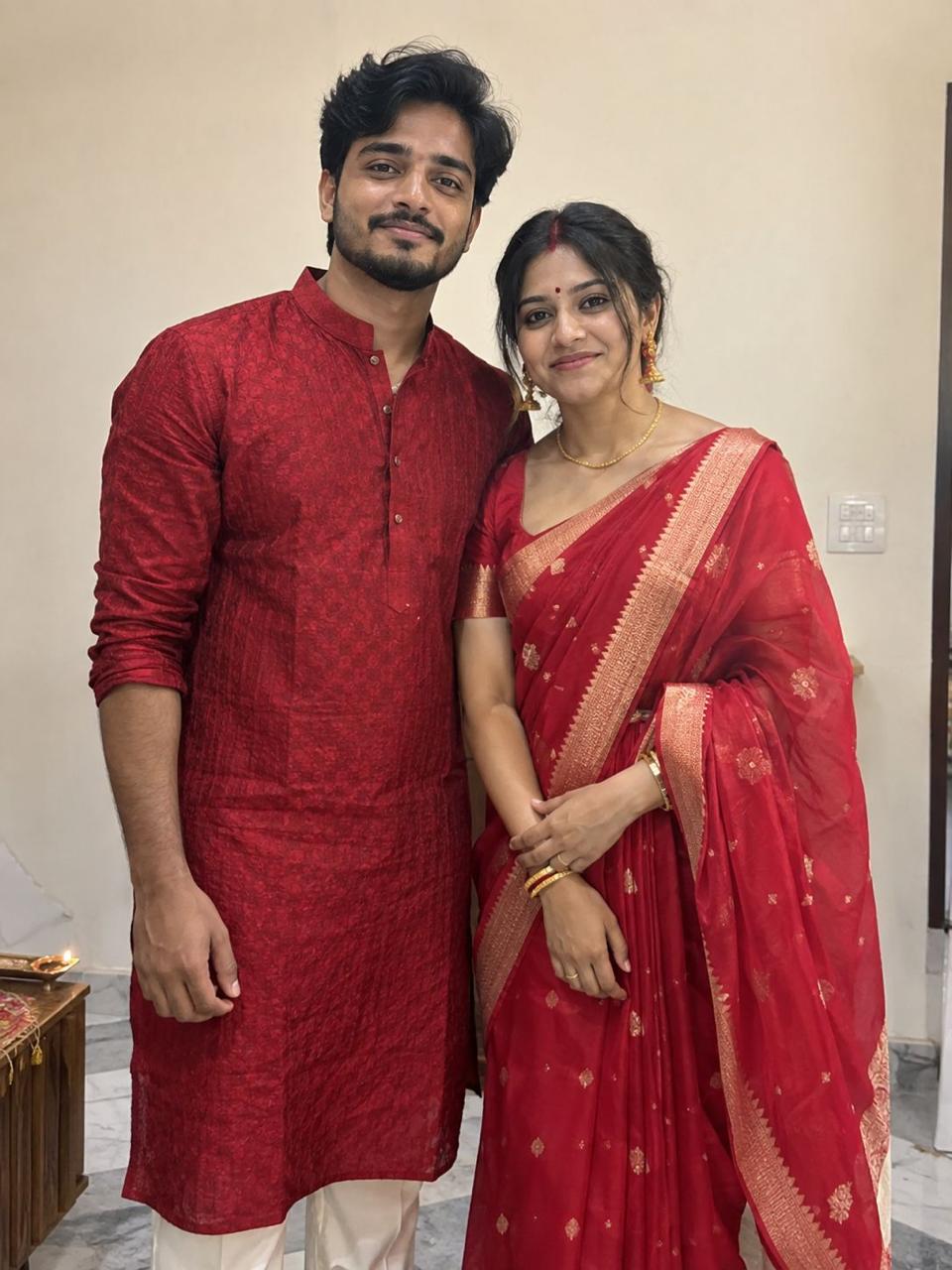
Rohan and Ananya Mehta
For them, the idea was never to make the wedding less special. It was to ensure that the celebrations did not push their plans out of reach. "We wanted our wedding to feel special, but we also knew we wanted to start married life in our own home. So we were clear that the wedding should not come at the cost of that goal," they say.
Rs 25,000 A Month For What Comes Next
Not every couple wants to save a large amount immediately after marriage. Some prefer to build their savings gradually.
Arjun and Priya Sharma, another newlywed couple, have taken this route. Rather than making drastic cuts to their wedding expenditure, they decided to start saving for their first home through regular monthly contributions.
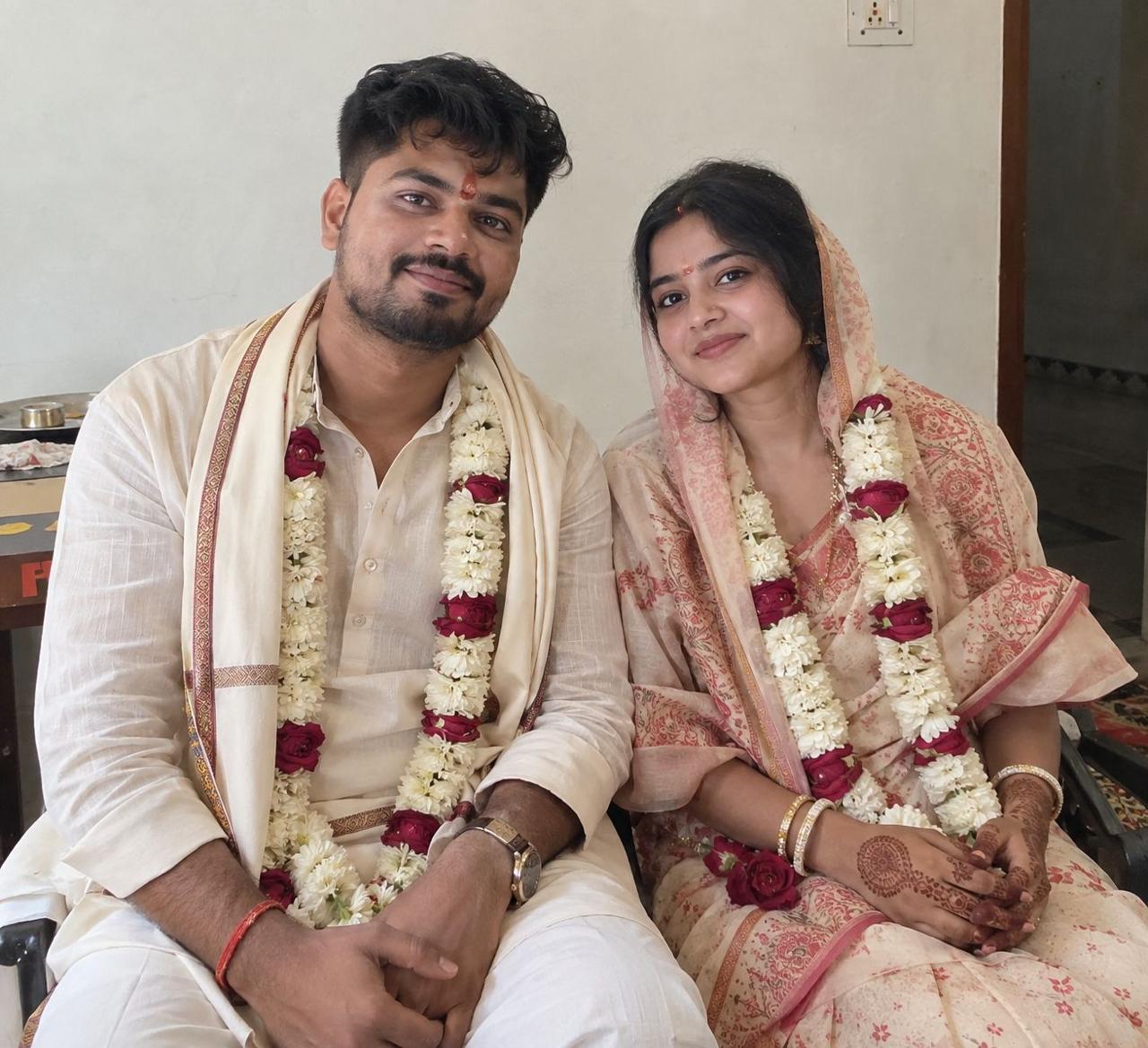
Arjun and Priya Sharma
They have started putting aside Rs 25,000 every month. That works out to Rs 3 lakh a year. "We did not want to cut back simply for the sake of saving. We wanted to spend on the parts of the wedding that mattered to us, while making sure we continued putting money aside. We have started with Rs 25,000 a month towards the home, which gives us Rs 3 lakh a year without making the goal feel overwhelming," they say.
One couple is working towards a sizeable down payment. The other is building a fund month by month. But both have made room for their future in their financial plans while navigating the expenses of married life.
Are Micro-Weddings Becoming More Attractive?
The idea of a micro-wedding fits into this changing conversation.
A smaller guest list, fewer functions and more intimate celebrations can help couples exercise greater control over their budgets. Some may prefer a small ceremony with close family and friends. Others may spend only on the experiences they value, such as photography, travel or a special venue, rather than trying to accommodate every tradition.
The money saved can then go towards a home, a honeymoon that stretches into a proper break, or simply a bigger safety net.
However, a smaller wedding does not automatically mean a cheaper wedding. An intimate celebration at an expensive venue can cost more than a larger gathering at a modest location. Similarly, choosing a grand wedding does not necessarily mean a couple is financially irresponsible. Much depends on who is paying, how the money is arranged and whether the spending affects other financial commitments.
The shift is less about abandoning traditional weddings and more about having greater control over how the money is spent.
The Cost Of One Big Celebration
Consider a couple with a wedding budget of Rs 20 lakh.
If they decide to spend Rs 15 lakh instead, they have Rs 5 lakh left for other goals. That money could fund a long-awaited trip, form part of a down payment or provide a cushion for unexpected expenses. Setting aside Rs 25,000 every month adds another Rs 3 lakh in a year, before any interest or investment returns.
Of course, a goal like a home involves much more than the down payment. Couples also need to account for stamp duty, registration charges, interiors, maintenance and regular EMIs. A home loan can run for 15-25 years, and taking one on too early or stretching the budget can create financial pressure.
Young couples must therefore look beyond the excitement of any big goal. Their monthly income, existing loans, job stability and emergency savings should all be part of the decision.
A Wedding Is One Day. A Life Is A Much Longer Commitment
For generations, a wedding was often treated as the first major financial milestone after a couple decided to spend their lives together. Everything else came later.
That order is no longer set in stone. Not every couple will choose a micro-wedding. Not everyone will want to buy a house or book a long trip immediately after marriage. And there is nothing wrong with spending on a celebration that holds emotional value.
But for some young Indians, the dream wedding is no longer the only dream they are saving for.
They want the photographs, the celebrations and the memories. But they also want a set of house keys, a passport with a few more stamps, and enough financial breathing room to enjoy the life they have just begun.
KioskNews shows a cleaned-up reading view extracted from the publisher’s page — the original always lives on their site, not ours.