How a WhatsApp channel called ‘Lula’s Army’ became a force in Brazil election
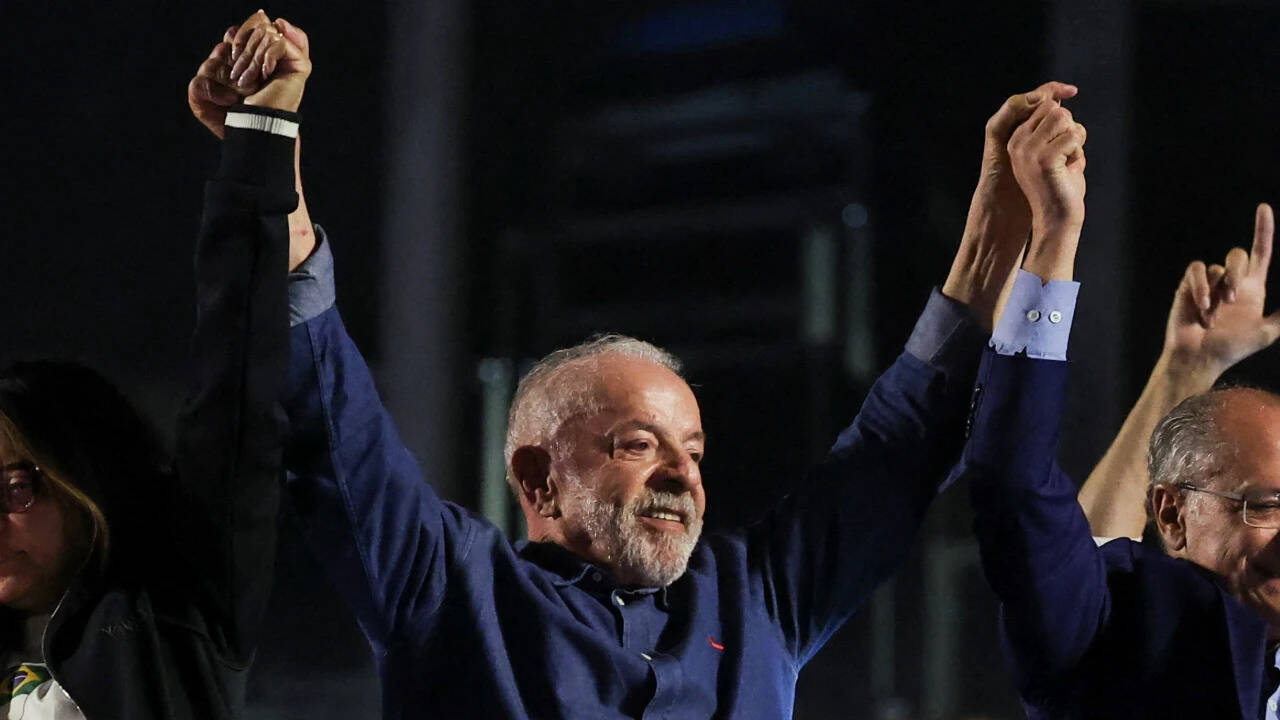
Brazil's President Luiz Inacio Lula da Silva
President Luiz Inácio Lula da Silva has won Brazil’s presidential runoff, securing a fourth non-consecutive term after a closely contested election. However, the result faces a potential legal challenge from rival Flávio Bolsonaro, while US president Donald Trump has questioned the vote, alleging that it was “rigged”.Lula secured more than 64 million votes, defeating Bolsonaro, who received just under 60 million, by nearly 4.4 million votes. The incumbent is expected to take office on January 5, 2027, for a fourth non-consecutive term.A key factor in Lula’s comeback was the mobilisation of voters who had abstained in the first round or backed other candidates. An additional 14.1 million voters participated in the runoff, with analysts estimating that three-quarters of these votes went to Lula.Central to the campaign was lawmaker André Janones’ WhatsApp channel, “Lula’s Army”, which attracted nearly 11 million people and encouraged supporters to campaign on social media.Janones adopted an aggressive, sustained digital strategy, Oliver Stuenkel, a professor of international relations at Fundação Getulio Vargas in São Paulo told news agency AP.“He basically embraced the right’s style of aggressive politics, very intense, constant messaging,” Stuenkel said.
“The defeat in the first round jolted the Lula campaign into action. The strategy during the first round was lacklustre and saw a lot of infighting,” he added, according to AP.Juliano Cortinhas, an international relations professor at the University of Brasília, said the digital campaign also helped pressure Meta, which owns WhatsApp, Instagram and Facebook, over allegations of bias favouring Bolsonaro.“There was ‘external interference we were suffering by major platforms’,” Cortinhas told AP.
He added: “It wasn't only Meta, many others were using their algorithms to repost many images and many messages of the far-right, and they did not do the same to the left.”Brazil’s top electoral court ruled on October 15 that Meta must ensure equal treatment of both candidates. The company subsequently said it had addressed the order.Meanwhile, Trump questioned the result on Monday, saying, “Elections have to be indisputable and it looked very bad to me.”
He added: “I thought it had a very bad look, the way it was tabulated.”“It looked like another rigged election, frankly,” Trump said, without presenting evidence.Flávio Bolsonaro has pledged to organise opposition to Lula and seek to nullify the results. He said, “I am going to gather elected lawmakers and senators to organize our strategy and make the lower house and the Senate our fortress against barbaric acts that are set to happen in another four years of Lula.”However, overturning the result would require evidence of fraud affecting Lula’s 4.4 million-vote margin and approval from Brazil’s eight-member electoral court before certification on December 18.Benjamin Gedan, director of the Stimson Center’s Latin America programme, warned, “False claims of fraud are becoming commonplace, though that does not make them any less dangerous.”
KioskNews shows a cleaned-up reading view extracted from the publisher’s page — the original always lives on their site, not ours.