Soon, Delhi officials may face a fine for delaying govt services
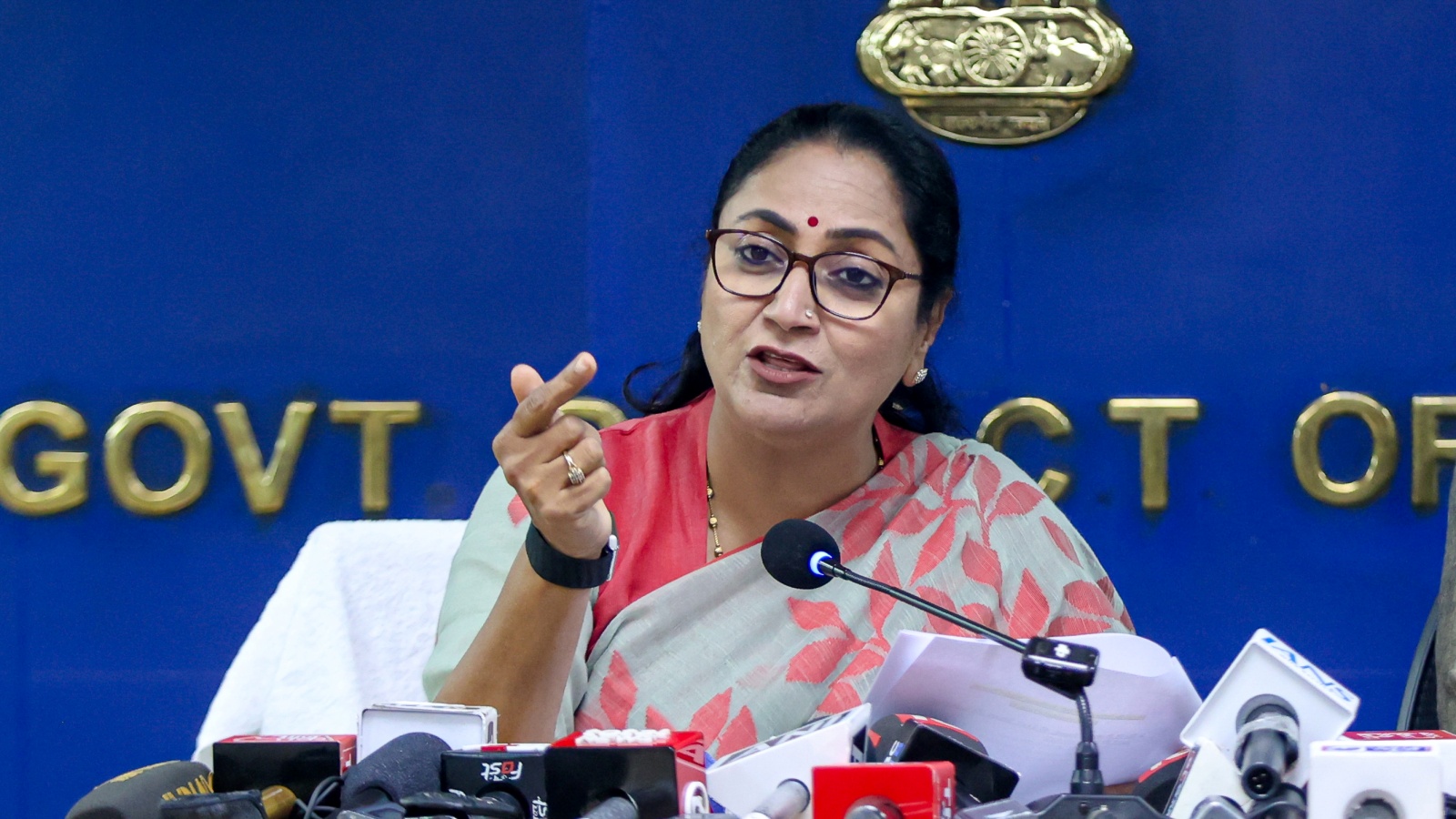
Chief Minister Rekha Gupta said the law was inspired by Prime Minister Narendra Modi’s mantra of ‘Minimum Government, Maximum Governance’. (File Photo)
The Delhi government has notified a law to make officials accountable for delays in delivering government services within prescribed timelines without sufficient reason, with provisions for a one-time penalty of Rs 250 that can go to a maximum of Rs 5,000.
The Delhi (Right of Citizens to Time-Bound and Easy Delivery of Services) Act, 2026, will replace a 2011 law and introduce a system of automatic escalation of appeals, online application tracking and monetary penalties for officials found responsible for delays or unjustified rejection of applications.
Chief Minister Rekha Gupta said the law was inspired by Prime Minister Narendra Modi’s mantra of ‘Minimum Government, Maximum Governance’. “The government is committed to making Delhi’s governance system citizen-centric, responsive and accountable, ensuring that every eligible citizen receives services on time and without difficulty,” she said.
Under the new law, the government will notify the services covered under the Act, the maximum time within which each must be delivered, and the designated officer responsible for providing them. The provisions will apply to notified government departments, local bodies, autonomous bodies and statutory organisations.
Apart from daily penalties for delays, officials may face a one-time fine ranging from Rs 250 to Rs 5,000. The penalty can also be imposed on other officials found responsible for the delay, and recovered from their salaries.
The law will apply to regular government staff and employees of local bodies and authorities owned, controlled or substantially financed by the Delhi government. Casual and daily-wage employees, as well as contractual employees (unless their contracts provide otherwise), have been excluded.
Escalation and appeals
A key provision is automatic escalation of appeals in case of delays. If a designated officer fails to deliver a service within the stipulated timeline, the original application will automatically be treated as an appeal before the Citizen Grievance Redressal Authority. Citizens will not have to file a separate appeal.
Story continues below this ad
The authority, which will comprise an officer at least one or two levels senior to the designated officer, will have to decide appeals within 30 days. It can direct the officer to provide the service within seven days if the default appears prima facie unreasonable, without issuing a prior notice. In cases of rejection, applicants can separately appeal against the decision.
If the grievance redressal authority fails to meet its prescribed timeline, the matter will automatically be escalated to the Delhi Right to Service Commission. The applicant or designated officer can also challenge the authority’s order before the Commission within 30 days. Its orders will be final and binding.
© The Indian Express Pvt Ltd

Devansh Mittal is a Correspondent at The Indian Express, based in the New Delhi City bureau. He repo... Read More
KioskNews shows a cleaned-up reading view extracted from the publisher’s page — the original always lives on their site, not ours.