Major recruitment drive to recruit new magistrates to address courts backlog
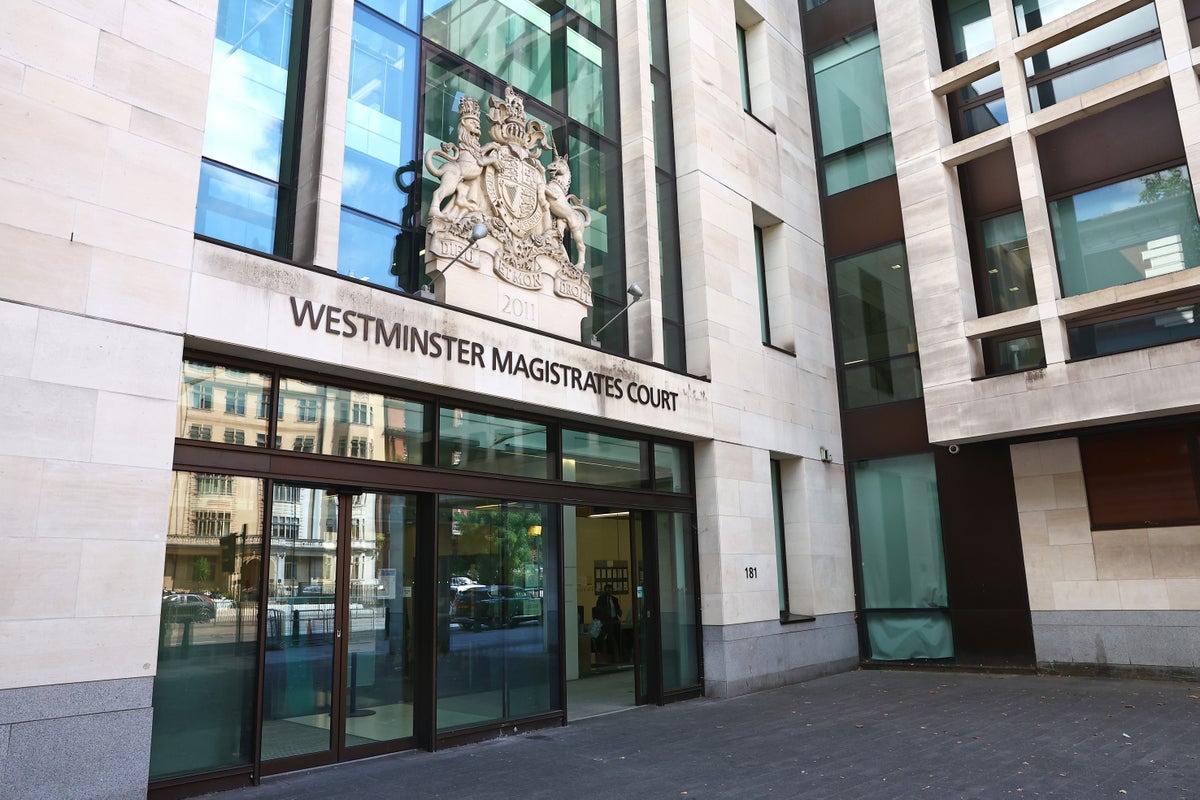
A new government recruitment campaign is underway to sign up thousands of additional magistrates in a bid to reduce court backlogs.
Promotional material is scheduled to be broadcast across national television networks and social media platforms.
The Ministry of Justice (MoJ) intends to build a bench of 21,000 volunteers by 2029, following a decline to 12,500 personnel in 2022.
Composed of unpaid members of the public, magistrates oversee approximately 95 per cent of criminal proceedings.
Planned Labour reforms will expand their jurisdiction, increasing their maximum sentencing power from the current 12-month cap to 18 months’ imprisonment to handle further cases.

Lord Chancellor and Secretary of State for Justice Alex Norris said: “Magistrates embody the very best of public service. They give their time, experience and judgement to make vital decisions that help ensure justice is delivered fairly in communities across the country.
“I’m calling on the public to play their part – we need more people from all walks of life to step forward and become their local magistrate.”
Some 57 per cent of magistrates are women, and 14 per cent are from ethnic minority backgrounds.
The role requires volunteers to sit for a minimum of 13 days a year, which the MoJ says makes it compatible with work and family commitments.
Catherine Feast, chief executive of the Magistrates’ Association, said: “A good magistrate is a team player, a problem-solver, a good listener, and shows good judgment and empathy in court.
“These are qualities that many people have, and we’d encourage anyone who thinks they have what it takes to do this demanding but rewarding role, to take the next step and apply to become a magistrate.”
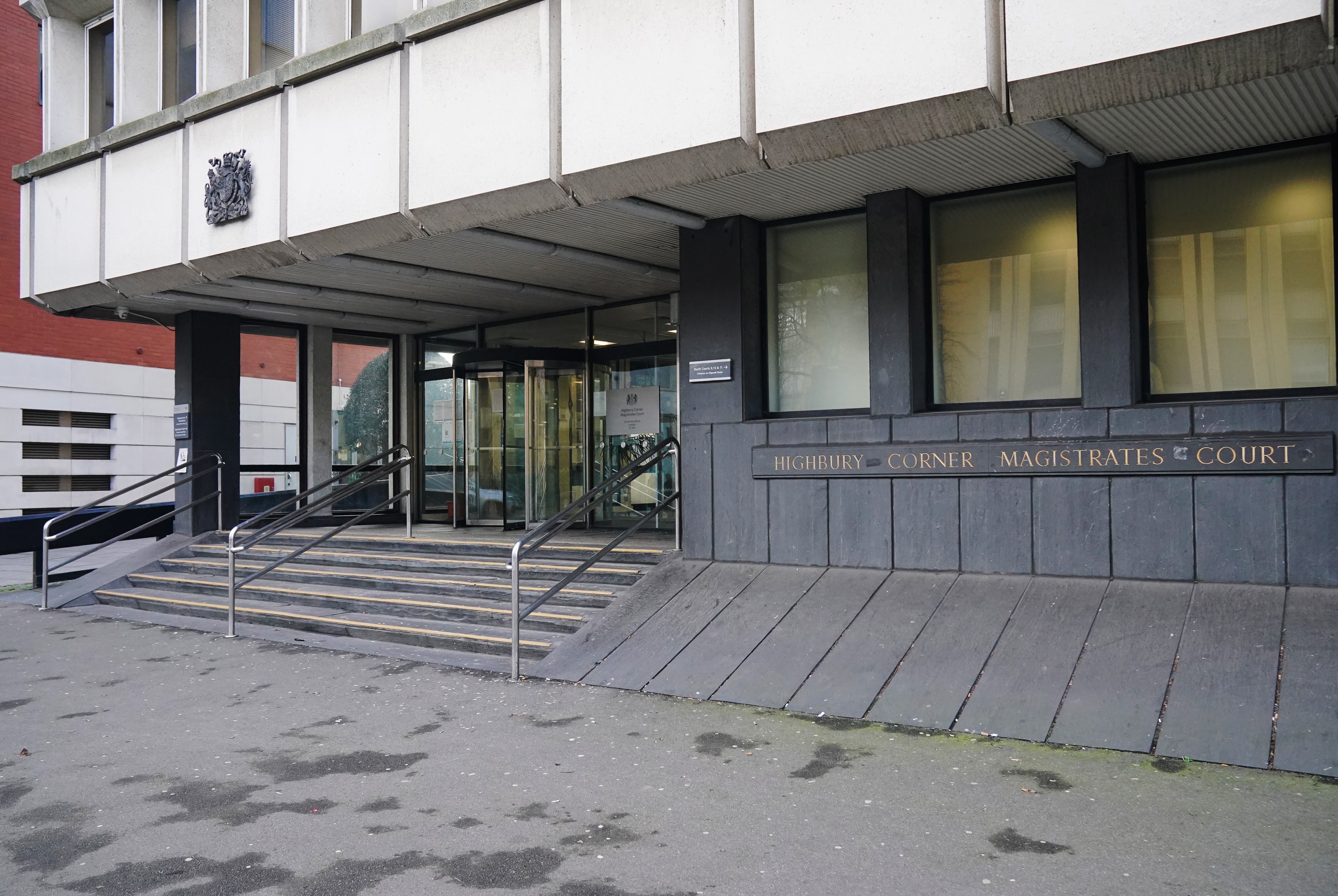
The recruitment drive comes as Andy Burnham’s government confirmed specialist courts to deal with rape and sexual offences will be rolled out across England and Wales.
Every Crown Court will have at least one courtroom dedicated to hearing such cases set up in the next two years, officials said.
Victims will be offered a private entrance and private waiting room to keep them away from the defendant, which they already have a right to request but currently depends upon availability.
Court staff will also be given “trauma-informed training” with a single person of contact assigned to each survivor as part of the package of measures are expected to cost around £23 million from the Ministry of Justice budget.
From October, trials will be given a fixed date rather than placed on floating lists in what the prime minister described as an effort to “rebalance the scales of justice and put victims first.”
KioskNews shows a cleaned-up reading view extracted from the publisher’s page — the original always lives on their site, not ours.