Younger teens face more social media stress than older teens, study finds
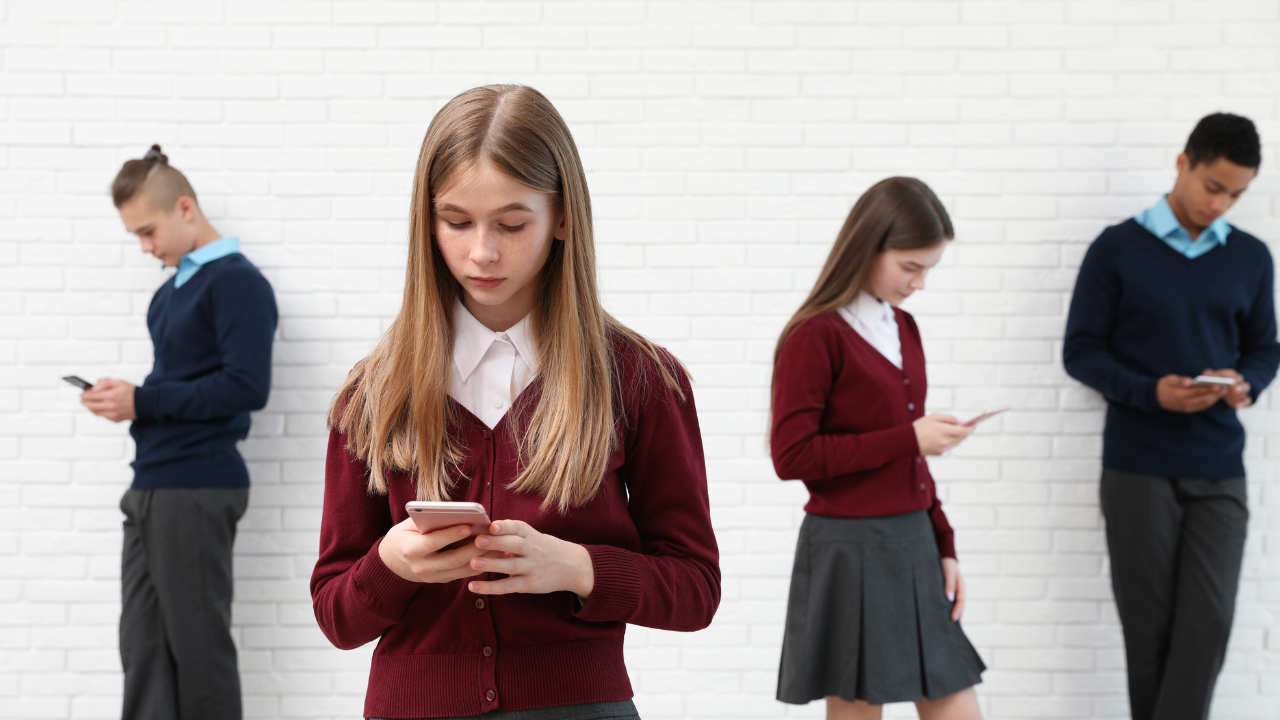
Photo: Canva
A 12-year-old checks their phone after school and finds that friends have shared photographs from a gathering they were not invited to. They scroll through the comments, notice how many likes a classmate's post has received and wonder why their own updates do not get the same attention.
Even when they put the phone away, they keep thinking about what is happening online.For many children entering their teenage years, social media is no longer just a place to watch videos or share photographs. It can also become a source of pressure to stay connected, keep up with friends and seek approval from others.A new study by the Postgraduate Institute of Medical Education and Research (PGIMER), Chandigarh, suggests that younger adolescents may be particularly vulnerable to these pressures.
Children aged 10-13 experienced more social media-related stress than teenagers aged 14-16, highlighting how the impact of digital platforms can differ even within the adolescent years.
52% of students reported digital stress
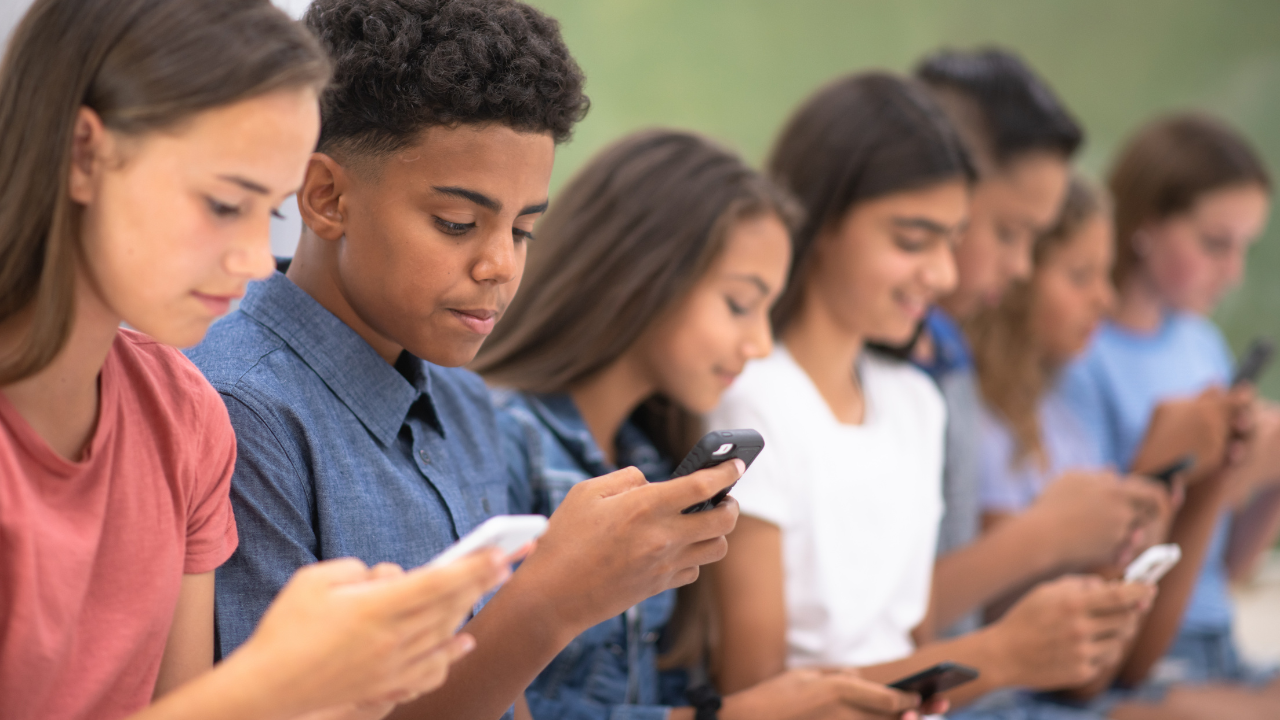
Photo: Canva
The study, titled Social Media Use and Digital Stress Among School Adolescents in North India surveyed 1,306 school-going adolescents aged 10–16 from government and private schools in urban Chandigarh and the rural Raipur Rani block of Panchkula district.Conducted between January and April 2026, the research involved teams from PGIMER's Department of Community Medicine and School of Public Health, and Department of Psychiatry.
The findings showed that 52% of the students experienced mild to severe digital stress. Children aged 10-13 were more vulnerable than those aged 14-16, among whom 48% reported digital stress.The younger group was also more likely to show problematic social media use. Around 20% of children aged 10-13 reported problematic use, compared with about 12% of those aged 14-16. The researchers also found that 32% of the students spent more than three hours a day on social media on weekdays.
What is making social media stressful for younger children?
Digital stress is not limited to the amount of time children spend looking at a screen. It can also come from the social expectations that develop around being online. The PGIMER study examined several sources of this stress, including pressure to remain available, anxiety about social approval, fear of missing out (FOMO), connection overload and constant online vigilance.A child may feel expected to respond to messages quickly, worry about being left out of a conversation or repeatedly check whether friends have reacted to a photograph.
Seeing other people's activities can also create the feeling that something important is happening without them.
More time online was associated with higher stress
Photo: Canva
The study also found an association between time spent on social media and digital stress. Among students who used social media for more than three hours daily, 64% reported digital stress on weekdays. The figure was 46% among those who spent less time on these platforms. On weekends, the corresponding figures were 60% and 43%.The researchers also found differences between urban and rural students. Moderate-to-severe digital stress was reported by 17% of urban adolescents, compared with 11% of rural adolescents. Girls reported higher moderate-to-severe stress related to pressure to remain available online than boys. Fear of missing out was also more frequently reported by girls and urban adolescents.Around 40% of the students were found to have internet dependency, which was closely linked to digital stress.
Why parents need to look beyond screen time
The findings suggest that simply counting the hours a child spends on a phone may not be enough to understand their online experience. Two children can spend the same amount of time on social media but respond to it differently. One may use it mainly for entertainment, while another may feel anxious about unanswered messages, online comparisons or being excluded from conversations.Parents can start by asking children what they do online and how certain interactions make them feel.
A child who repeatedly checks notifications, becomes upset after seeing friends' posts or feels compelled to respond immediately may need help setting healthier boundaries.It can also help to agree on phone-free periods, protect time for sleep and offline activities, and discuss why likes, comments and follower counts should not determine how children feel about themselves.The PGIMER findings are based on a cross-sectional survey, which captures information at one point in time.
They show an association between social media use and digital stress, but cannot establish that social media use alone caused the stress.Still, the difference between the two age groups is worth attention. As children begin navigating friendships and social approval online, they may need guidance not just on how long to use social media, but also on how to handle the pressures that come with being constantly connected.
KioskNews shows a cleaned-up reading view extracted from the publisher’s page — the original always lives on their site, not ours.