From Slim River to rugby weekends: How Kelapa gives fresh coconut water a semi-frozen twist
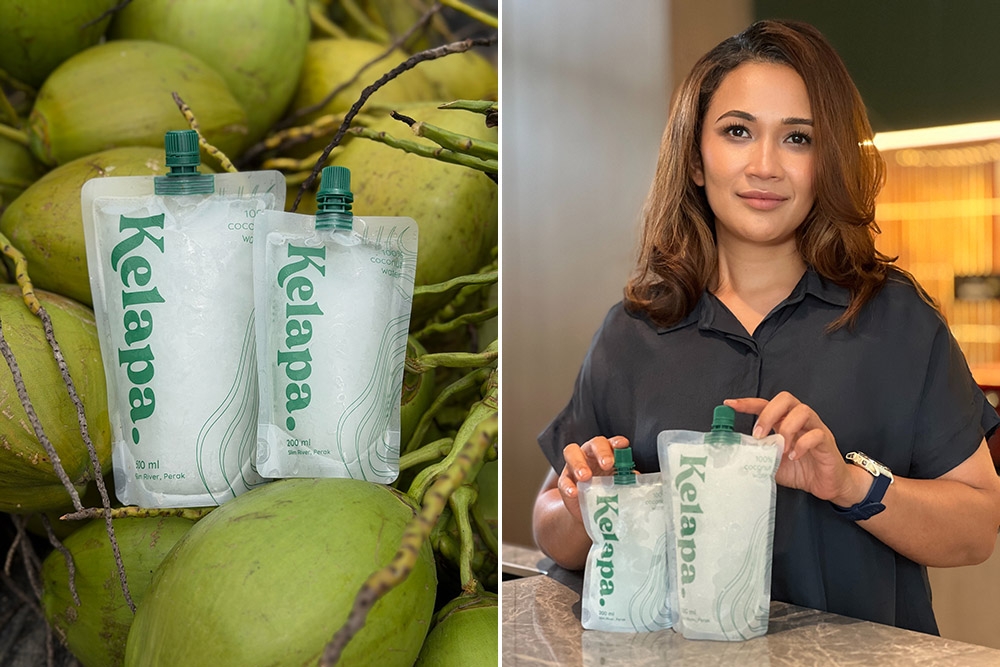

Rozaila Zakaria, the founder of Kelapa, a single-origin, frozen fresh coconut water brand. — Pictures courtesy of Kelapa
First Published: Saturday, 31 Oct 2026 9:12 AM MYT
KUALA LUMPUR, Oct 31 — Any entrepreneur would tell you that they often chance upon the idea for their business while engaging in the most mundane, daily activities.
For Rozaila Zakaria, the founder of Kelapa, a single-origin, frozen fresh coconut water brand, that idea arose when she was spending time with her loved ones outdoors.
She explains, “My family spends a lot of weekends at rugby tournaments, so I’ve spent countless hours standing under the Malaysian sun, cheering from the sidelines.”
Watching family members play, Rozaila started thinking about “how nice it would be to have something naturally refreshing and convenient during these outdoor activities.”
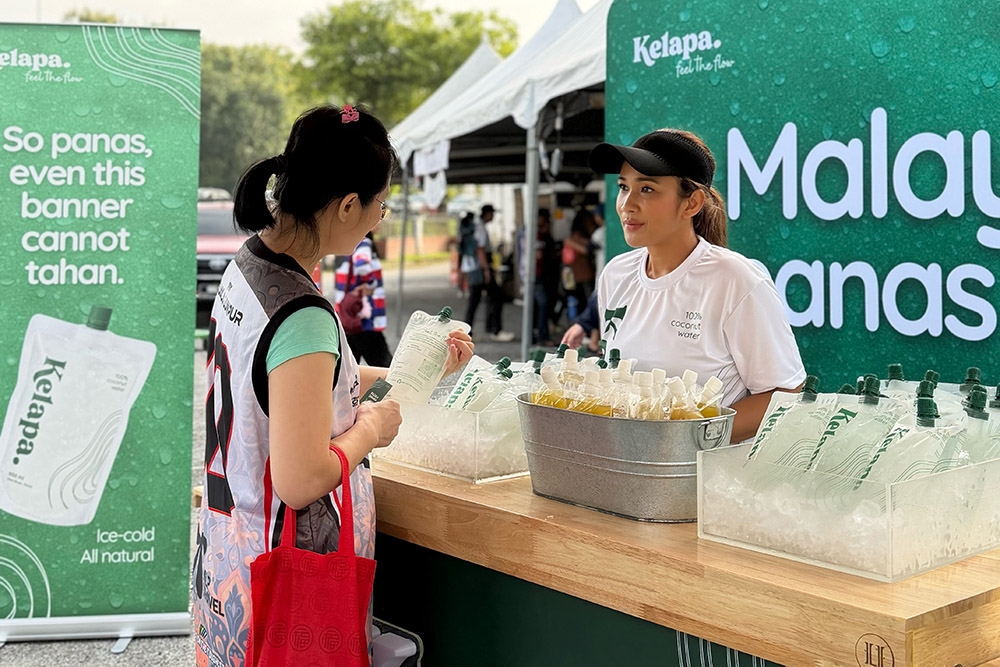
Rozaila got the idea for Kelapa during hours spent outdoors supporting her family at rugby tournaments. — Picture courtesy of Kelapa
Fresh coconut water was already a favourite, so when an acquaintance introduced her to a coconut estate in Slim River, Perak, she began exploring the idea.
The result is Kelapa (“coconut” in Malay), which sells coconut water in frozen 500-millilitres pouches.
Rozaila’s choice of coconut variety is central to what Kelapa offers. The coconuts come from a family-owned estate in Slim River, where the growers cultivate Sampoorna, a hybrid variety with origins in Kerala, India.
For Kelapa, branding their product as single-origin signifies the coconut water comes from one estate rather than being sourced from multiple farms.
As Rozaila explains, “Single-origin doesn’t automatically mean one coconut is better than another but it gives us traceability and a foundation for maintaining our product standards.”
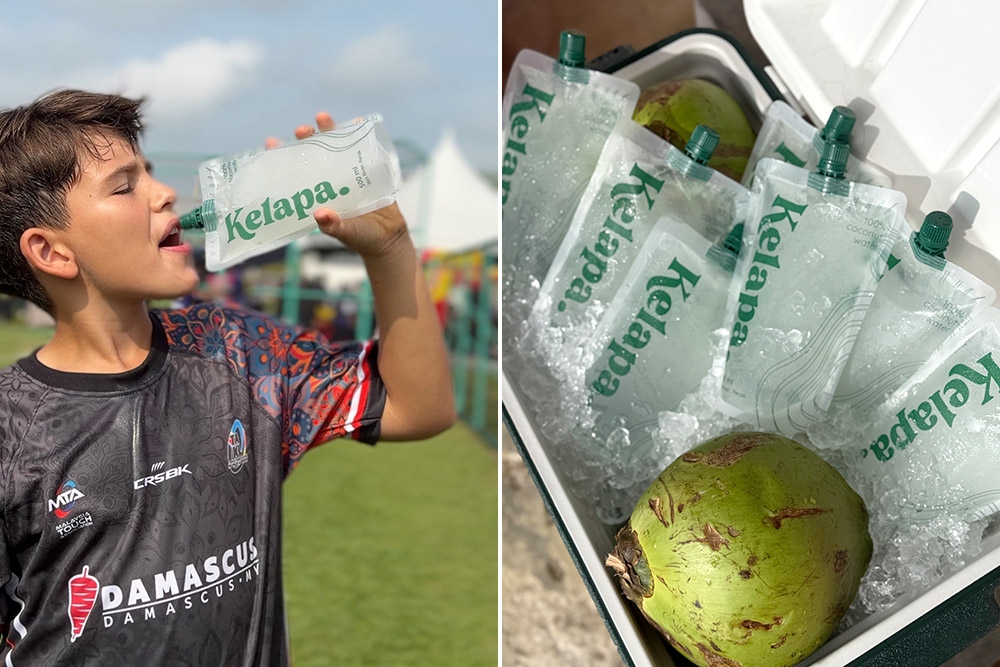
Kelapa sells coconut water in frozen 500-millilitre pouches. — Pictures courtesy of Kelapa
The variety also has its own flavour profile. For Rozaila, the appeal of Sampoorna lies in its balance: “It’s light, naturally sweet and refreshing without being too rich or overpowering.”
She adds, “Unlike pandan coconut water, which is known for its more distinctive aroma, Sampoorna has a clean, familiar coconut taste.”
Of course, because coconut water is a natural product, “its flavour and sweetness can vary from harvest to harvest.”
After harvesting, the coconut water is extracted and frozen shortly afterwards. Freezing was initially a way to preserve the coconut water without heat treatment or added preservatives, but it has since become part of how Kelapa is enjoyed.
“With Kelapa, we wanted to turn that frozen format into part of the drinking experience itself,” says Rozaila. “Instead of waiting for the coconut water to thaw completely, we encourage customers to enjoy it semi-frozen, almost like a natural coconut slushie.”
The instructions “Press. Loosen. Sip” have become a small ritual for the brand.
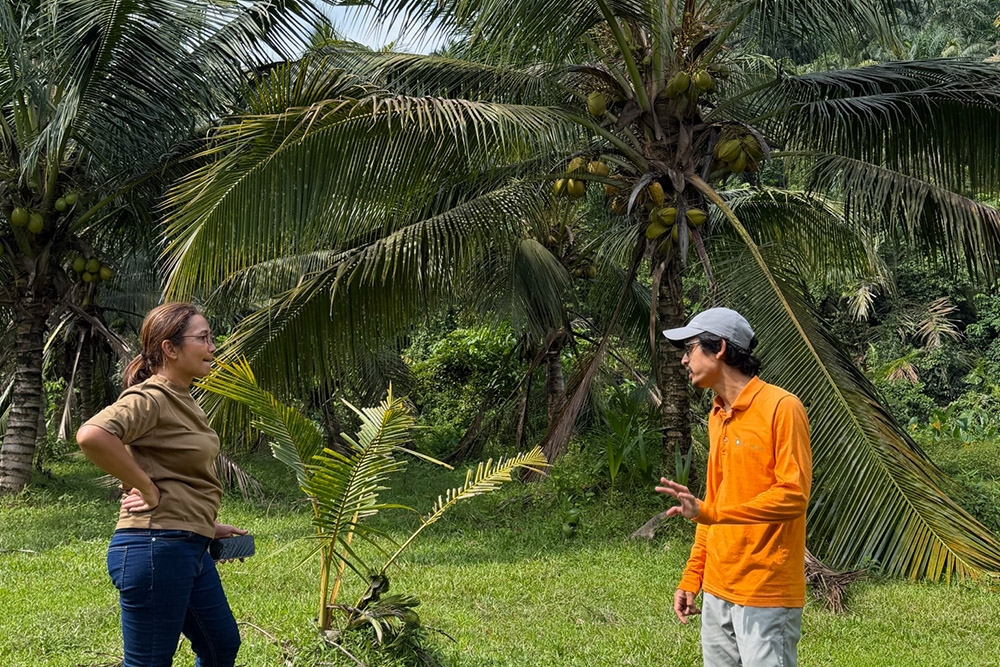
4. The coconuts come from a family-owned estate in Slim River—Picture courtesy of Kelapa
“Let the pouch soften slightly, press it to loosen the icy coconut water and sip straight from the pouch. The pouch isn’t just packaging. It’s part of how you experience Kelapa.”
The frozen format also means customers can keep Kelapa in their freezers, ready to thaw and enjoy whenever they want.
Rozaila acknowledges nothing quite replaces drinking coconut water straight from a freshly opened coconut; Kelapa simply offers a different way to enjoy it.
This also becomes a useful conversation starter when she takes Kelapa to markets and community events. The frozen format can puzzle first-time buyers, many of whom need an explanation before they know what to do with the pouch.
Kelapa initially found its customers at rugby tournaments, before appearing at weekend markets, wellness events and other gatherings around the Klang Valley.
For Rozaila, these events offer something that online orders alone cannot: “This is probably my favourite part of running Kelapa because I genuinely enjoy meeting people.”
Feedback from these encounters can inform decisions about packaging and product sizes. But it is the customers who return that Rozaila finds particularly encouraging.
She shares, “What makes me happiest is when customers recognise Kelapa or come back to buy more. For a small brand like ours, those little moments mean a lot.”
Rozaila admits Kelapa has been a departure from her professional background. She studied Computer Science before moving into retail and corporate sales, spending more than 20 years in the two fields.
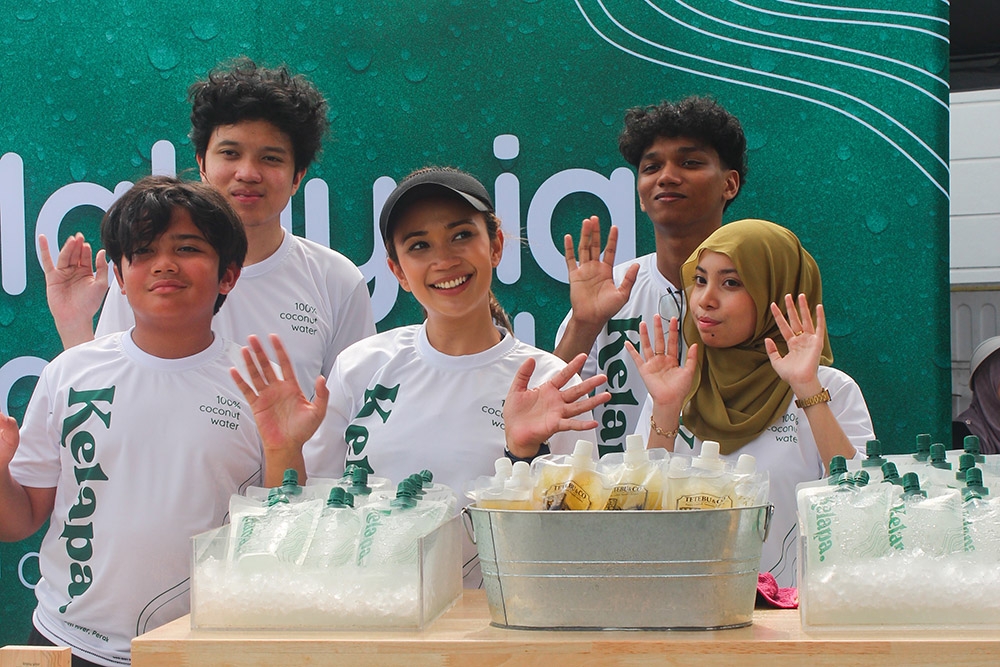
Kelapa found its early customers at rugby tournaments, weekend markets and other events around the Klang Valley. — Picture courtesy of Kelapa
“I’ve always been interested in entrepreneurship, and at this stage of my life, I wanted to try something different.”
Her sales experience has proved useful, but running Kelapa involves much more than meeting customers and making sales. Sourcing, processing, packaging, storage and delivery all have to be coordinated, with the added complication of keeping the product frozen.
“I think the biggest surprise was realising how much work goes on behind the scenes.”
It has been a learning process, particularly when it comes to selling at events. Weather, haze and logistical problems can disrupt a weekend, while sales vary from one event to the next.
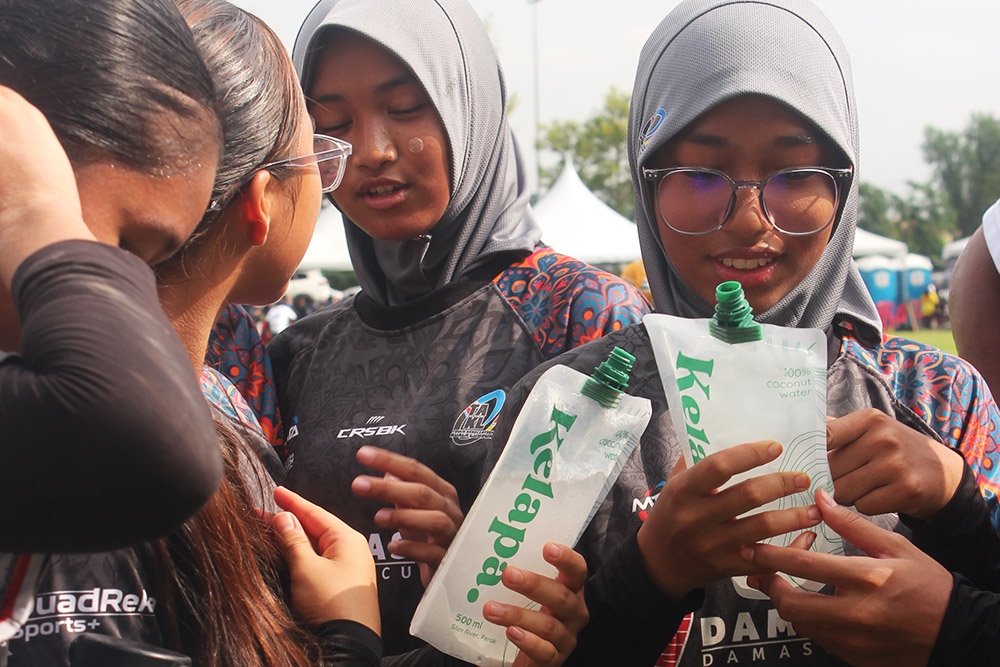
Feedback from customers can inform decisions about packaging and product sizes. — Picture courtesy of Kelapa
“Coming from a corporate background, I was used to planning and working towards targets. But running Kelapa has taught me to be more flexible and adapt when things change.”
She adds, “I wouldn’t say I’ve overcome every challenge. We’re still learning and figuring things out as we go.”
Looking ahead, Rozaila is considering how to reach customers beyond the weekend market circuit. Retail partnerships and different product sizes are among the possibilities, although she is wary of expanding faster than the business can manage.
She says, “I have plenty of ideas, sometimes probably too many! But for now, I want to focus on building a stronger foundation for Kelapa.”
Right now, that means continuing to develop a business that can sustain itself as it reaches more people.
Rozaila hopes Kelapa will eventually become a familiar Malaysian brand: “Something people naturally reach for after a workout, at a rugby tournament or simply when they want a little refreshment.”
Learn more about Kelapa at kelapa.flow
For more food fables and café chronicles, visit Life for Beginners.
KioskNews shows a cleaned-up reading view extracted from the publisher’s page — the original always lives on their site, not ours.