Kids' repeated online exposure to school violence magnifies fear, confusion --NCMH
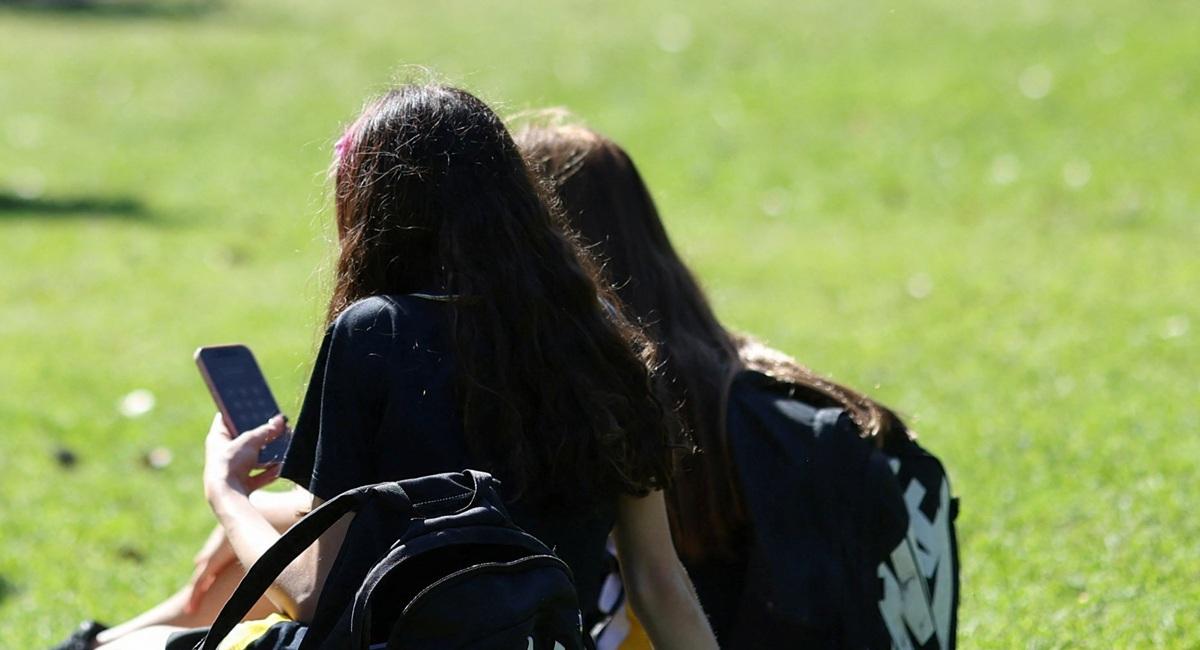
Following the latest fatal school shooting incident in Banga, South Cotabato, authorities warned the public about the risks associated with young people repeatedly viewing violent online content about school shootings.
The National Center for Mental Health (NCMH) emphasized on Monday that while social media plays an important role in disseminating information, excessive availability of graphic content on school violence, especially misinformation, can harm students, even those who did not experience the event firsthand.
“Social media can help disseminate information… However, social media can also magnify. Napapalala niya ‘yung fear, ‘yung confusion, and ‘yung emotional distress, especially when young people are repeatedly exposed,” NCMH Medical Center Chief Dr. Noel Reyes said on Bagong Pilipinas Ngayon.
(Social media can help disseminate information… However, social media can also magnify things. It worsens fear, confusion, and emotional distress, especially when young people are repeatedly exposed.)
“Lalong-lalo na ngayon ‘yung graphic video, photographs, ‘yung mga opinyon ng iba, speculations, and unverified reports,” he added.
(Especially nowadays with graphic videos, photographs, opinions of others, speculations, and unverified reports.)
Reyes said prolonged consumption of content related to school violence could foster a sense of ongoing threat that may trigger anxiety or intrusive memories in children.
“Even if the child is not present during the incident, repeated exposure may make that a threat. Parang ongoing pa [sa kaniya] ‘yung threat kasi parati siyang exposed doon. They may contribute to anxieties, sleep difficulty, and intrusive memories,” Reyes said.
(Even if a child was not present during the incident, repeated exposure can cause them to perceive it as an active threat. It feels as if the threat is still ongoing because they are constantly exposed to it. This can contribute to anxiety, sleep difficulties, and intrusive memories.)
The NCMH emphasized the importance of close parental monitoring and guidance, especially for children who spend significant time online.
Reyes advised parents to consider setting limits not only on screen time or internet access, but also on the platforms their children visit, engage with, and the content they consume.
He added that adults should be ready and willing to address questions or content that requires parental intervention, which includes explaining right from wrong and reporting harmful online content.
Preventive measures
According to the NCMH, while mental health literacy among Filipinos has noticeably increased, broader mental health promotion needs further reinforcement.
The agency pointed out that student-initiated school violence should not merely be addressed after a crisis occurs, but prevented beforehand by establishing a whole-of-community mental health support system.
“Unang-una po… there should be a mental health promotion for all students. This includes [having] a safe and nurturing school environment, school emotional learning, sustained anti-bullying programs, ‘yung mga responsible digital citizenship po, ‘yung mga parent education and training,” Reyes said.
(First and foremost… there should be mental health promotion for all students. This includes fostering a safe and nurturing school environment, social-emotional learning, sustained anti-bullying programs, responsible digital citizenship, and parent education and training.)
To promote mental health, the NCMH stated it is willing to launch school caravans to help expand mental health awareness and literacy across academic institutions.
Reyes noted that Filipinos are sometimes deterred from seeking help due to the stigma surrounding mental health in the country, which is often tied to shame.
“Sometimes kasi napipigilan ang pag-seek ng intervention because of stigma. Base po sa ating kultura na tinitignan po talaga nating mga kapwa Pilipino na ang karamdaman sa pag-iisip o kaguluhan sa pag-iisip ay senyales po ng kahinaan or kaya nagdudulot po sa kanila ng shame,” Reyes said.
(Sometimes, seeking intervention is hindered by stigma. Culturally, many Filipinos still view mental illness or psychological distress as a sign of weakness, or something that brings shame.)
“Hindi po ganon ang mental illness. Agaran po natin dapat tanggalin ang stigma upang ang intervention ay right time,” he added.
(Mental illness is not like that. We must immediately eliminate this stigma so that intervention occurs at the right time.)
In addition to the early identification of students in need of mental health assistance, the NCMH stated that schools must provide targeted support for these students.
This includes ensuring access to school counselors or caregivers, establishing preventive wellness programs, and maintaining partnerships with mental health institutions or referral centers.
The NCMH encourages individuals who need mental health support to call its 24/7 crisis hotlines (1553 or 0919-057-1553) or avail free online psychosocial support by scheduling sessions at www.ncmhusaptayo.com.
Parents, teachers, and peers are encouraged to closely monitor children and friends for significant physical and emotional behavioral changes that may signal emotional distress.
Emotional and physical red flags in children experiencing distress may include intense fear of school, nightmares, and stress-induced symptoms like headaches, tremors, or cold extremities.
Meanwhile, more severe indicators could include expressions of hopelessness, alcohol abuse, or self-harm, which all signal a critical need for immediate parental and professional intervention. — BM, GMA News
KioskNews shows a cleaned-up reading view extracted from the publisher’s page — the original always lives on their site, not ours.