Inside Thailand’s bid to wire the world’s AI revolution
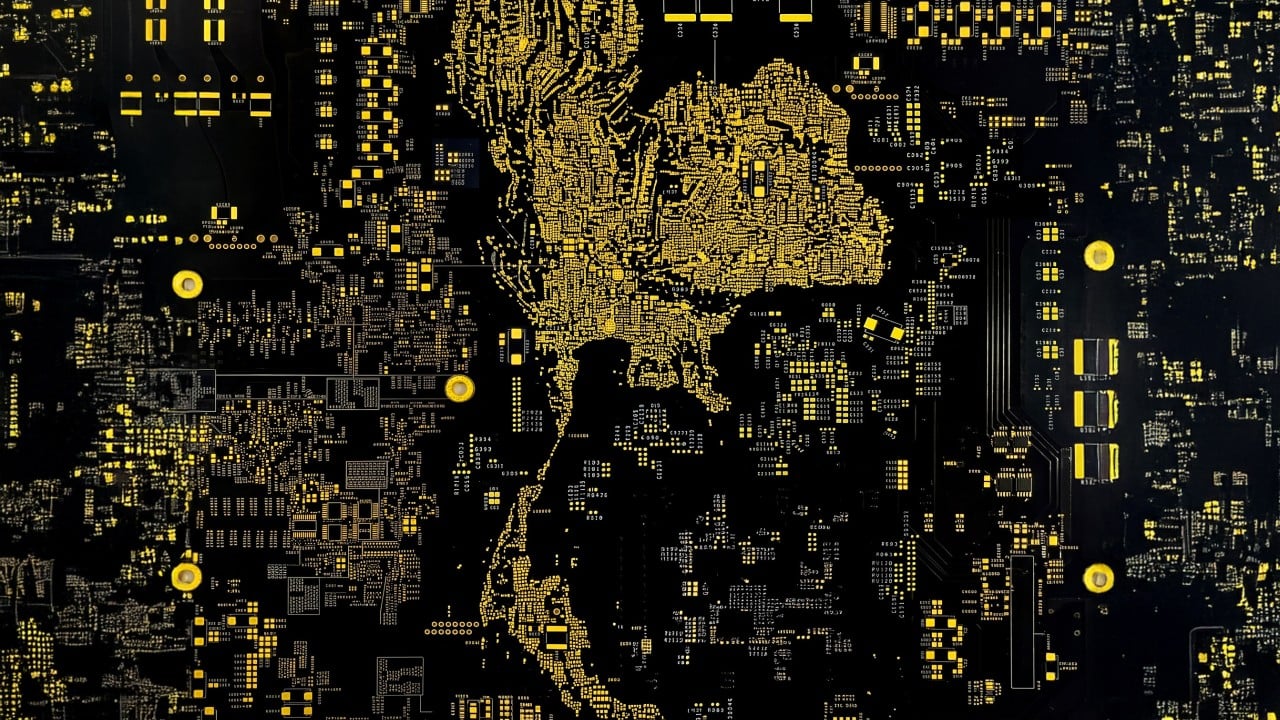
In the rush to build an AI future, semiconductors are the silicon rock stars that soak up all the applause. Yet behind the curtain, an unglamorous stagehand is doing much of the heavy lifting.
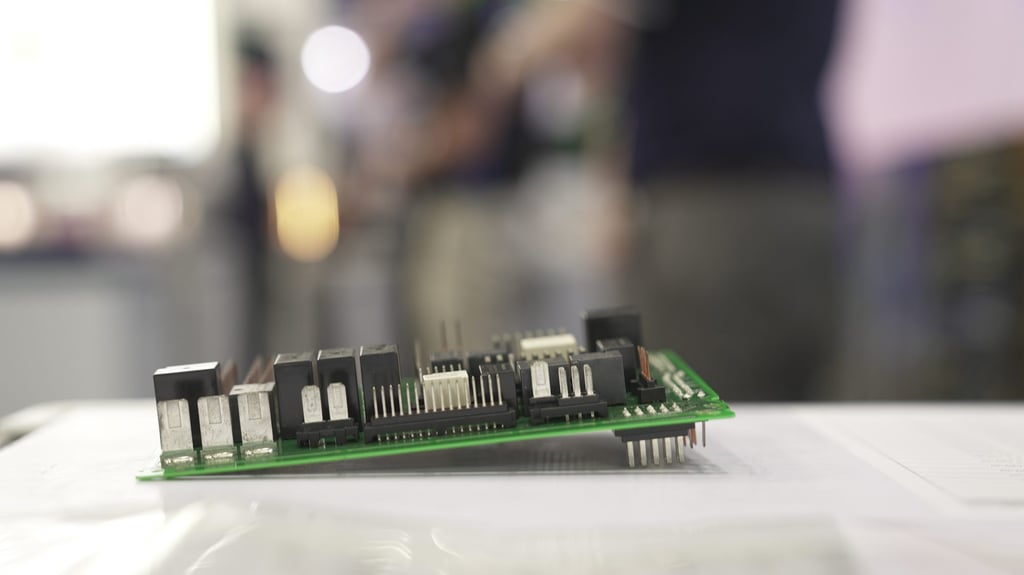
Printed circuit boards (PCBs) are the copper-laced panels inside every mobile phone, car key fob, digital camera and data-centre server rack on Earth. Without them, even the most advanced AI chip would be useless, unable to process even a single line of code.
This year alone, more than 1 million square metres (10.8 million sq ft) of PCBs will roll out of WellTek Electronics’ factory in Ayutthaya – just one company’s contribution to Thailand’s scramble for an edge in the global tech supply chain.
“They are essential to our daily life. They are in all electronics you are using,” said WellTek founder Jennifer Deng, who established the Thai subsidiary of her China-based Jiangxi Welgao Electronics in Ayutthaya two years ago.
Thailand is now Southeast Asia’s No 1 producer of PCBs – often described as the nervous system of modern electronics, channelling essential signals through increasingly complex arrays of semiconductors, resistors and capacitors – and the fifth largest in the world.
Deng’s US$75 million WellTek plant, built in under a year, is the first of two planned for Ayutthaya, a major Thai industrial zone once dominated by Japanese carmakers and global electronics giants, now being rewired for the artificial intelligence age.
KioskNews shows a cleaned-up reading view extracted from the publisher’s page — the original always lives on their site, not ours.