3 Things That You Can See Everything Leaves Out About Elizabeth Holmes

Josh is a film critic and journalist with over nine years of experience in the entertainment industry. Entering the field at just 17 years old, Josh went on to make his own website, The HoloFiles, and social media brand Star Wars Holocron, the most followed Star Wars fan account on Twitter/X.
A member of both the Chicago Indie Critics and the Hollywood Critics Alliance, Josh has covered major industry events including Star Wars Celebration and, most recently, CinemaCon for ScreenRant. His work has appeared in outlets such as Game Rant and Comic Book Resources (CBR), and he has been featured in publications including the BBC and The New York Times.
Nathan Fielder and Lance Oppenheim’s new documentary You Can See Everything is now in theaters, and has made quite a splash since its debut last week. The film made over $15 million at the domestic box office in its opening weekend, which is the strongest start for a non-musical documentary since 2004.
Reviews have been similarly impressive, too. You Can See Everything currently sits at 97% on Rotten Tomatoes with both critics and audiences, highlighting the strong positive reaction that viewers have had about the film since it released. In fact, the reaction has been so strong that You Can See Everything is now being tipped for several awards nominations in the new year, including a potential Best Picture nod at the Academy Awards.
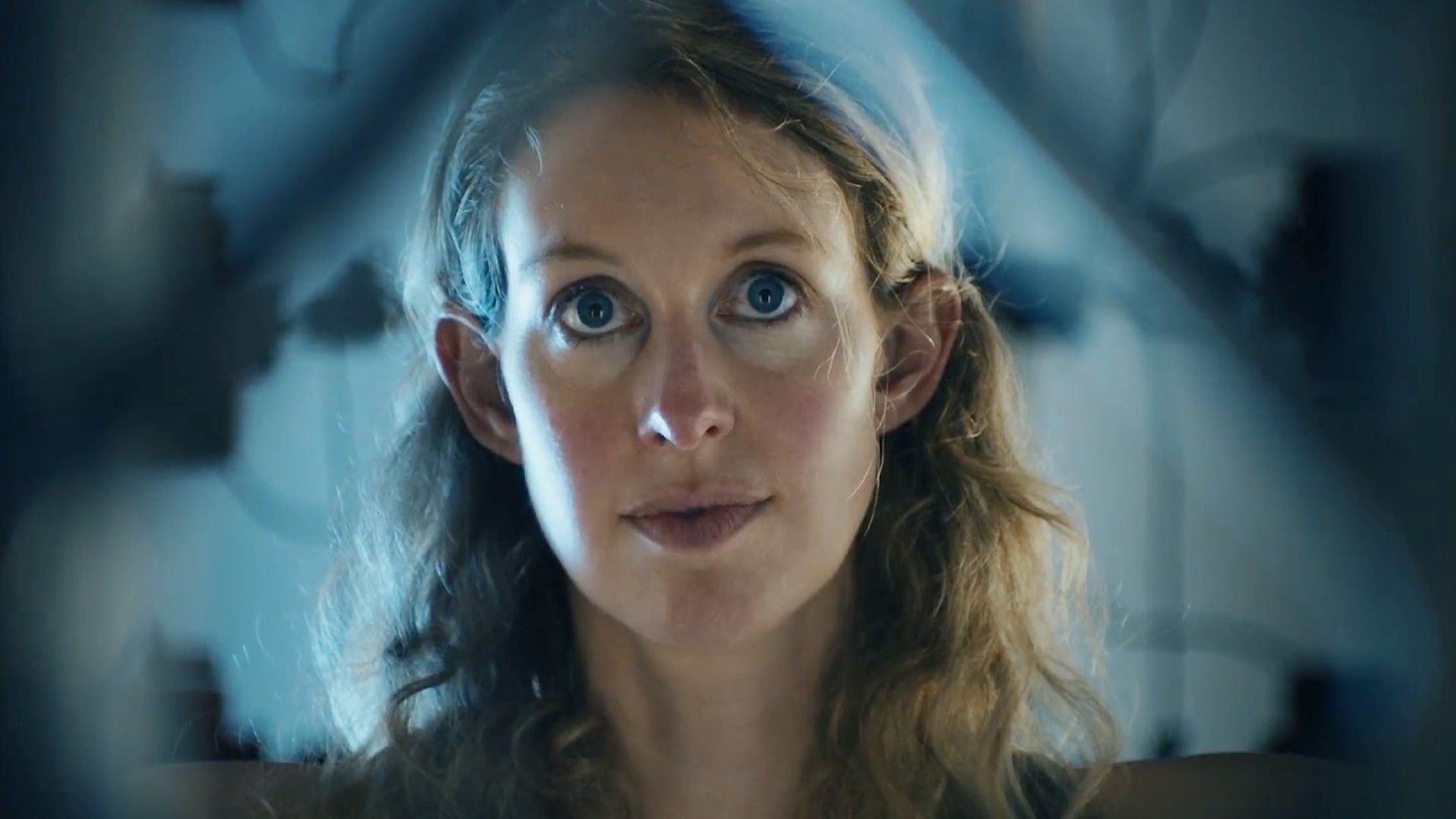
A big part of why You Can See Everything excels so much is the unique way it portrays Elizabeth Holmes. As the documentary’s main subject, Holmes is the glue that holds everything together. It’s because of this that her time in jail, which starts roughly halfway through the film, complicates matters so much. Fielder and Oppenheim found unique ways to keep Holmes the central piece of the story, even as she wasn’t physically present. One of these ways is the introduction of Amanda Seyfried into the story, which allows for Fielder and Oppenheim to not only have an outside perspective on Holmes, but also gives them an opportunity for reenactments of key scenes not caught on camera.
Overall, Fielder and Oppenheim created a full picture of Elizabeth Holmes in the documentary. She is portrayed as a caring mother and partner, yet also someone who is clearly holding back in certain areas, and is unwilling to be completely honest and truthful. Yet, despite this, there are some key points about Elizabeth Holmes that the documentary doesn't talk about.
Theranos Employees Described Holmes As A “Bully”

While in charge at Theranos, Elizabeth Holmes ruled over hundreds of employees, that included scientists, advertisers, and more. Many of those former employees have gone on the record to share their experiences at the company and the Elizabeth Holmes they knew and interacted with, and, crucially, most of these people describe their time at Theranos as extremely negative.
For example, Rochelle Gibbons, wife of Theranos scientist Ian Gibbons, went on the record on behalf of her husband to discuss his time working with Holmes. Rochelle stated that her partner was far from fond of Holmes, and frequently came home describing her as a “bully” who made him and others “feel bad all the time.”
The Gibbons’ account is indicative of a broader negative culture at Theranos that has been described by former employees, all of whom credit Holmes as the one who established the culture at the company. Many described Holmes as defiant in her views, so much so that she was completely unwilling to hear differing opinions and was cruel to those who did speak up.
Elizabeth Holmes Previously Denied Wanting To Go Back Into The Medical Technology Field

Interestingly, another aspect of Elizabeth Holmes’ life that You Can See Everything fails to mention is regarding the returning ambition of its main subject. After being charged with fraud, and during her trial, Elizabeth Holmes was adamant that she wasn’t interested in returning to the medical technology field. She made it clear during the trial and while speaking with the media that her time at Theranos was enough, and that she had no plans to return.
Yet, all of this is contradicted in the opening minutes of You Can See Everything. Almost immediately in the film, Holmes’ partner, Billy, talks about their new startup company. The two are seen in several business meetings throughout the first half of the film, too, but the filmmakers don’t touch on the contradiction between this and what Elizabeth Holmes told the public in the past.
Accusations Of Delaying Her Trial

Elizabeth Holmes’ trial was mentioned only a couple of times in You Can See Everything, and it’s mostly discussed in passing. There is, however, an intriguing aspect of Holmes’ trial that is looked over in the new film, and it’s related to her youngest child. Just before Holmes’ trial was set to begin, she announced her pregnancy with her second child, which delayed the hearings by months.
Holmes was directly accused of planning this pregnancy on purpose as a means to delay her trial; not only that, but some involved with the trial also stated their belief that Holmes had a second child in an attempt to get a lighter sentence from the judge.

- Release Date
- October 16, 2026
- Runtime
- 174 minutes
- Director
- Nathan Fielder, Lance Oppenheim
- Producers
- Tatiana Bears, Maggie Ambrose, Jack Davis, Nathan Fielder, Lance Oppenheim
KioskNews shows a cleaned-up reading view extracted from the publisher’s page — the original always lives on their site, not ours.