Old US warship blown up off coast of Scotland
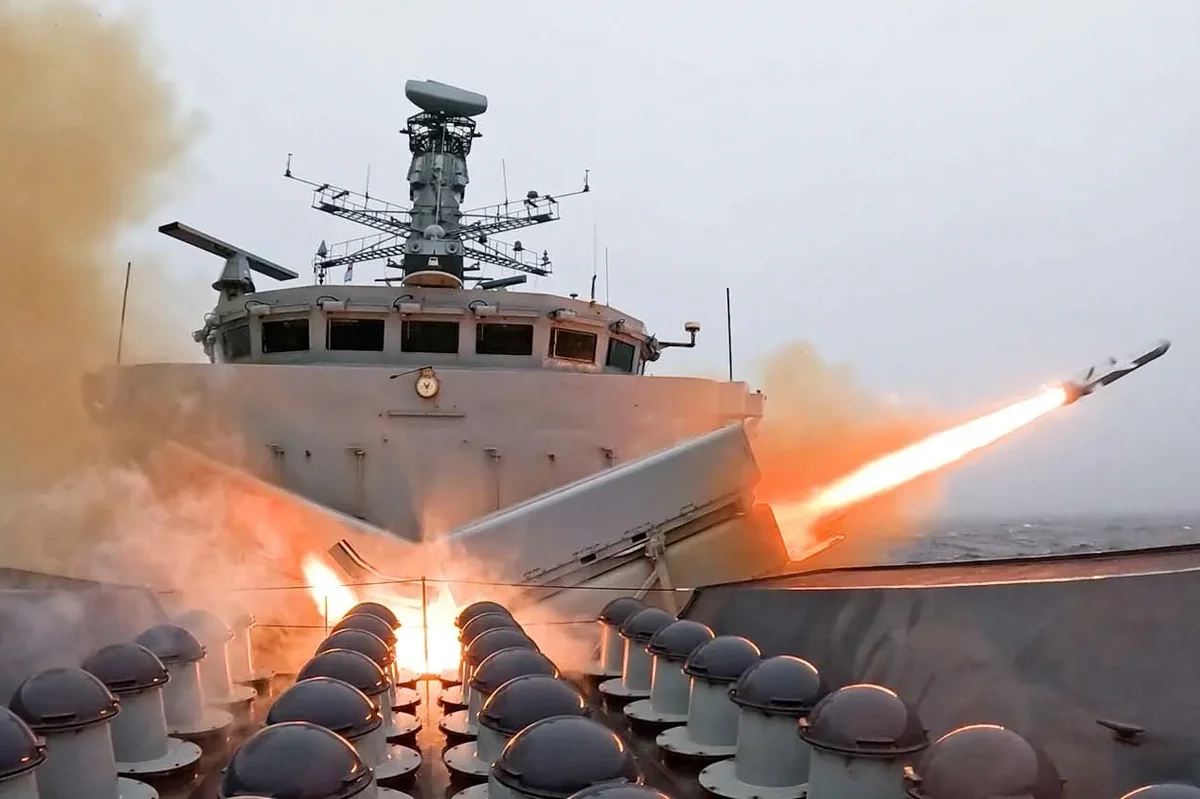
A decommissioned US warship has been blown up off the coast of Scotland in a joint naval exercise.
The sinking of USS Klarkring was conducted by both UK and US armed forces about 170 miles from the Outer Hebrides as part of Exercise Atlantic Thunder 2026.
The ship, which has not been in active service since 2013, was hit by missiles from USS Paul Ignatius and a torpedo from USS Massachusetts, while the UK’s Royal Navy tested “ship-busting” weapons.
This included the HMS Portland, a Type 23 frigate, firing a Naval Sea Missile (NSM) – an advanced sea-skimming weapon that can travel close to supersonic speeds and hit a target more than 100 miles away.
The exercise was also the first time a Wildcat helicopter has fired Sea Venom missiles at a realistic target.
US captain Kelechi Ndukwe, commander of Task Force 65, said: "Atlantic Thunder demonstrates the unmatched lethality and interoperability of the United States and United Kingdom.
"This sinking exercise not only validated the power behind US-UK offensive weapons but delivers a clear message to adversaries that the US Navy and Royal Navy remain a ready allied force."
The US Navy said that the ship had undergone a “rigorous cleaning process” to ensure it aligned with the Ministry of Defence’s environmental policy.
Personnel also checked for the presence of whales and dolphins before the exercises began and to “reduce the overall risk of inadvertent impact to the marine environment”.
USS Klakrig entered service in 1983 as a guided missile frigate and was decommissioned 30 years later.
It was named after Rear Admiral Thomas B Klakring, a decorated commander of a submarine during Second World War who was awarded three US Navy Crosses.
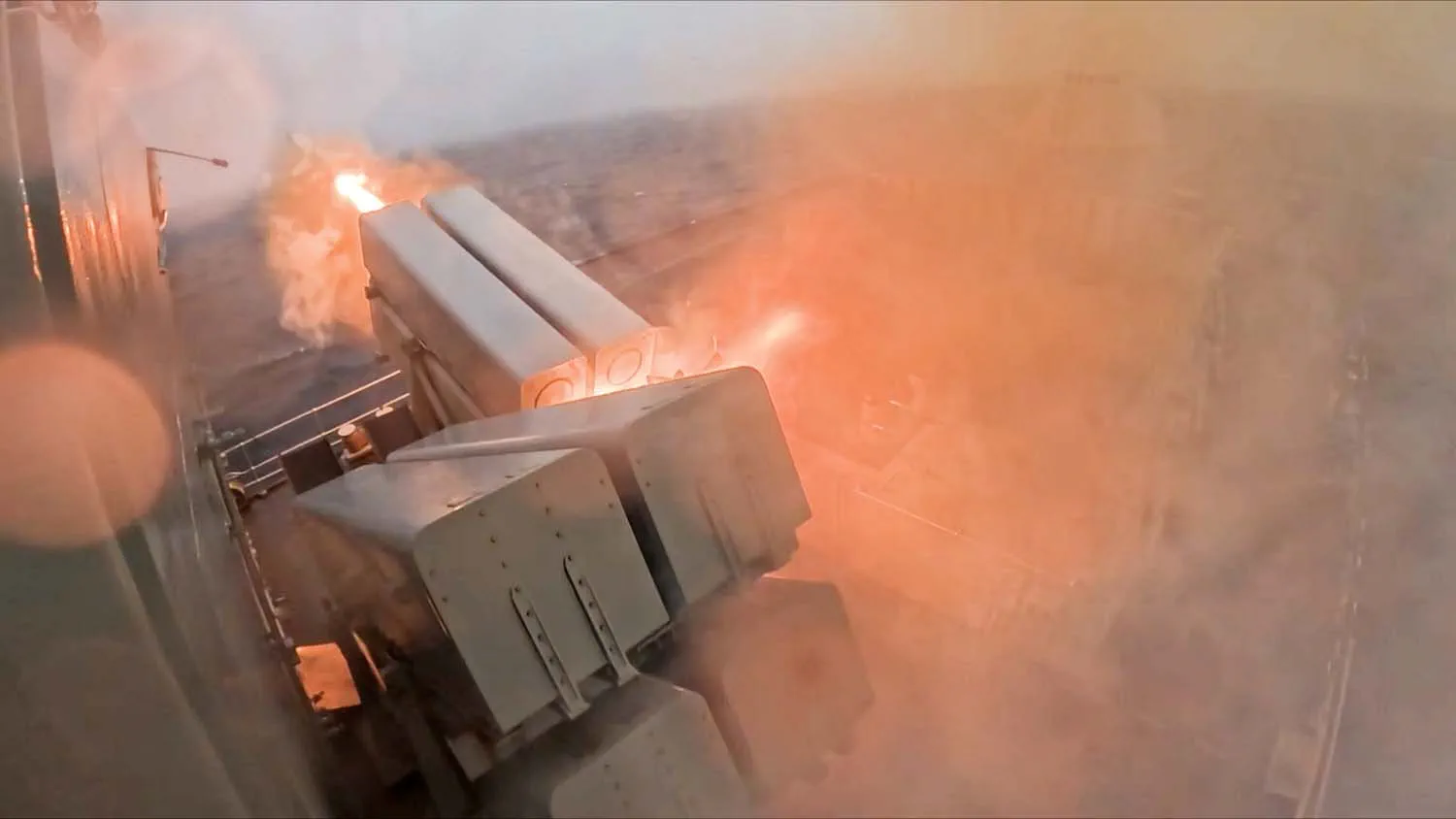
Commander Paul Meigh of the Royal Navy said the exercise was “designed to demonstrate and train our lethality against surface platforms in the North Atlantic theatre”.
He told the UK Defence Journal: “The seas are rough, the winds are strong. There’s no shelter.
“Clearly, that’s useful for a safety consideration, but it makes employing force difficult, and that’s partly why we do it, because this is potentially a battle space that we will need to fight in in the future, and we need to understand how we achieve that quickly and deliver force where necessary.”
Commander Dafydd Bryden, Commanding Officer of HMS Portland added: “The opportunity to fire anti-ship missiles against a decommissioned warship is an important test of our warfighting capability. This engagement proved the effectiveness of these systems as well as the sailors and aircrew who operate them. We remain ready to fight and win at sea.”
KioskNews shows a cleaned-up reading view extracted from the publisher’s page — the original always lives on their site, not ours.