7 Perfect Movie Masterpieces That Are Even Better Than Citizen Kane

August is a freelance film writer. She studied journalism and cinema at American University. She is a member of the journalism honor society, Kappa Tau Alpha. August has written for various networks and publications, including PBS, Gargoyle Magazine, TheThings, and Identity Theory Magazine. Before returning to entertainment writing, August worked in the Automotive section of U.S. News & World Report. In her free time, August enjoys watching movies in theaters, watching movies at home, listening to podcasts about movies, reading books about movies, watching video essays on movies, talking about movies, thinking about movies, and doing crosswords.
Orson Welles made one of the best movies of all time in his directorial debut, at just 25 years old. Citizen Kane (1941) innovated cinematic storytelling in the 20th century and is regarded as the pinnacle of filmmaking. It topped the film critics’ Sight and Sound Greatest Films of All Time poll for 40 years, and continues to influence filmmakers today (via BFI).
The groundbreaking film reimagines the rise and fall of newspaper tycoon William Randolph Hearst, with Welles in the central role. Citizen Kane is both innovative and timeless. It explores the evergreen themes of absolute power’s corrupting effects, perfectly capturing the American capitalist. Simultaneously, it changes the game in terms of cinematic form.
With Citizen Kane, a young and ambitious Welles expands the potential of sound-era filmmaking and ushers in the modern-day drama. In seamlessly weaving together visual and narrative filmmaking, he proves that the film form itself can act as another character. The narrative is structured non-chronologically, and the cinematography uses deep-focus photography and abstract angles.
Citizen Kane’s legacy cannot be tarnished. Still, there are other films that can comfortably contend with Welles’s classic for the title of the best film ever made. The Goldfather (1972) and Parasite (2019) are among features that arguably achieve the quality of Welles' biggest hit. Before these two films arrived, though, seven other perfect films had already tested Kane's legacy.
M (1931)

This masterful murder mystery is credited with pioneering the crime film genre. In his first talkie, Austrian director Fritz Lang utilizes sound and image to build dread and suspense to a breaking point. The chilling tale depicts a Berlin community’s response when a serial killer threatens the lives of their children. The piece is at once a commentary on public hysteria and societal pockets of power and a gripping psychological thriller.
The slow reveal of the central killer is a cinematic masterclass. An eerie off-camera whistle is the first sign that the killer is near. Before he is seen in the flesh, we see only his shadow cast against a wanted poster for the killer, as he speaks with a young girl.
M remains the pinnacle of the murder mystery subgenre, 95 years after its release. It also launched legendary actor Peter Lorre (Casablanca) into a long and storied career playing unsettling characters. As of writing, M is available to stream on HBO Max
12 Angry Men (1957)
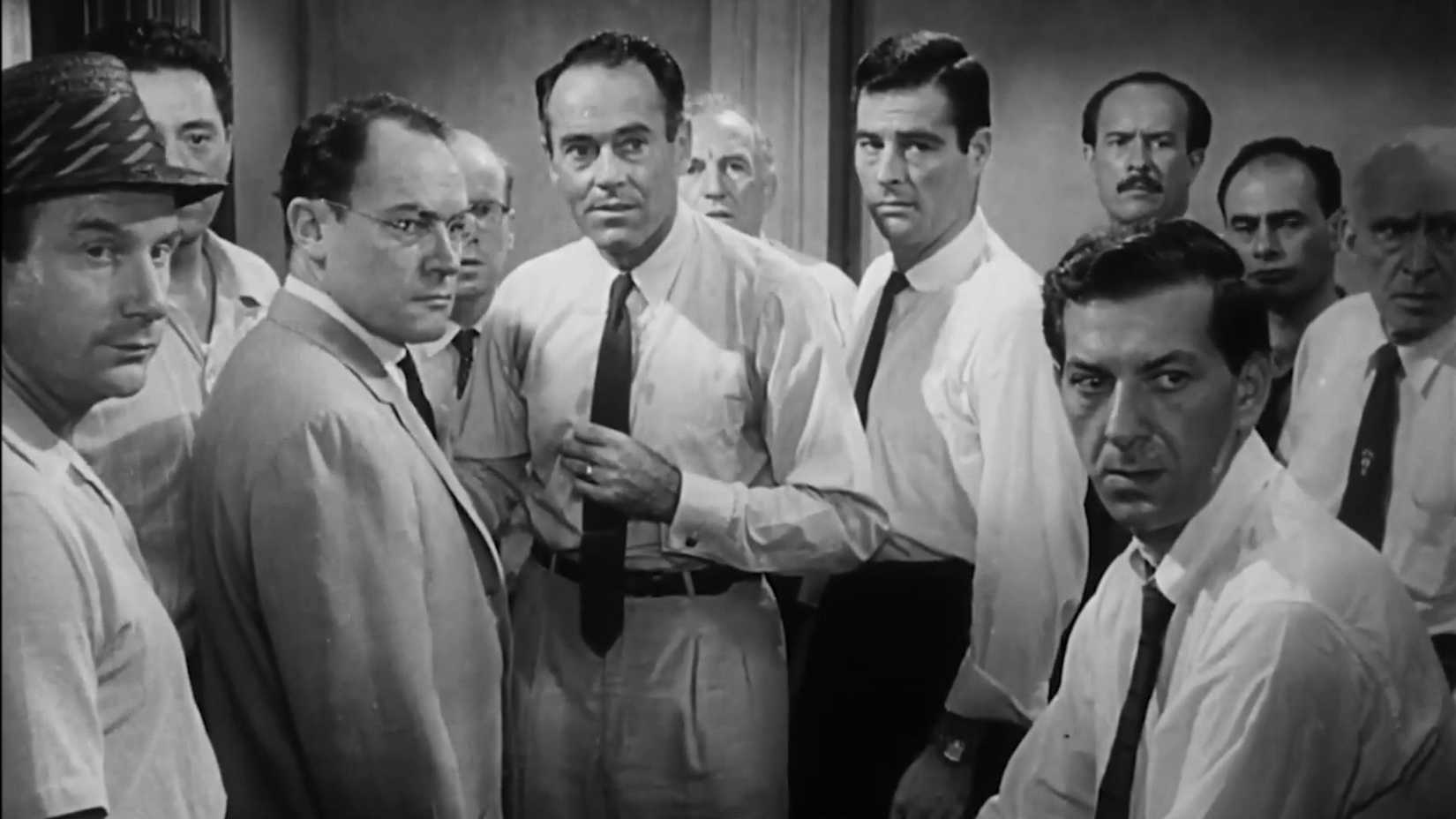
Sidney Lumet was known for bringing the best out of his performers, and his directing prowess shines in 12 Angry Men. The procedural drama sits with twelve New York City jurors in a single location as they decide the verdict of a murder trial. One dissenting juror slowly convinces the others to reconsider their near-unanimous verdict. Henry Fonda plays the protagonist in a career-defining performance.
Director Lumet conveys a sense of claustrophobia that builds tension and atmosphere without boring his audience. Writer Reginald Rose proves that conversation and character dynamics can be as enthralling as physical action and dazzling stunts. While it lost the Best Picture Oscar to The Bridge on the River Kwai, 12 Angry Men has soundly secured its place atop film history. This once in a lifetime masterpiece is currently free on YouTube, Tubi, and Pluto TV.
Seven Samurai (1954)
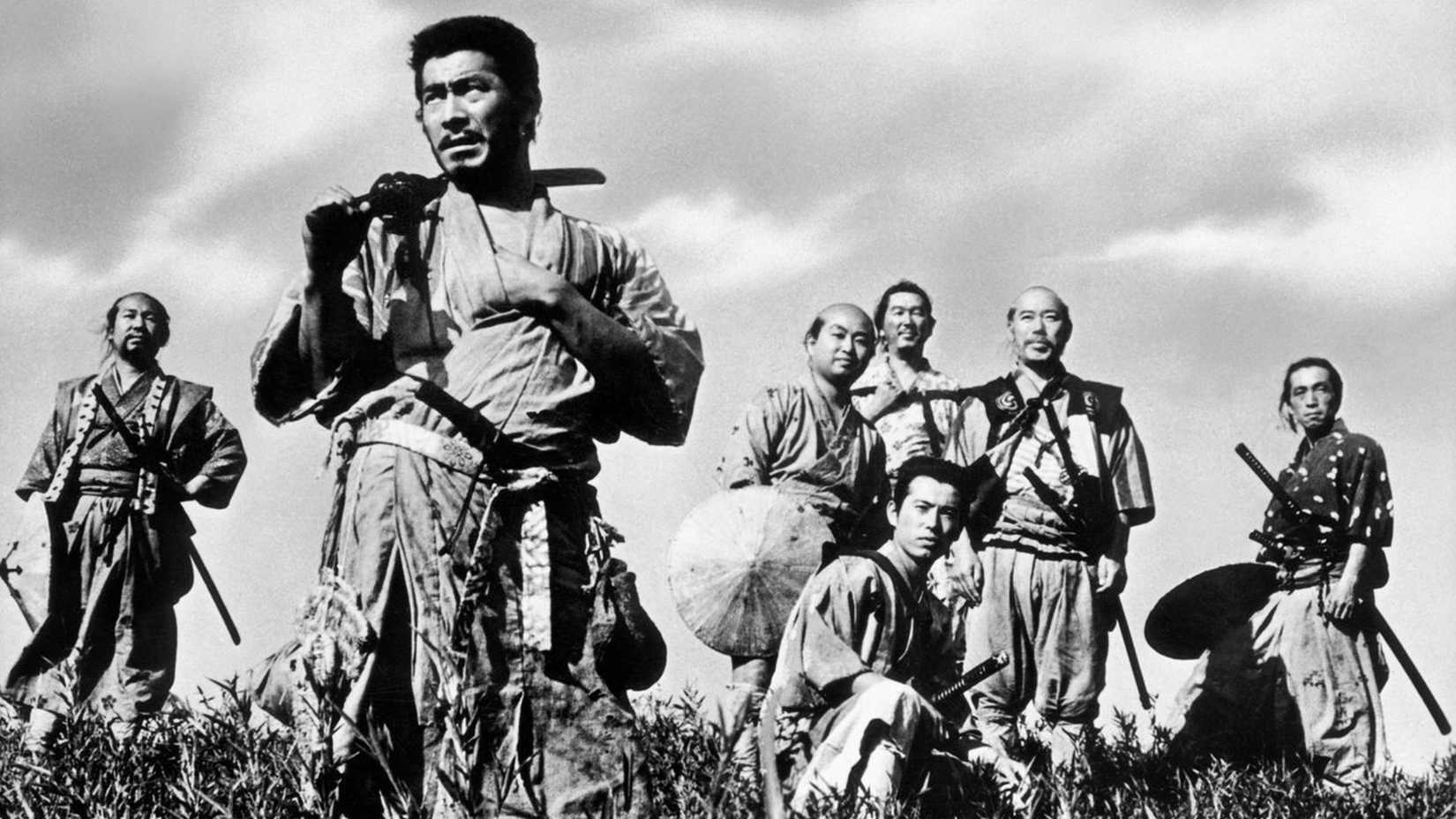
Legendary filmmaker Akira Kurosawa delivered one of the most epic adventure movies ever made in 1954. Seven Samurai remains among the greatest action movie masterpieces, despite not having modern special effects. It was influenced by classic John Ford Westerns, and went on to inspire Westerns such as 1961’s The Magnificent Seven (via BFI).
Over its three hour and 27 minute runtime, Seven Samurai tells the tale of sixteenth-century farmers who hire a group of samurai to protect them from invading bandits. The resulting film is an evocative collage of action, storytelling, and philosophy, which serves as a timeless ode to bravery and hope.
The poetic classic features strong performances from acting legends Toshirō Mifune (Throne of Blood) and Takashi Shimura (Rashomon). As of writing, Seven Samurai is available on HBO Max or with ads on Tubi and Pluto TV.
The Third Man (1949)

The Third Man is arguably the best performance of Orson Welles’ career. Directed by Carol Reed, the seminal film noir follows an American writer in the search for his supposedly deceased friend in post-WWII Vienna. As he falls deeper into this twisting mystery, he must confront his crumbling understanding of the world and his old friend. Citizen Kane actor Joseph Cotten plays the American writer against Welles' unnerving antagonist.
While Citizen Kane sweeps its audience into a swirling narrative pontification, The Third Man ushers viewers through a singular, airtight plot line with a satisfying finish. The engaging cinematography harkens to the experimental style of Welles’ early work, with abstract angles and sharp shadows. Its evocative visual style earned it the Oscar for Black and White Cinematography.
The Third Man elevates film noir to an unmatched level of excellence. As of writing, The Third Man is available on Tubi and PLEX.
Vertigo (1958)
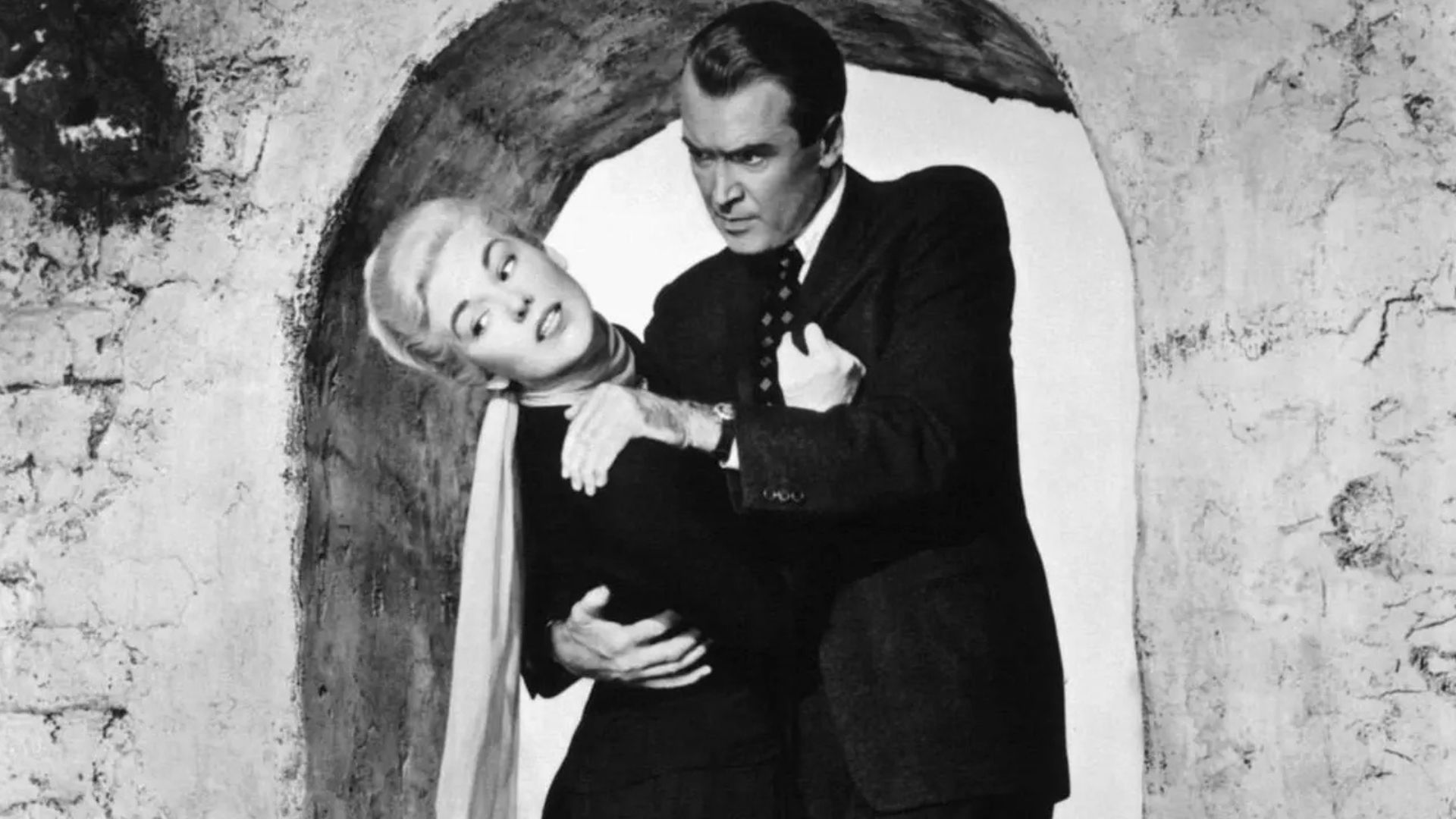
Alfred Hitchcock is in the upper echelon of directors, and most of his filmography falls in the best films of the last 100 years. Among his many greats, Vertigo is arguably the best.
Hitchcock is the master of depicting the slippery descent from fascination into obsession. In his 1958 psychological thriller, Hitchcock details a man’s (James Stewart) obsession with the strange behavior of his old friend's wife (Kim Novak). This picture is perhaps best known for its use of camera angles and shifting focus to mimic the antagonist's experience with vertigo. While the use of film form is stunning and evocative, the picture’s intriguing narrative and strong central performances should not be discounted.
Vertigo was ahead of its time, and initially received mixed reviews for its slow, contemplative plot. It has since been recognized as a deeply personal and rich piece of art cinema. As of writing, Vertigo is available to rent online.
The Battle of Algiers (1966)

60 years after its release, The Battle of Algiers remains one of the most influential pieces of political cinema ever made. Most recently, it inspired Paul Thomas Anderson’s Oscar-winning epic One Battle After Another.
Directed by Italian filmmaker Gillo Pontecorvo, The Battle of Algiers depicts Algerians' fight for independence from the occupying French army in the 1950s. The heart-pounding film sees everyday citizens join in on the fray and participate in guerrilla warfare to defeat their oppressors. Shot on-location in black and white, the feature utilizes a cinéma vérité or documentary style. It is one of the most realistic depictions of modern day warfare, and is as thematically relevant today as it was in 1966 (via The Criterion Collection).
As of writing, The Battle of Algiers is available to stream on HBO Max or with ads on Tubi and PLEX.
2001: A Space Odyssey (1968)
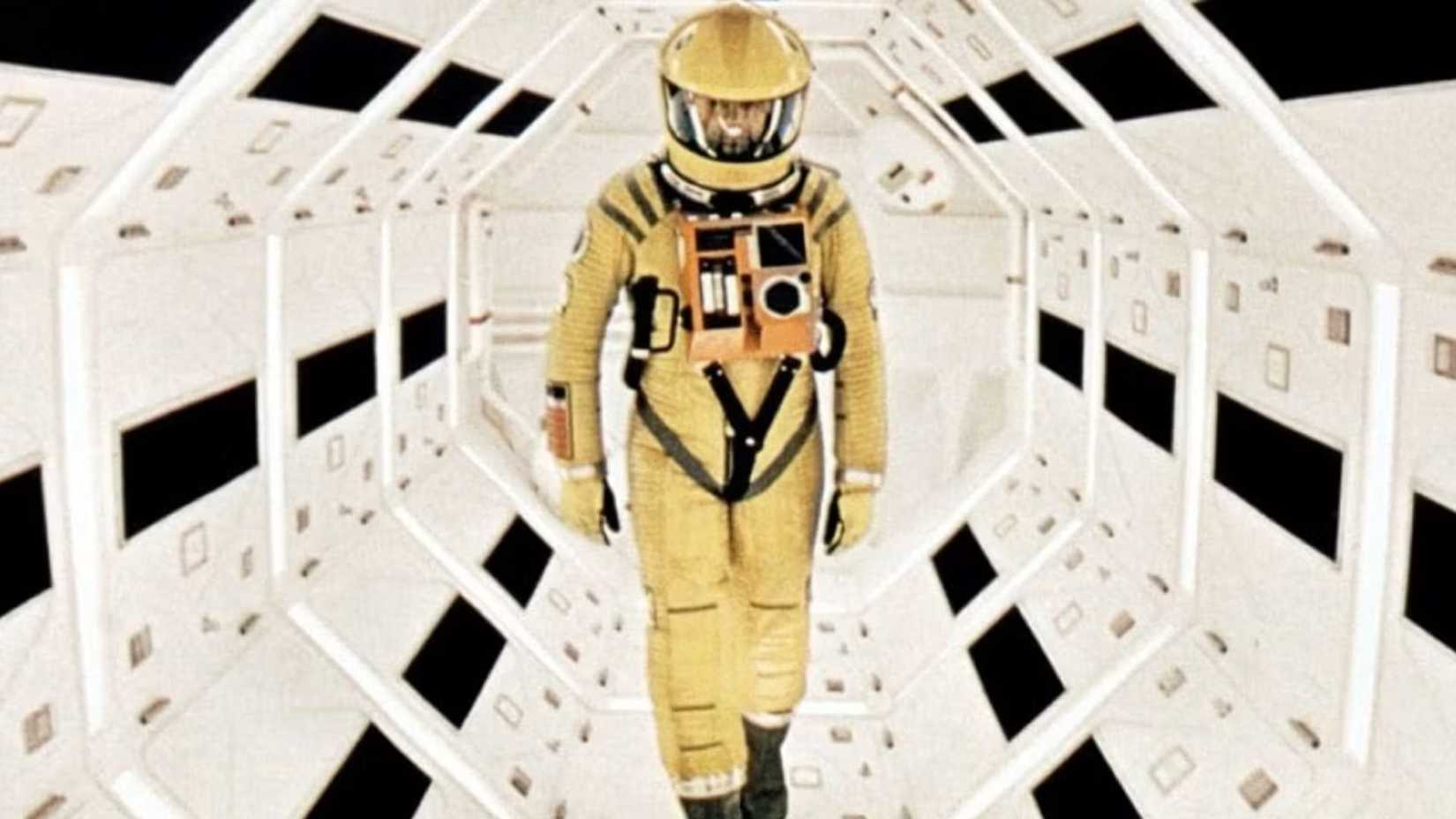
The most critically acclaimed and highly regarded films are typically dramas, such as Citizen Kane. These grounded emotional works are taken more seriously than popcorn genre flicks such as horror, fantasy, and science-fiction. Even so, 2001: A Space Odyssey transcended its sci-fi genre and became known as one of the best movies ever made, influencing generations of filmmakers across genres.
Stanley Kubrick’s seminal classic follows the Discovery One spacecraft and its sentient computer on an exploration of a mysterious monolith on Jupiter. The film’s innovative use of match cuts is still studied in film classes today. The film’s Academy Award-winning visual effects remain stunning and impressive even in today's age of seamless CG.
Narratively, the sci-fi feature’s astute contemplation on human nature and evolution is perhaps more thematically relevant now than ever before. As of writing, 2001: A Space Odyssey is available to stream on HBO Max.

Citizen Kane

10/10
- Release Date
- April 17, 1941
- Runtime
- 119 minutes
- Director
- Orson Welles
- Writers
- Herman J. Mankiewicz, Orson Welles, John Houseman, Roger Q. Denny, Mollie Kent
KioskNews shows a cleaned-up reading view extracted from the publisher’s page — the original always lives on their site, not ours.