Artificial ‘glue’ could boost IVF success, new research finds

An engineered “molecular glue” that holds chromosomes together in ageing eggs could significantly improve fertility treatments and boost IVF success rates for women over 35, according to new research.
In a study of mouse and donated human eggs, scientists developed an artificial protein system – called TALhesin – capable of reversing one of the primary biological barriers to conception later in life.
Inside healthy eggs, chromosomes are bound together by natural protein structures called cohesins, which ensure genetic material divides cleanly during cell division.
Unlike younger eggs, where cohesin levels remain high, older eggs lose this natural glue over time, causing chromosomes to separate prematurely and distribute unevenly.
This process, where eggs end up with too many or too few chromosomes, triggers a genetic error known as aneuploidy – the leading cause of age-related infertility, failed IVF cycles and early miscarriage.
This risk rises sharply as women enter their late thirties and forties, when studies suggest between 50 and 80 per cent of embryos carry chromosomal abnormalities.
According to the UK’s Human Fertilisation and Embryology Authority (HFEA), IVF birth rates per embryo transferred drop below 5 per cent for patients aged 43 and over.
The findings, published in the journal Science, mark the first time researchers have successfully mimicked the natural protein’s role using a synthetic system.
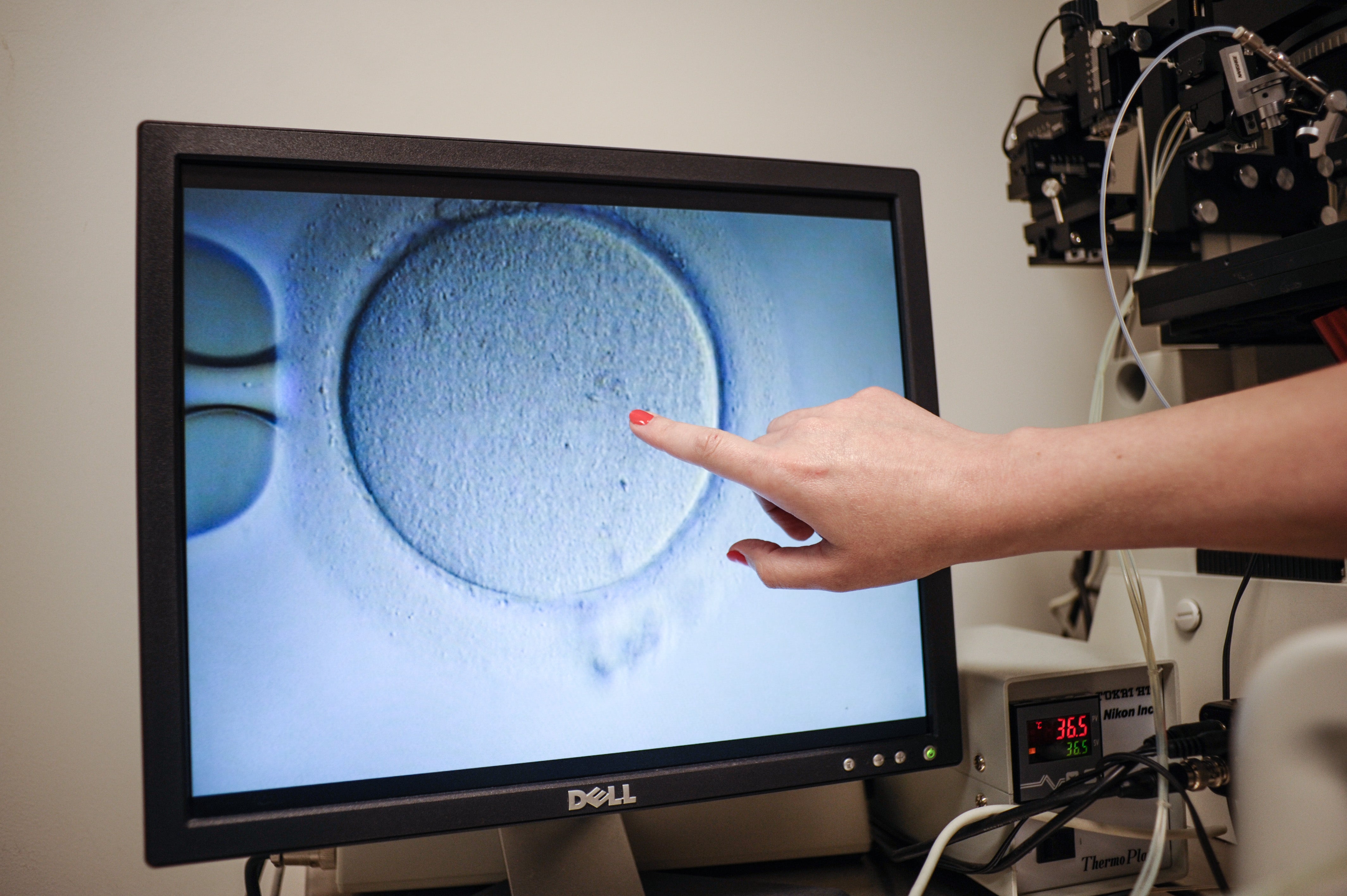
During the study, biochemist Melina Schuh and her colleagues at the Max Planck Institute for Multidisciplinary Sciences in Göttingen, Germany, injected messenger RNA carrying genetic instructions for the engineered proteins into immature eggs from older mice.
Once produced by the egg, the TALhesin proteins attached to the exact regions where natural cohesin is normally lost, dramatically cutting premature chromosome separation across mice aged 13, 17 and 20 months.
In 17-month-old mice, the proportion of eggs free from chromosome-separation errors jumped from 46.7 per cent to 74.1 per cent – matching levels typically seen in eggs from much younger animals.
Together, it means the artificial glue can effectively turn back the biological clock inside older eggs, sharply reducing the genetic errors that can cause IVF failure and miscarriage.
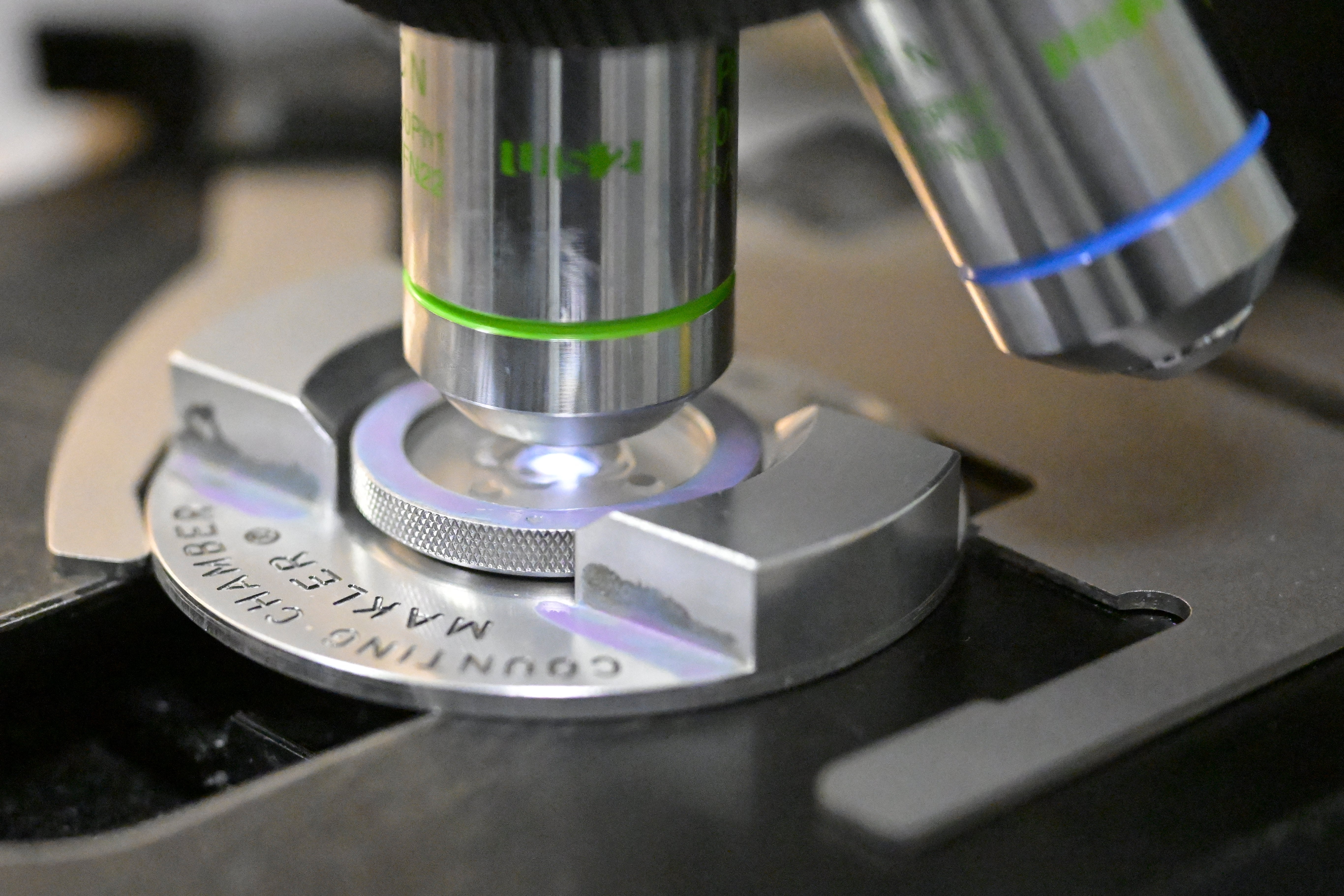
While the findings hold promise, adapting the system for clinical use remains a long-term challenge, as researchers must still verify whether treated eggs can be fertilised safely and develop into healthy embryos without unintended side effects.
But in early experiments on donated human eggs, the authors found that the TALhesin proteins accumulated in the expected chromosome regions, opening the door to future fertility research.
KioskNews shows a cleaned-up reading view extracted from the publisher’s page — the original always lives on their site, not ours.