Church victim accused of having ‘credibility of $3 note’ gets $2.2 million
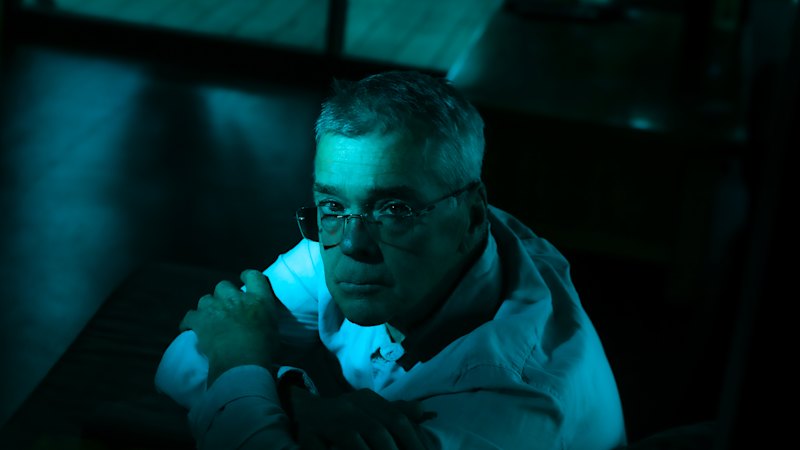
A survivor of shocking clerical abuse has been awarded more than $2.2 million by a Supreme Court jury, despite a series of contentious claims by the Marist Brothers’ legal team that he lied about his mental health and had the “credibility of a $3 note”.
Greg Barclay was repeatedly accused of fabricating and exaggerating evidence during the civil trial, including a claim he faked details about two suicide attempts after he was sexually abused by brother John Anthony Skehan at the former St Colman’s College in Shepparton in 1970.
During a 12-day trial last month, barrister Jack Pappas, acting for the Trustees of the Marist Brothers, branded Barclay a “money-grubber” who was motivated by greed, while dismissing some of his testimony as “balderdash, piffle and rot”.
“I suggest to you [there] was a performance by Mr Barclay on the morning of the second day of his evidence, unabashed display of faux emotion, gasping for air, huffing and puffing, struggling to get words out, the full enchilada,” Pappas told the jury.
“He pretended in front of you, and he pretended to doctors about the after effects and the continuing impact of the abuse upon him when he was 14 years old. He exaggerated symptoms and disabilities and consequences, all seeking sympathy and damages to which he is just not entitled.”
However, a six-person jury emphatically rejected Pappas’ submission and awarded $2,248,974 to Barclay on October 1, while the Marist Brothers were also ordered to pay his legal costs.
Barclay told this masthead he had been vindicated by the judgement, but was emotionally drained by the trial after more than three days giving evidence and facing cross-examination.
“I knew they would come in hard, but it was just brutal. It was worse than I’d anticipated. To be accused of pretending to be a victim/survivor is just outrageous and that’s after the person who abused me was convicted in court,” Barclay told this masthead.
“There were so many comments that really struck me as disgusting. I was called a money-grabbing grub.”
The court made no criticism of the conduct of the Marist Brother’s counsel in the judgement.
Barclay, now 70, said there was a stark contrast between the public comments made by the Catholic order and its conduct in court.
“This was consistent with how the Marist Brothers and the Catholic Church have behaved in the past. They publicly claim to support victims and apologise for the past, but when someone makes it to court they are accused of making it all up and [they say they] shouldn’t be believed,” he said.
However, the director of the Marist Brothers professional standards’ office, Domenic Pagano, defended the order’s legal response. He confirmed the Marist Brothers would appeal the recent judgement in favour of Barclay.
“The Marist Brothers accepted that they were liable to pay Mr Barclay fair and reasonable compensation but believed, on a proper assessment of the evidence, that Mr Barclay was exaggerating aspects of his claim and that he had no claim for recovery of economic loss following an active and remunerative career as an educator and senior union official,” Pagano said.
“The Marist Brothers’ counsel acted in court in a manner consistent with a robust challenge to a claim which the defendant believed to be deliberately overblown.”
Pagano said the order had to be judicious in meeting the expanding legal demands of clerical abuse survivors and had an obligation as trustee of funds that also provide extensive education and care services.
In 2014, Skehan was convicted of indecently assaulting Barclay and handed a suspended eight-month prison sentence. He was previously convicted and placed on a suspended sentence in 2010 for the indecent assault of a young child in Broken Hill in the 1970s.
In a press release after Skehan’s second conviction, the Marist Brothers said it was committed to “addressing the terrible effects of past abuse.”
“We will continue to work with victims of abuse with care and compassion to help them achieve healing,” the statement read.
In 2015, Barclay received an apology from then provincial leader Brother Peter Carroll.
“I accept you were harmed through no fault of your own by the abusive actions of [Brother] John and that harm has extended into your adult life with adverse effects on your personal, work and social relationships,” Carroll said.
Barclay’s solicitor Laird Macdonald from Rightside Legal said the Marist Brothers deserved to pay a steep price for their treatment of his client during the trial.
“The Marists told the jury to give him zero compensation for an impacted working life. To their credit, the jury saw through those ridiculous slurs and arguments,” Macdonald said.
Start the day with a summary of the day’s most important and interesting stories, analysis and insights. Sign up for our Morning Edition newsletter.
KioskNews shows a cleaned-up reading view extracted from the publisher’s page — the original always lives on their site, not ours.