Nurse struck off after falsifying patients’ records to get herself weight loss jabs

A nurse has been struck off after she was caught falsifying patients’ records to acquire weight-loss drugs to use for herself.
The Nursing and Midwifery Council (NMC) said Sarah Jayne Didymus's actions, which occurred over 16 months, were “devious, sustained, calculated and planned”.
The council panel determined the nurse had “obtained weight loss drugs at NHS subsidised prices” and printed prescriptions rather than sending them electronically in an attempt to hide what she had done.
Mrs Didymus was employed at Port View Surgery in Saltash, Cornwall, as an advanced nurse practitioner from 2021 until her resignation in 2023.
She was responsible for triaging patients, seeing patients face-to-face, running clinics, reviewing minor illnesses, and completing home visits, among other duties.
She was a nurse prescriber, meaning she could prescribe necessary medication for her patients.
The NMC panel was told that the practice manager became suspicious of Mrs Didymus in April 2023 following a phone call from Boots pharmacy querying a large amount of Ozempic which had been prescribed to a patient.
It was also noted that Mrs Didymus had “lost a lot of weight” in the previous months.

It emerged that the nurse had been prescribing patients courses of Ozempic and Trulicity, printing them off on paper, and then ending the course on the patients’ records to ensure they would show.
The NMC panel described her actions, which involved five patients, as “calculated and sophisticated”.
It found that, in January 2022, Mrs Didymus restarted a course of Trulicity for one patient with “no clinical basis” before ending the entry on their medical record.
The drug had previously been prescribed to this patient in 2018, but was not continued as they had an adverse reaction.
The following month, Mrs Didymus prescribed a 12-month course of Ozempic for the same patient following a telephone consultation.
The NMC said Ozempic was not discussed and there was “no clinical indication for that prescription”.
Mrs Didymus printed the prescription, and around 20 minutes later ended it on the record using the reason “error”.
In June of that year she issued another 12-month course of Ozempic for the same patient despite not having a consultation with them.
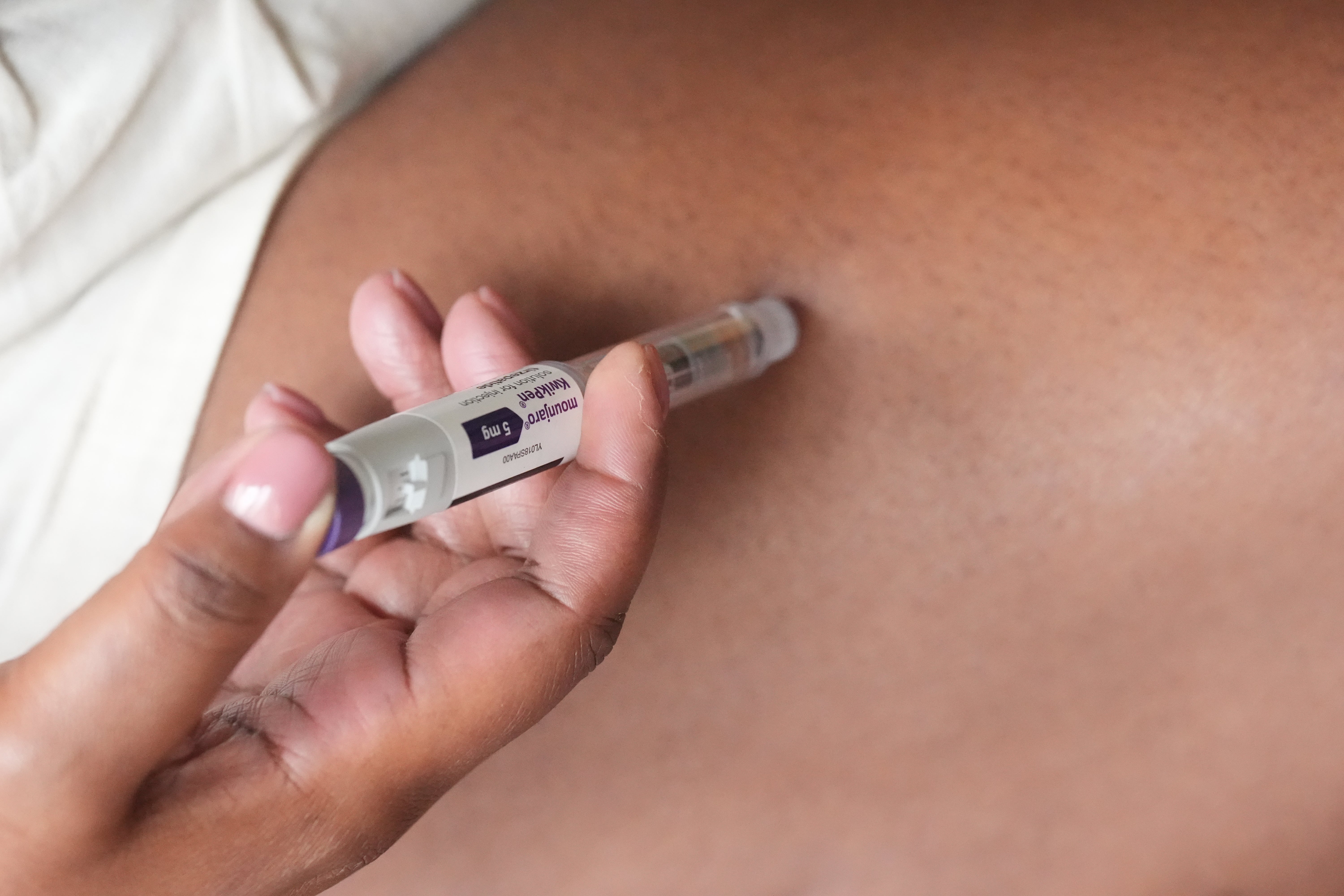
She printed a paper prescription, ended the course with the reason “didn’t use”, then collected the medication herself at a pharmacy.
According to an email between Mrs Didymus and the lead pharmacist, the cost of the items dispensed was £822.
In January 2023, she accessed another patient’s records with no consultation, issued a four-week course of semaglutide and collected the prescription herself.
Later the same month, and for the same patient, she printed another prescription for the weight loss drug before ending the record by recording “wrong PT”.
Mrs Didymus repeated this with a third patient the following month, and in March 2023 added a 28-day course of Ozempic to a fourth patient’s records with no clinical justification.
In April 2023, the nurse issued a four-month prescription for Ozempic to a fifth patient, printed it off and cancelled it on their record.
The NMC found that Mrs Didymus “obtained weight loss drugs at NHS subsidised prices” and the “repeated features” of her conduct were “significant”.
Prescriptions were printed rather than sent electronically and were prepared to “conceal what had been done”, with the same methods used a number of times.

The panel highlighted that “this was not consistent with isolated error or poor record-keeping, but demonstrated a deliberate course of conduct”.
Its report said that Mrs Didymus “misused her prescribing authority in a manner wholly inconsistent with the standards expected of a registered nurse” and concluded that her actions “fell seriously below the conduct and professional standards expected”.
It added: “Mrs Didymus was a senior nurse with an additional registered prescribing qualification, including controlled drugs, and therefore occupied a position of enhanced trust.
“She abused that position by deliberately selecting individual patients, creating and printing prescriptions for medication she wanted, cancelling those prescriptions and concealing them within the patients’ medication histories.
“The panel was satisfied that public confidence in the nursing profession would be undermined if conduct involving dishonesty of this seriousness did not result in a finding of impairment.
“The calculated and sophisticated nature of this conduct made a finding of impairment on public interest grounds necessary.”
KioskNews shows a cleaned-up reading view extracted from the publisher’s page — the original always lives on their site, not ours.