EU’s Southeast Asia push hits funding crunch as China widens lead
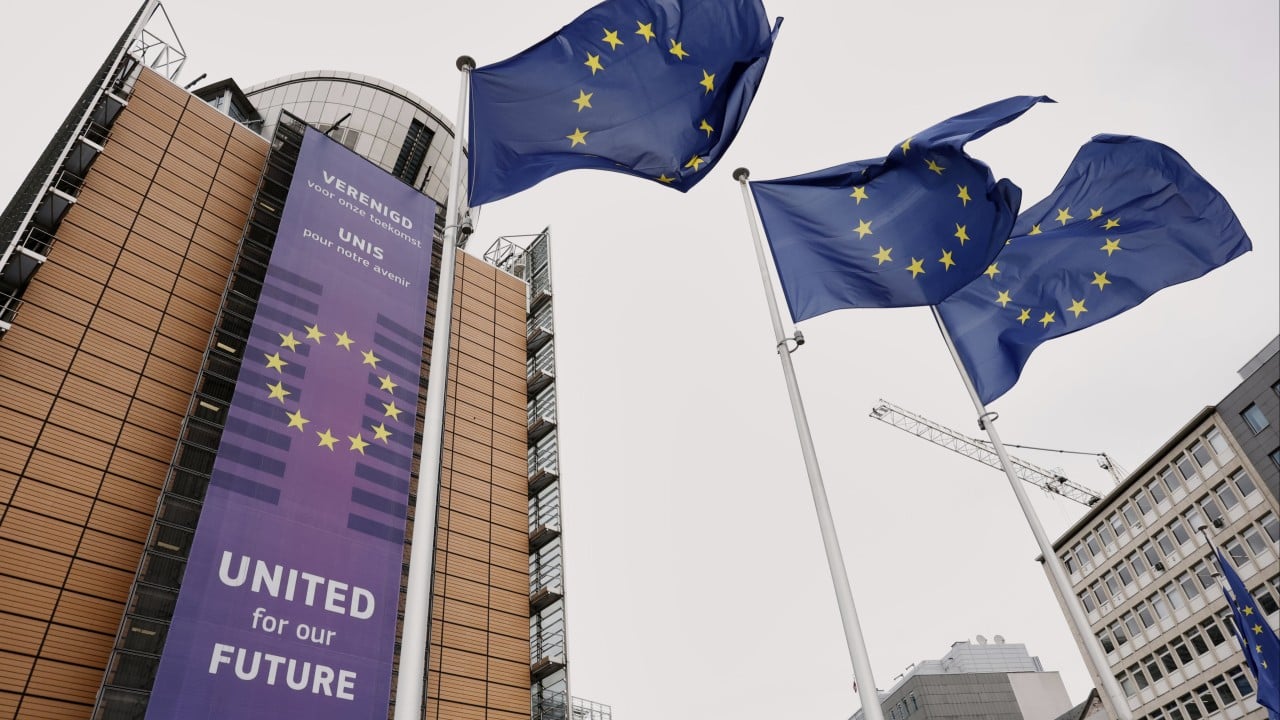
An EU funding crunch is threatening to stifle the bloc’s ambitions to expand its influence in Southeast Asia, as Brussels grapples with a budget deadlock that could slow infrastructure investments across the fast-growing region.
The funding squeeze could hinder the green transition and regional connectivity goals of the Association of Southeast Asian Nations, even as Brussels seeks greater strategic autonomy amid competition with Beijing’s economic clout.
Analysts expect the European Union to prioritise domestic spending pressures over overseas commitments, arguing Europe can still leverage higher-quality, sustainable investments rather than attempting to match China’s financial muscle.
Launched in 2022, the EU-Asean Global Gateway strategy aims to bolster regional infrastructure backed by 10 billion euros (US$11.2 billion) in public funding through 2027 via its primary external financing tool, the Global Europe instrument.
“With over 680 million people, a huge middle class and a very dynamic economy in terms of manufacturing, services and tech, Asean is a massive market for the EU,” said Rahul Mishra, an associate professor at India’s Jawaharlal Nehru University. “For the EU, it’s a partner with which it shares a range of interests, aspirations and concerns.”
However, the programme’s future is clouded by an impasse over the EU’s 2028-2034 Multiannual Financial Framework (MFF). In July last year, the European Commission proposed an overall budget of nearly 2 trillion euros (US$2.25 trillion) – including 200 billion euros for Global Europe, up from 79.5 billion euros currently.
The plan met swift resistance from the “frugal” bloc – Germany, Austria, Denmark, the Netherlands, Finland and Sweden – which demanded cuts of several hundred billion euros before granting the required unanimous approval.
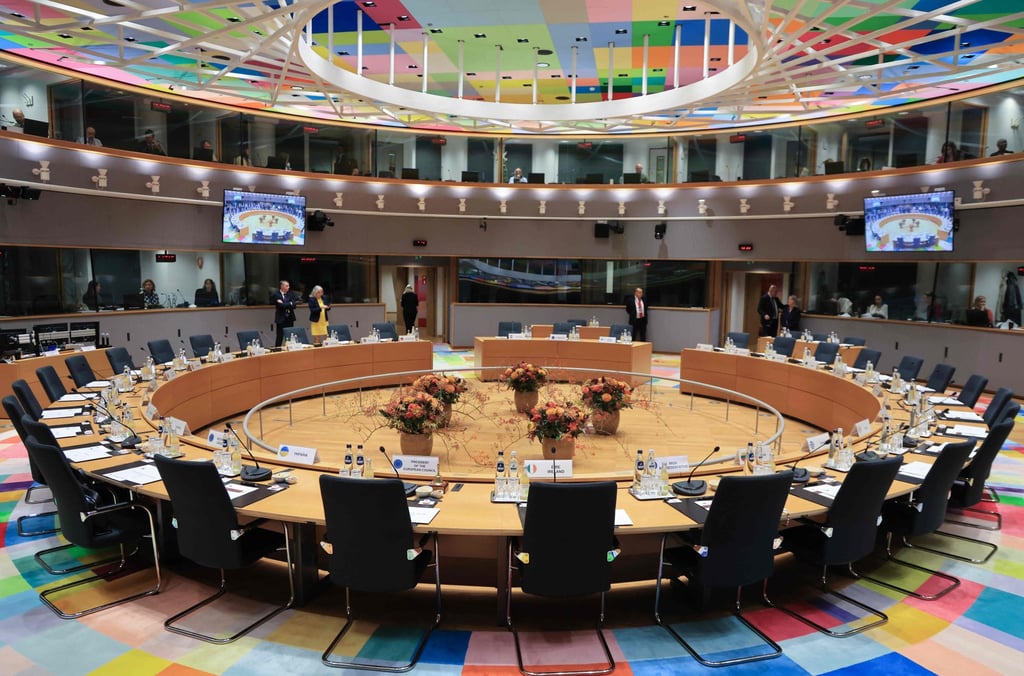
“The multiannual financial framework was growing in size every year, and this year it cracked through the psychological barrier of 2 trillion euros for the first time in the original proposal,” said Roland Vogt, an associate professor of global and area studies at the University of Hong Kong. “That is something very unpalatable to a lot of the member states who are net contributors.”
Brussels argues the expanded budget is needed to juggle defence, competitiveness, migration and climate priorities alongside traditional agricultural and regional cohesion subsidies.
Cuts to Global Europe loom
To break the stalemate, the current Irish presidency of the Council of the EU proposed a compromise trimming Global Europe funding to 148.9 billion euros – a roughly 25 per cent cut from the original proposal.
The compromise drew fierce pushback from the European Parliament, which must also approve the budget.
“Global Europe is the EU’s foreign and development policy superpower. Amid worsening global crises, Europe must step up its engagement with the world,” said Robert Biedron, co-rapporteur for the parliament’s development committee. “If we fail now, we will have to deal with the much more expensive consequences later.”
Analysts doubt lawmakers can hold the line.
“I don’t think the European Parliament can win, because the pressure from the countries which pay for the EU budget is so strong,” said Iain Begg, a professorial research fellow at London School of Economics’ European Institute. “The likelihood of Global Europe being successfully increased again by the European Parliament, I would regard as a very low probability.”
This Week in Asia has reached out to the European Commission for comment.
The budget impasse comes as Brussels balances strained ties with Washington and Beijing against mounting domestic liabilities. Debt across five member states exceeds 100 per cent of their gross domestic product, with the International Monetary Fund warning that European public debt could double over the next 15 years without budgetary discipline.
“What is quite clear is that domestic issues prevail for now. Cohesion and agricultural funds are politically very difficult to touch as well,” said Konrad Szatters, a Brussels-based China analyst at the Association for International Affairs. “So, if something needs to be cut from the MFF, it might be the external action, because it’s just not the highest priority for national governments amid the ongoing financial squeeze.”
Wider funding gap for Asean
For Asean, this means less direct funding for Southeast Asia’s green transition and connectivity projects – the core of Brussels’ regional agenda.
“Asean is already grappling with a massive infrastructure financing gap, and reduced concessional funding would only make it harder to raise the capital that’s needed,” Mishra said. “There’s a real risk of an uneven green transition, with more financially robust countries able to carry on and less well-off ones potentially left behind.”
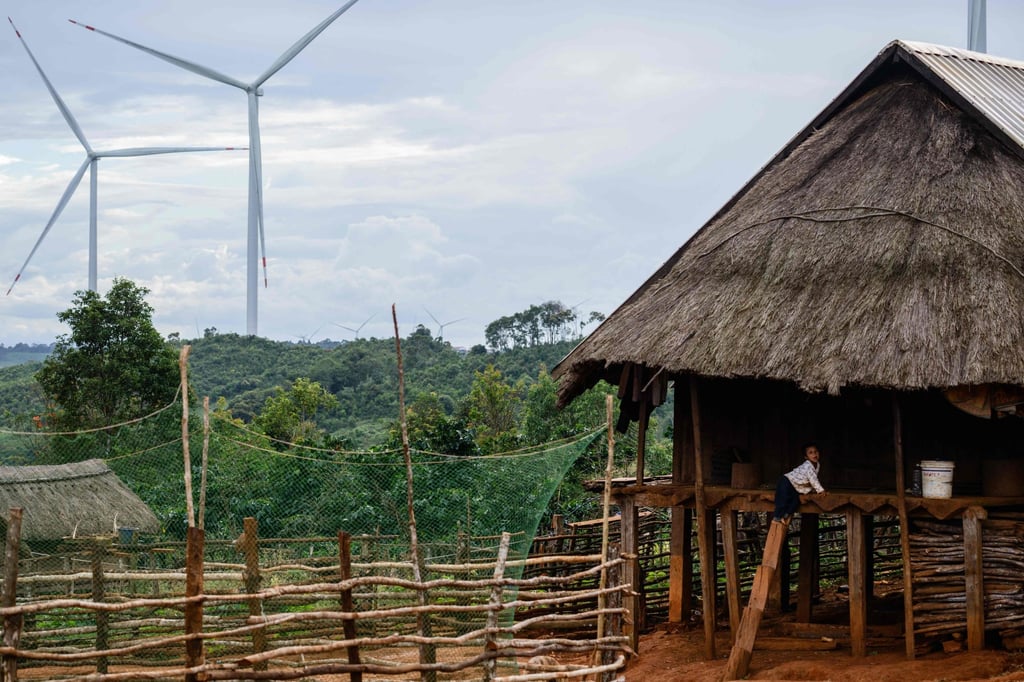
He warned that cross-border integration could stall, weakening momentum towards a cohesive regional economy. According to the Organisation for Economic Cooperation and Development, Southeast Asia needs US$210 billion annually through 2030 to close its infrastructure and sustainability investment gap.
“Green transition and sustainable connectivity continue to be global priorities for the EU, which is good news for Asean,” said Andrew Sherriff, associate director of institutional relations and partnerships at European “think-and-do” tank ECDPM. “However, Europe wants to align future spending in these areas not just with Asean priorities, but also more explicitly with its own interests and the European private sector through mutually beneficial partnerships.”
Failure to finalise the 2028–2034 MFF before next year could also stall new initiatives, despite European Council President Antonio Costa urging a deal before year’s end.
“Current initiatives agreed to be funded prior to 2027 would not be impacted,” Sherriff said, noting emergency rules allow rolling over existing budgets. “However, without clarity on the budget for 2028–2034, launching new initiatives – including those related to the Global Europe instrument and the associated EU-Asean Global Gateway initiative – would be difficult unless the latter are funded directly by EU member states.”
This Week in Asia has contacted the Asean Secretariat for comment.
Head-to-head with China
Spending limits also blunt Europe’s ability to counter Beijing, which the Lowy Institute ranks as Southeast Asia’s most influential partner, financing 31 per cent of regional infrastructure projects in 2024.
“The bureaucracy is too big, and the capital available is too little. That’s one of the reasons why Europe has been losing out to China, because China can come in and basically say: ‘We’re bringing projects, including the financing,’” Vogt said.
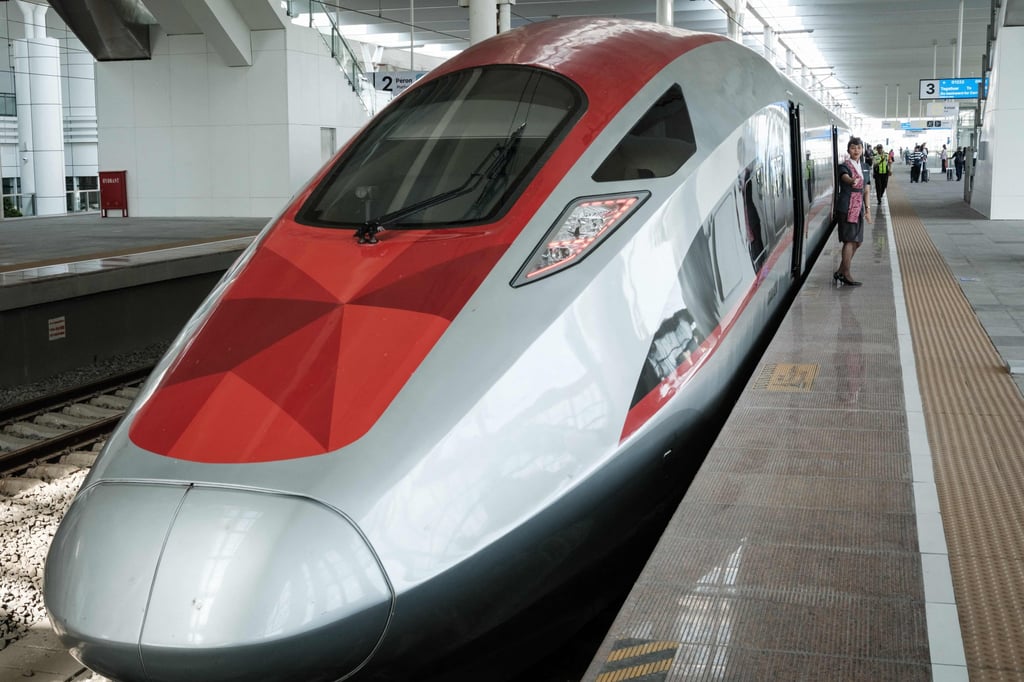
Szatters said the EU must lean into project quality rather than trying to match Beijing’s spending power.
“The EU is not a state. Its budget heavily relies on member states’ contributions,” Szatters said. “Any substantial increase in funding for such initiatives requires agreement among the 27 member states, and ultimately somebody has to pay for it.”
“What we can do is outperform China in the sustainability and quality of investments for a long-term gain.”
KioskNews shows a cleaned-up reading view extracted from the publisher’s page — the original always lives on their site, not ours.