10 Masterpiece K-Dramas That Have Aged Like Fine Wine
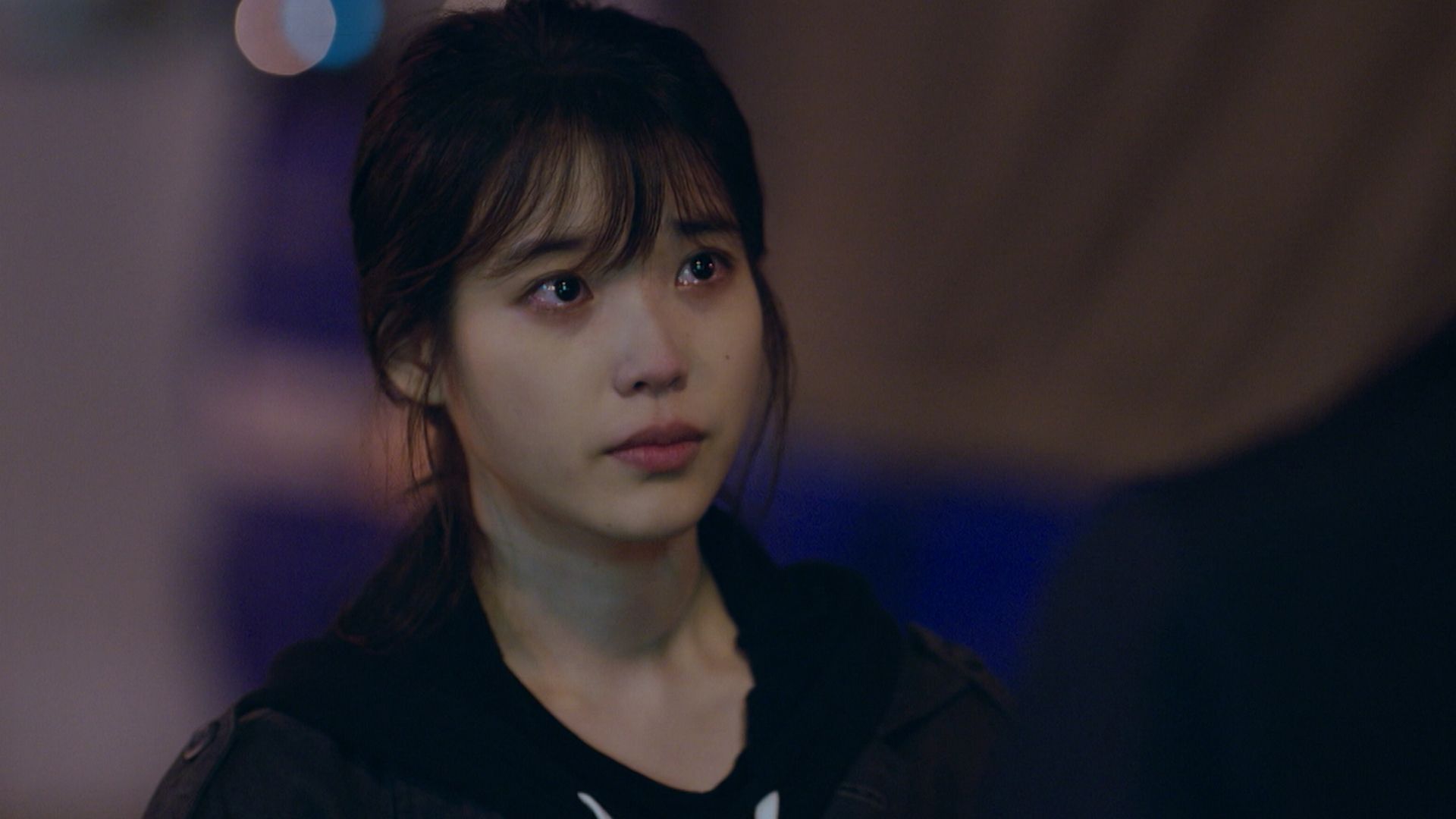
Currently, the Hallyu wave is at its best, with K-pop and K-dramas being more popular than ever. While one can’t deny that recent Korean TV shows have risen in production value, there is still something special about revisiting K-dramas that came before the streaming boom. Some of these older Korean series may show their age in their fashion or technology, but their plots remain just as captivating and sometimes even more meaningful years later. The real test of a great K-drama usually comes down to whether the passage of time will dilute what made it special in the first place.
Though plenty of once-popular K-dramas have faded into the background, a select few have only become more impressive with age, especially because they helped launch the careers of Korean actors who would go on to become some of the biggest stars in the industry. Of course, many of the K-drama hits that we now enjoy today are refined because of shows that preceded them, particularly those that were not afraid to tackle topics that were far ahead of their time.
Reply 1988 (2015–2016)
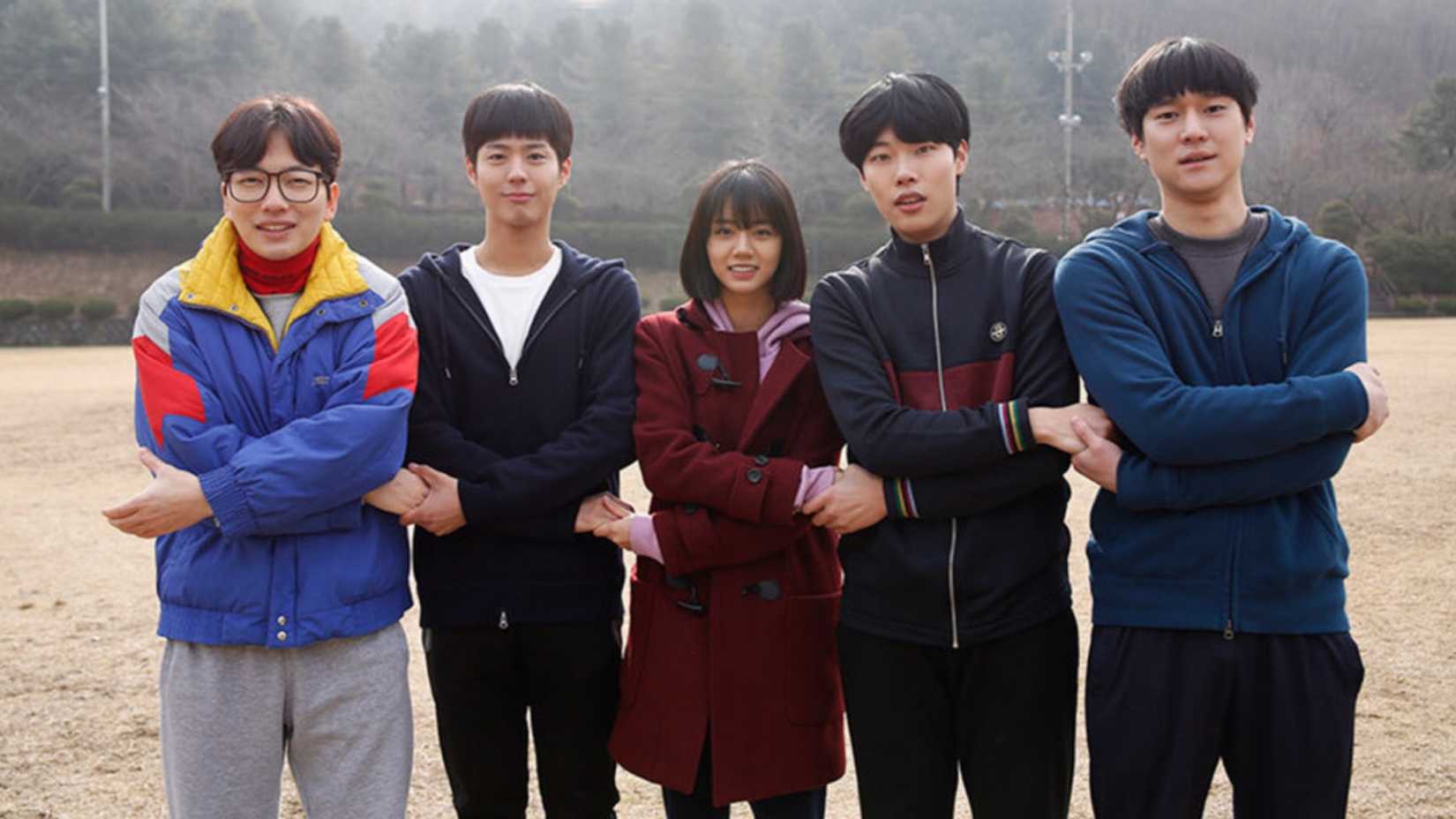
Back in 2015, Reply 1988 understood that the best K-dramas do not need to have grand conspiracies or be constantly filled with action. The K-drama, instead, was slow and character-driven, characteristics that have contributed to why it is widely regarded as a K-drama masterpiece. Reply 1988 is a nostalgic coming-of-age drama set in 1988 in Ssangmun-dong, a working-class neighborhood in Seoul. The series follows five childhood friends, Sung Deok-sun, Kim Jung-hwan, Sung Sun-woo, Ryu Dong-ryong, and Choi Taek, and their families as they grow up together.
Reply 1988 perfectly uses nostalgia to recreate an entire community. The cramped homes, neighborhood streets, shared meals, and families constantly visiting one another make the setting feel lived-in and authentic. The K-drama also does a great job of not romanticizing childhood. Its characters experience the pains of growing up, but are okay because they have each other.
Signal (2016)

Signal is probably one of the most compelling K-dramas because it uses its supernatural premise as a vehicle for a much bigger story. The crime-thriller K-drama centers around Park Hae-young, a criminal profiler who discovers an old walkie-talkie that allows him to communicate with Lee Jae-han, a detective living in the past. Although the two men exist decades apart, they begin working together to solve cold cases that were never properly resolved.
Time-travel stories can age quickly when their technology becomes outdated, but Signal cleverly avoids that problem. The walkie-talkie idea is simple but brilliant because there are no elaborate futuristic devices or effects that could make the series feel technologically obsolete. Signal debuted in 2016, but its concerns about institutional negligence and the struggle for justice haven't become irrelevant. If anything, those themes help explain why the drama continues to resonate.
Misaeng (2014)

Misaeng, also known as Incomplete Life, is one of those K-dramas that proves you don't need a glamorous setting, a supernatural premise, or a love triangle to tell a gripping story. Set almost entirely inside a Korean trading company, the drama follows Jang Geu-rae, a young man whose dream of becoming a professional baduk (Go) player has failed. With no university degree and little conventional work experience, Geu-rae is given an opportunity to work as an intern at a large corporation.
The drama's title, Misaeng, roughly refers to an unfinished or incomplete life, a concept borrowed from the world of baduk. That idea perfectly captures Geu-rae's situation because he is someone who hasn't yet figured out what his life is supposed to become. Misaeng has aged so well because of how it focuses on the emotional roller-coaster of having a job you desperately need but don’t enjoy. The drama can feel surprisingly contemporary because its depiction of workplace anxiety remains recognizable more than a decade later.
Secret Garden (2010–2011)

Body-swap stories aren't exactly new, but Secret Garden uses the concept well. Watching a wealthy, hyper-confident businessman suddenly inhabit the body of a physically tough stuntwoman and vice versa creates comedy while also allowing the characters to understand each other's lives.
Many K-drama fans might know Hyu-bin from his role in Crash Landing On You, but Secret Garden is without a doubt that shows he is a great actor. A huge reason the drama remains watchable is the performances by Hyun Bin and Ha Ji-won. The body-swap premise requires both Hyun-bin and Ha Ji-won to imitate each other's mannerisms without turning the performances into caricatures, which they did extremely well. Hyun Bin's Joo-won is ridiculous at times, arrogant, dramatic, and convinced of his own brilliance, while Ha Ji-won's Ra-im provides a much more grounded counterbalance.
Secret Garden arrived during the golden era of the rich-heir/ordinary-woman romance, and it became one of the dramas that helped define that style. It features many familiar ingredients like class differences, an arrogant male lead, family opposition, and a romance that seems impossible, but its supernatural premise and strong character performances give those conventions a distinctive personality.
Goblin (2016–2017)
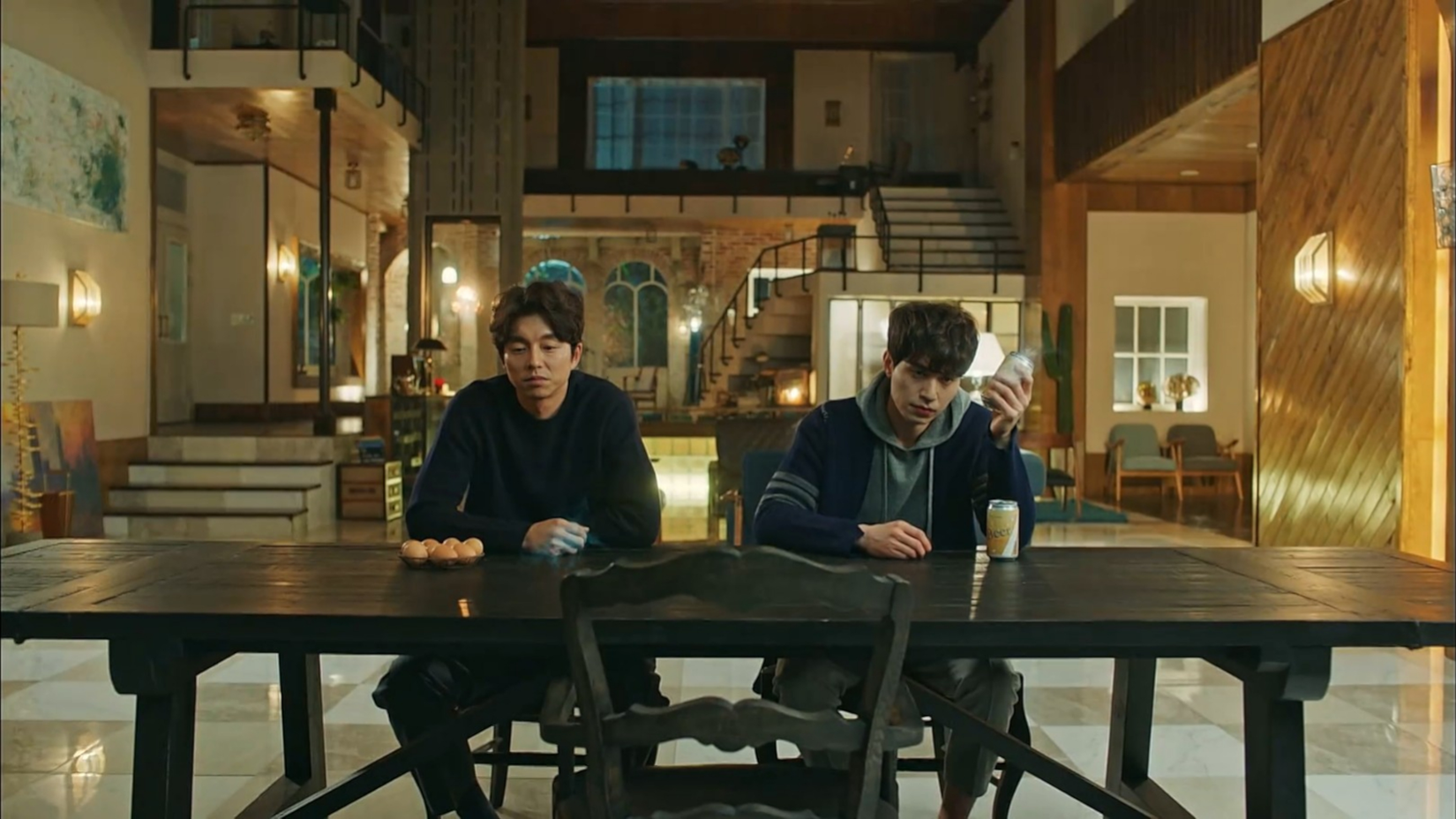
Guardian: The Lonely and Great God (Goblin)’s influence on the K-drama landscape cannot be denied. Even today, the Korean fantasy show remains rewatchable. Part of the K-drama's enduring appeal comes from its combination of fantasy, romance, comedy, tragedy, and mythology, but its biggest strength is how emotionally sincere the series is beneath all the supernatural lore.
The cast is another major reason the drama remains popular. Gong Yoo and Kim Go-eun give the central relationship a strong emotional foundation, while Lee Dong-wook and Yoo In-na create a second romance that's arguably just as memorable. Though the love stories are heartfelt, the bromance between Kim Shin and the Grim Reaper also provides some of the K-drama's most entertaining moments, preventing the story from becoming relentlessly melodramatic.
Of course, Goblin isn’t without its faults, particularly the age difference between Kim Shin and Ji Eun-tak that raises eyebrows. Those flaws, however, haven't erased what makes Goblin special. After all, there is a reason the K-drama is still held in high regard.
Prison Playbook (2017–2018)

The premise of Prison Playbook sounds bleak. A professional athlete has been imprisoned after being convicted of assault. Surprisingly, the K-drama is frequently hilarious. Much of the comedy comes from the personalities inside the prison rather than from making light of serious crimes. The inmates develop friendships, rivalries and routines, creating an almost sitcom-like atmosphere in between the heavier storylines.
That tonal balance is one of the reasons the K-drama remains so easy to watch. It can make you laugh at one moment and completely break your heart the next. More often than not, a prison drama could easily divide everyone into heroes, villains, and victims. Prison Playbook, however, is much more interested in people who exist somewhere in between.
Coffee Prince (2007)
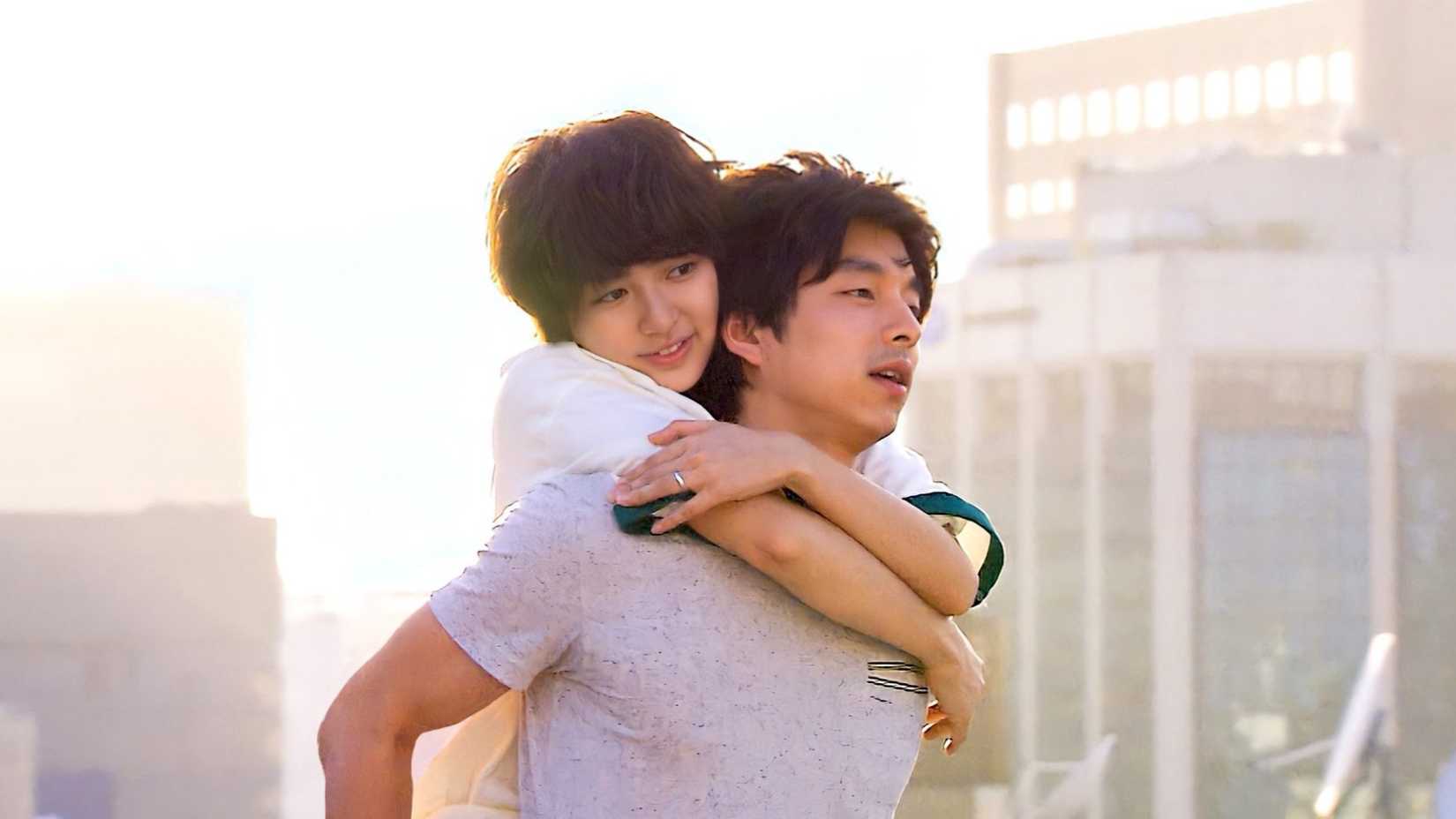
In the 2000s, American TV shows had become more progressive and tried to feature stories that touched on human experiences that didn’t cater to groups that had the most power in society. Korean dramas during that era were different, which is why Coffee Prince is held in high regard, even to this day. The comedy K-drama follows Choi Han-kyul, a wealthy but irresponsible young man who is pressured by his grandmother to take his life more seriously.
When Han-kyul takes over a struggling coffee shop, he decides to hire only attractive young men to create a trendy new image for the business. Eun-chan, who is often mistaken for a boy because of her appearance and tomboyish style, gets hired after Han-kyul assumes she is male. The situation becomes complicated when Han-kyul develops feelings for Eun-chan while believing she is a man.
Han-kyul genuinely believes Eun-chan is a man for much of the K-drama. When he begins falling for "him," the series doesn't immediately turn the situation into a joke. Han-kyul instead experiences genuine confusion and anxiety over what his feelings mean. That gives Coffee Prince an unexpectedly thoughtful exploration of sexual identity, gender expectations, and the difference between loving a person and loving an idea of whom that person is. For a mainstream Korean romantic comedy released in 2007, that was a bold take.
Jewel in the Palace (2003–2004)
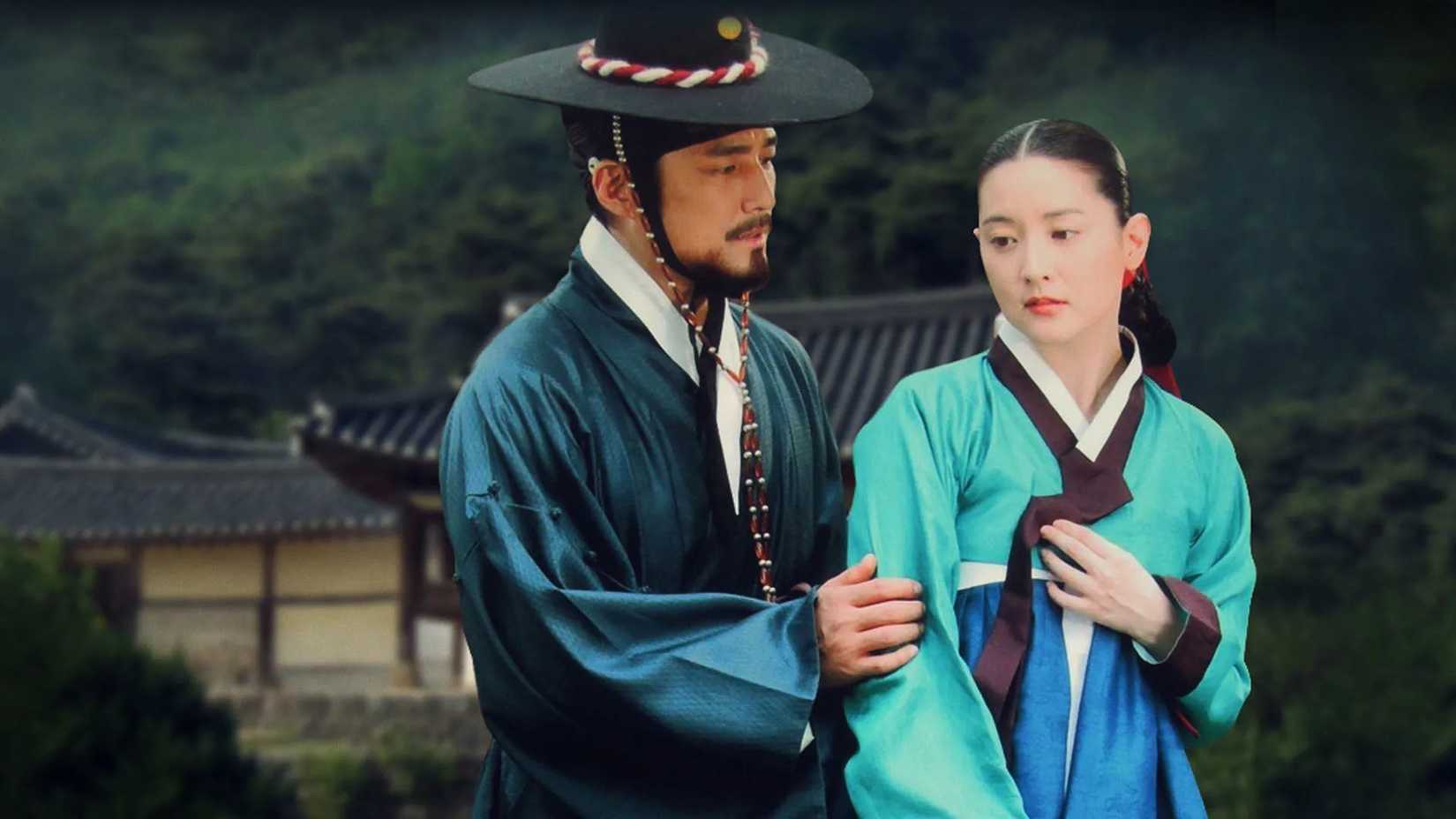
Nearly two decades later, Jewel in the Palace’s production style may reveal its age, but its message doesn't. Set during the Joseon Dynasty, the drama follows Jang Geum from childhood as she enters the royal palace and learns the demanding traditions of court cuisine. After suffering betrayal and being forced away from the royal court, Jang Geum eventually pursues medicine. Her journey from royal kitchen apprentice to palace physician gives the series an unusually broad narrative.
Durig the Joseon Dynasty, women becoming physicians wasn’t exactly a common vocation. Through hardwork and determination, Jang Geum paved the road necessary to dismantle those prejudices. The royal kitchen sequences are also a major reason the series remains visually and culturally fascinating. The K-drama takes viewers into the elaborate world of Joseon court cuisine, showing the preparation of dishes, the importance of ingredients, and the strict rules governing food served to the royal family.
My Mister (2018)

Many K-dramas are built around characters pursuing extraordinary dreams, but My Mister stands out because it is interested in people who are trying to make it through another day. The Korean drama chronicles the lives of two people: Park Dong-hoon, a middle-aged structural engineer who appears to have a stable life but is quietly struggling with professional pressure, and Lee Ji-an, a young contract worker at his company who is dealing with poverty and debt.
My Mister is a heavy series. It is not a K-drama that holds its audiences' hands and promises that everything will be okay by the end of the day.
My Mister is a heavy series. It is not a K-drama that holds its audiences' hands and promises that everything will be okay by the end of the day. The Korean drama understands that adulting can be exhausting, which is why it's refreshing that Dong-hoon and Ji-an’s relationship doesn’t develop into a romance that is meant to smooth all its rough edges.
SKY Castle (2018–2019)

SKY Castle is one of the most successful K-dramas of the past 10 years. At the center of the series are several mothers who become obsessed with their children's academic futures. Their competition escalates when they encounter Kim Joo-young, an elite admissions coordinator with an extraordinary track record of getting students into top universities.
SKY Castle has aged well because the show’s subject matter hasn't become obsolete. The K-drama examines a culture where academic achievement can determine a young person's perceived future, while parents become desperate to give their children every possible advantage. Even viewers who aren't familiar with the Korean education system can understand the underlying pressure. The fear of failure, comparison with other families, and anxiety about whether your child is "successful enough" are universal.
KioskNews shows a cleaned-up reading view extracted from the publisher’s page — the original always lives on their site, not ours.