Nvidia, OpenAI CEOs among tech titans joining Xi Jinping at White House dinner
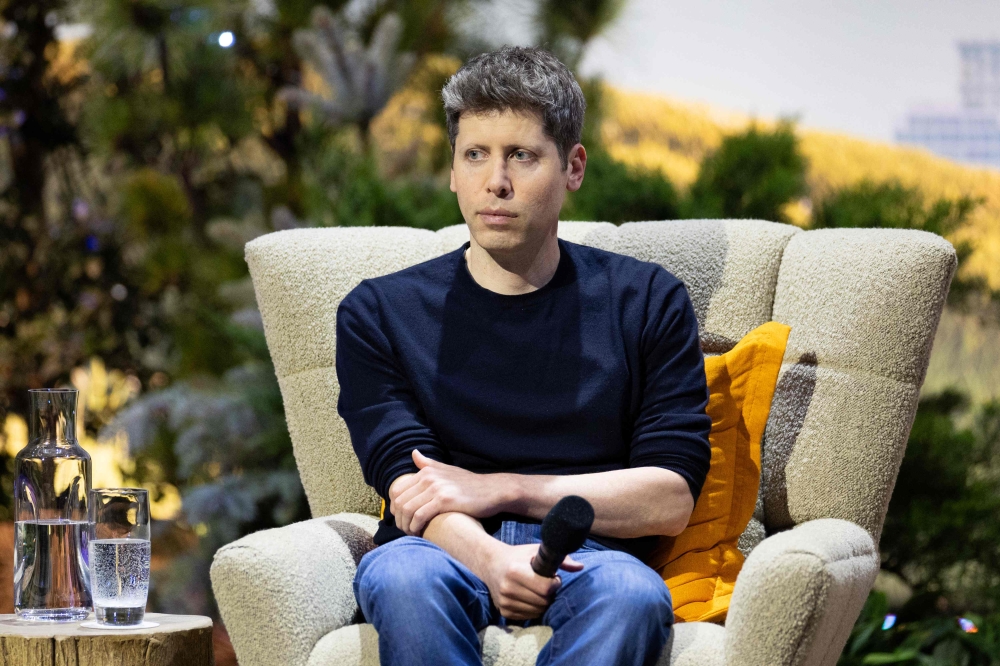

OpenAI CEO Sam Altman speaks with Salesforce CEO Marc Benioff at the Dreamforce conference in San Francisco, California, on September 15, 2026. — AFP pic
First Published: Saturday, 19 Sep 2026 9:28 AM MYT
WASHINGTON, Sept 19 — Nvidia boss Jensen Huang and OpenAI chief executive Sam Altman are among tech leaders expected to attend a White House state dinner for Chinese President Xi Jinping next week, a US official said yesterday.
“It’ll be a very popular and hot-ticketed event,” the official said on condition of anonymity, adding that Amazon founder Jeff Bezos, SpaceX and Tesla chief Elon Musk, Apple head Tim Cook and Google CEO Sundar Pichai will also attend.
Their presence comes as artificial intelligence is set to loom large in the talks between the two leaders, with the US and China the two dominant powers in the AI race.
The AI debate in the US remains dominated by the idea that the country’s leading developers — OpenAI, Anthropic, Google and Meta — cannot afford to slow their pace of innovation, whatever the risks, for fear that China will pull ahead.
China, long seen as trailing the US on cutting-edge AI, has been closing that gap fast.
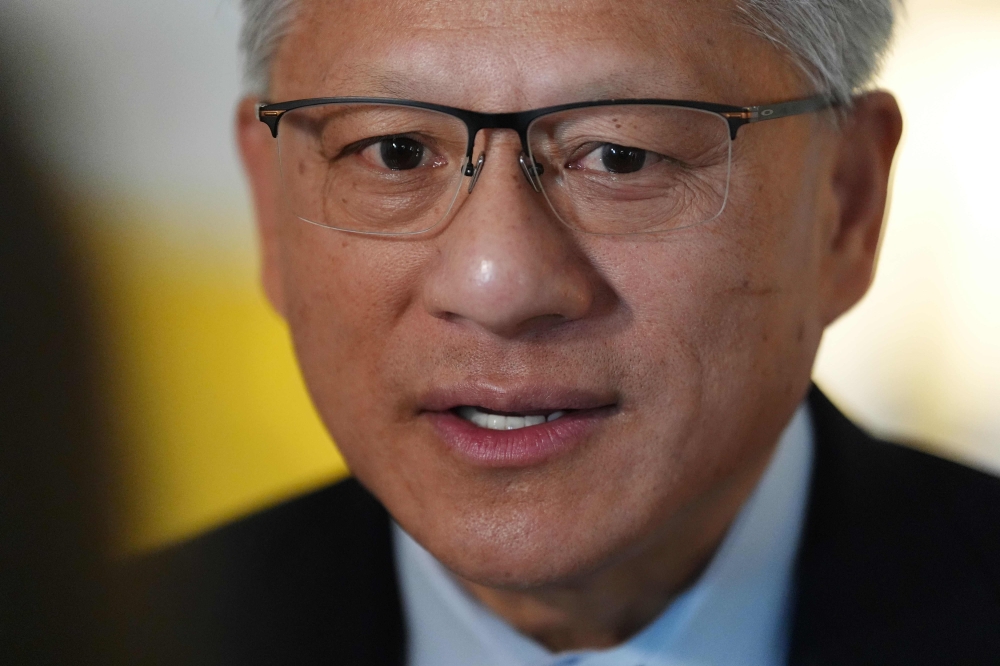
Nvidia chief executive Jensen Huang records an interview ahead of an AI conference at Dumfries House in Cumnock, Scotland, on September 17, 2026. — AFP pic
Washington has long tried to slow China’s progress with export controls on the advanced chips needed for cutting-edge AI, blocking access to top-end US semiconductors such as those made by Nvidia.
Despite their bitter rivalry, hope remains that the two superpowers can agree on something regarding the technology when the leaders meet in Washington.
But anything ambitious, such as agreeing to slow development or craft global safeguards, is likely out of reach.
The call for safeguards has been amplified by dire warnings from industry insiders about the threat the technology poses to humanity.
Jacob Coxon, a former AI researcher at Anthropic, set off the latest round of alarm by describing how those building the technology “earnestly believe that it could kill us all by the end of the decade.”
Anthropic chief executive Dario Amodei published an essay soon after urging caution and a slowdown in development.
Altman and Musk lent their support to that idea, as did Google DeepMind’s Demis Hassabis, who himself has called for a US-led global regulatory body for the technology.
US President Donald Trump this week dismissed fears over AI as a hoax and is urging American AI companies to keep advancing to stay ahead of China.
According to analysts, Chinese policymakers have been more focused on immediate risks, from deepfakes to child safety.
However, the country’s spy agency chief warned this week that the technology could jeopardise national security. — AFP
KioskNews shows a cleaned-up reading view extracted from the publisher’s page — the original always lives on their site, not ours.