Hong Kong’s new Huanggang Port quiet ahead of expected holiday rush
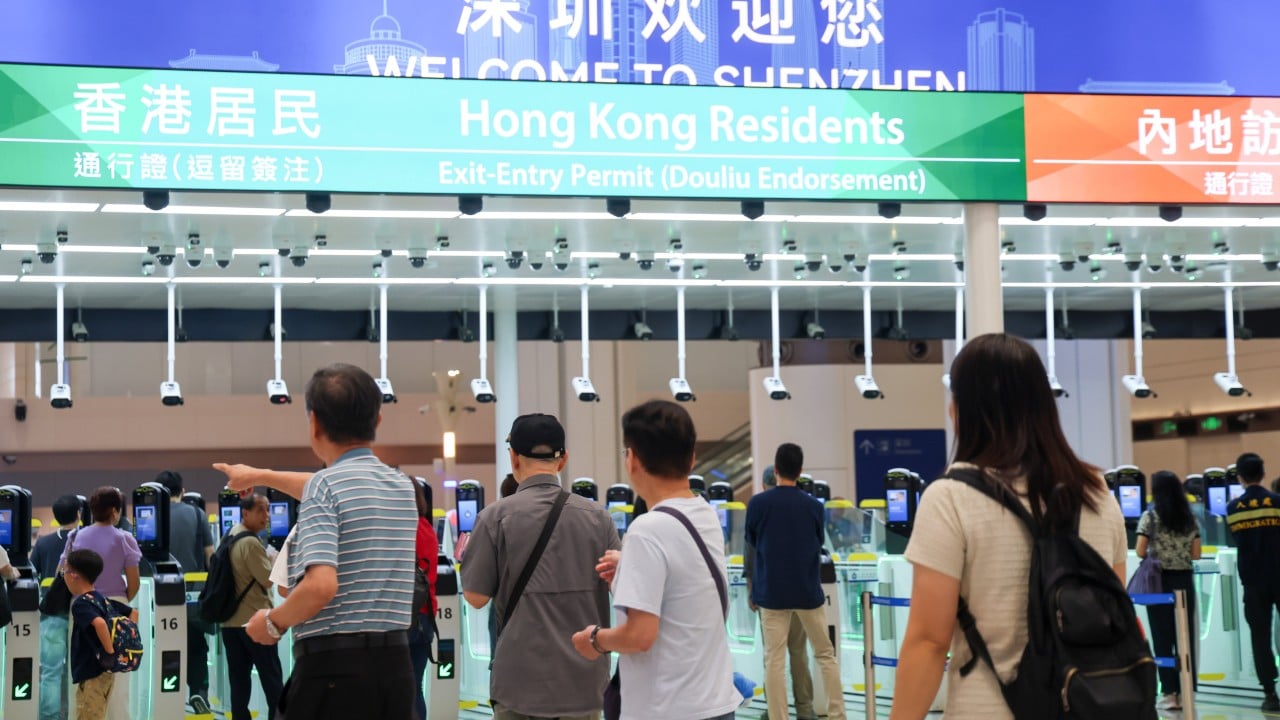
Hong Kong’s newly revamped Huanggang Port is expected to handle more than 100,000 passenger trips a day over the three-day Chung Yeung Festival holiday, but its departure hall remained quiet on Saturday morning.
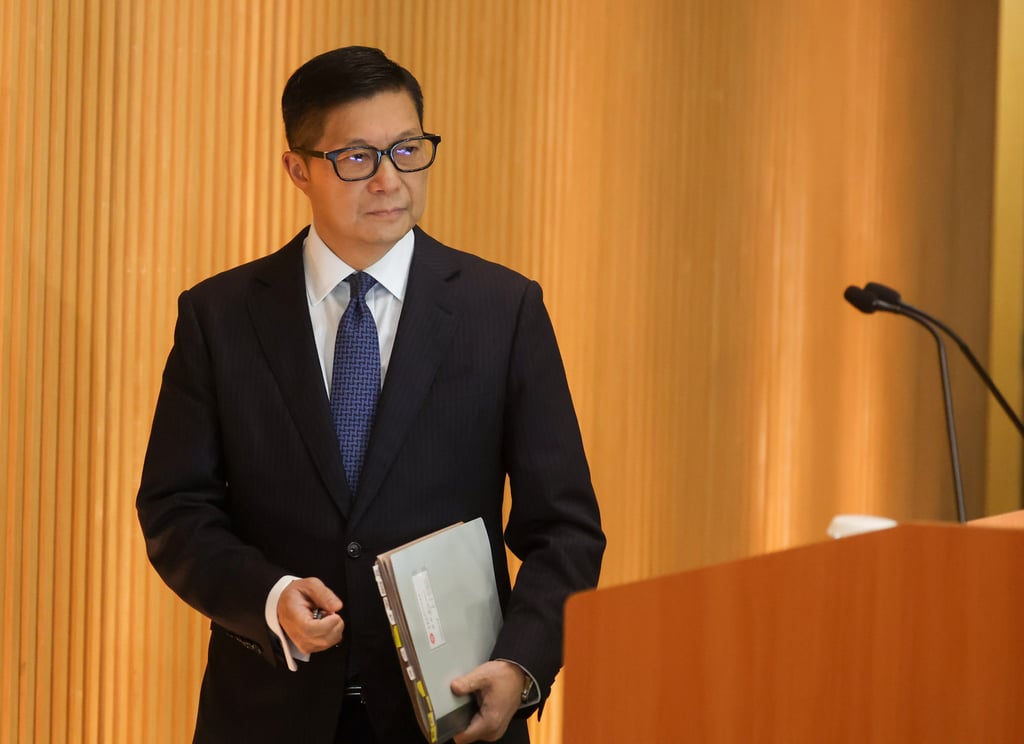
Secretary for Security Chris Tang Ping-keung said the port had operated smoothly since opening on Monday, handling about 80,000 passenger trips a day, with the figure exceeding 92,000 on Friday.
That represented a 1.5-fold to almost twofold increase from the 30,000 to 40,000 trips recorded before reconstruction, he said. Meanwhile, passenger trips at the Lo Wu and Lok Ma Chau control points fell by between 3 and 7 per cent.
“As we already saw over 90,000 trips on Friday, I believe we would inevitably have over 100,000 trips during the peak [of Chung Yeung Festival holiday],” he said.
“We have the capacity to handle it, as the maximum capacity of the new port is at least 200,000 [trips].”
Tang said the authorities would deploy additional staff to allow all automated and manual clearance channels to open whenever needed. Staffing would also be increased at public transport pickup and drop-off points to prevent congestion.
He said waiting times were generally less than five minutes and no more than 15 minutes, with passengers often able to pass through the control point with almost no wait.
“While the duration is roughly the same as before, we need to consider that the passenger volume has more than doubled … and you just need to undergo one inspection to enter the mainland, without queuing again for a second check,” he said.
“If you look at it this way, the overall efficiency has effectively increased by at least fourfold, meaning it is four times as fast.”
Tang added that 300,000 residents had registered for “joint clearance” through a dedicated mobile app. The arrangement allows passengers to complete both departure and entry procedures by presenting the identity document required at their destination and passing through a three-gate automated channel.
A South China Morning Post reporter at Huanggang Port on Saturday morning saw travellers arriving by bus from across Hong Kong move swiftly into the departure hall, with almost no queues at the automated border control gates.
Hong Kong resident Yan Li, who usually visits Shenzhen about twice a month, said she had chosen Huanggang Port because the bus journey from Tai Wo Hau, with a change at Tai Lam Tunnel, was faster and cheaper than travelling via Lo Wu.
“My trip today cost HK$12.5 (2 US cents) and took me 45 minutes, compared with me using the Lo Wu port, which would be HK$48 and would take up to 80 minutes,” the trading professional in her thirties said, adding that the journey had been smooth overall.
Medical professional Michael Leung, a Hong Kong resident in his thirties, said he visited the mainland about once a month with his girlfriend or friends, usually staying in Shenzhen for food and massages.
“When borders first opened after the pandemic, we were drawn by good value for money on the mainland compared to Hong Kong, but that is not as pronounced any more because of the strengthened exchange rate,” he said, adding that he typically spent about HK$1,000 on a day trip to Shenzhen and usually tried restaurants or massage parlours he had not visited before.
“We go because it feels like a small getaway now.”
Secretary for Culture, Sports and Tourism Rosanna Law Shuk-pui said on Saturday that rising fuel prices had posed a challenge to Hong Kong’s tourism sector this year by affecting short-haul visitor numbers.
She added that arrivals from Southeast Asia had declined.
“But visitor numbers from the mainland and long-haul markets remain favourable as they are attracted by many mega-events in Hong Kong,” she said.
“Since we have many upcoming mega-events, which will bring in a large number of visitors towards the end of the year, I am confident that the total number of visitors for the full year will reach 53.8 million as expected.”
Law said the opening of the new Huanggang Port on Monday was a positive development, giving tourists another crossing option and greater convenience.
“As the new Huanggang Port operates 24 hours a day, visitors would no longer feel rushed to return to the mainland; they can stay longer to eat or dine after concerts,” she said.
KioskNews shows a cleaned-up reading view extracted from the publisher’s page — the original always lives on their site, not ours.