FSSAI orders recall of Everest cumin powder: What to do if you have used affected batch
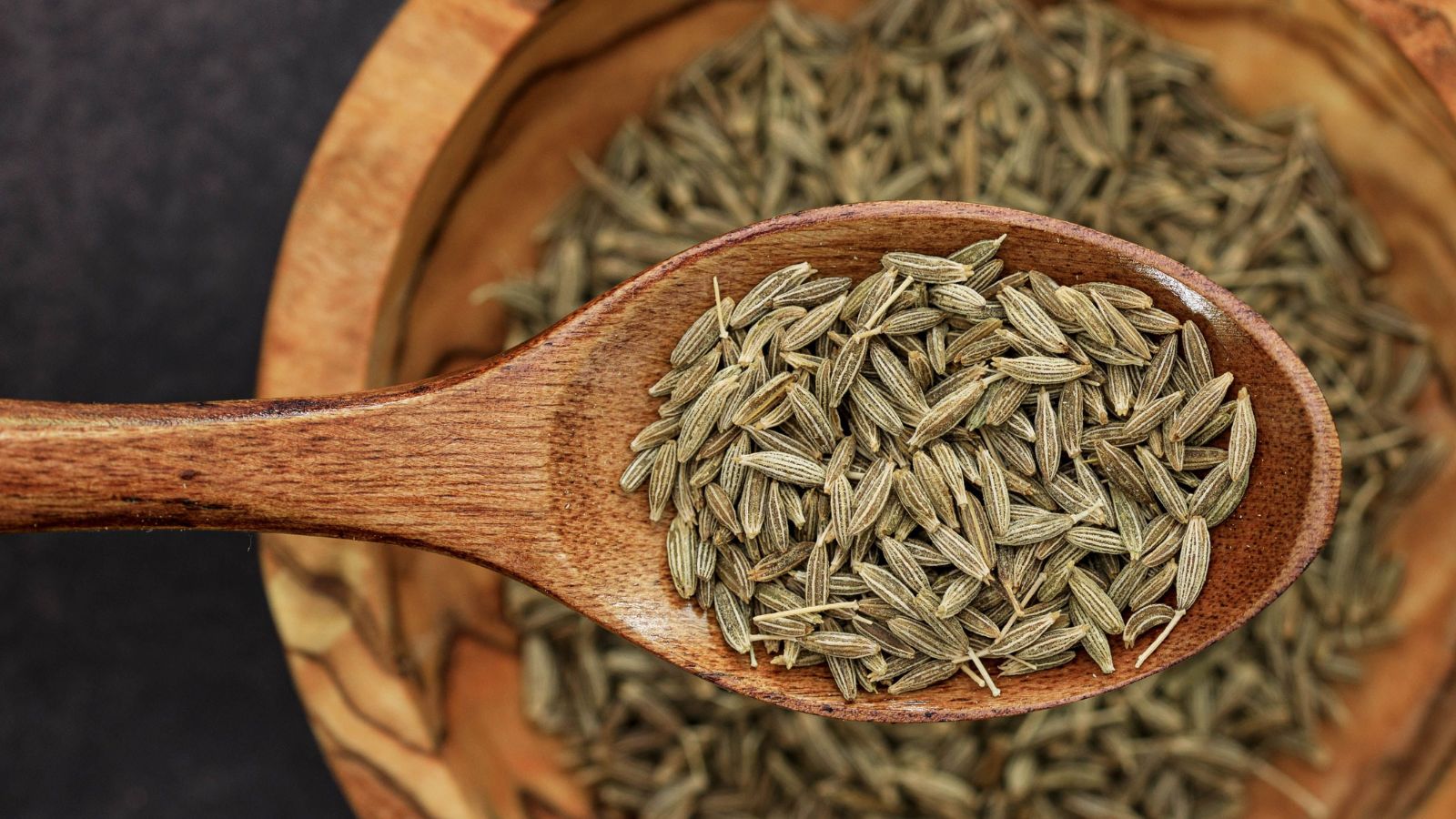
FSSAI continues to enforce strict regulatory compliance to safeguard consumer health across the country. On October 4, the Food Safety and Standards Authority of India recalled a batch of Everest cumin powder. On X, it wrote, “M/S Everest Food Products Private Limited has been directed to immediately recall Pre-packed Cumin Powder after tests declared the sample unsafe.”
2️⃣ Product Recall Order: M/s Everest Food Products Private Limited has been directed to immediately recall “Pre-packed Cumin Powder” after tests declared the sample “UNSAFE”.(2)2
#FoodSafety #FSSAINotice #FSSAIAction— FSSAI (@fssaiindia) October 4, 2026
The action follows laboratory testing that found pesticide residues above the prescribed limits. FSSAI has declared the affected batch of Everest cumin powder, Batch No. E080668761, unsafe after residues of Azoxystrobin and Thiamethoxam were found above permissible limits.
This is a food-safety concern related to a specific recalled batch and should not be interpreted as meaning all packaged cumin powders are unsafe.
DISCLAIMER: This article is based on information from the public domain and/or the experts we spoke to. Always consult your health practitioner before starting any routine.
What if you have accidentally consumed the product
Dr Chirag Tandon, Director, Internal Medicine, ShardaCare – Healthcity says, “Finding residues above the permitted limit does not automatically mean that someone who accidentally consumed the product containing residues of pesticides such as Azoxystrobin or Thiamethoxam will develop poisoning or immediate illness. So, it is important not to panic.”
The actual risk, he says, depends on the concentration, quantity consumed, frequency of exposure, and the person’s age and body weight. EFSA assesses pesticide exposure using both acute and chronic dietary exposure models.
However, if a product contains pesticide residues above the prescribed limit, you should stop using that batch.
“Repeated or higher exposure is more concerning. Thiamethoxam belongs to the neonicotinoid group of insecticides, while Azoxystrobin is a fungicide. Their presence above the permitted residue level does not by itself establish that a person will experience symptoms, and consumers should not assume that headaches, nausea or other nonspecific symptoms are necessarily caused by the spice,” Dr Tandon explains.
Story continues below this ad
If a person has consumed a recalled product once, the sensible approach is to discontinue its use and avoid further exposure rather than attempting to induce vomiting or undertake a ‘detox’.
However, Dr Tandon says that if anyone develops significant or persistent symptoms after suspected pesticide exposure, or has consumed a large quantity of the affected product, they should seek medical advice and provide the product packaging or batch details if available. Children and people with other vulnerabilities warrant particular caution because dietary exposure is assessed by body weight.
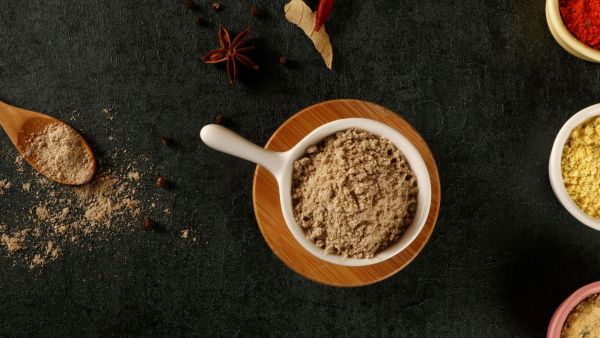 A recalled batch of Everest cumin powder was found to contain pesticide residues above prescribed limits. (Image Source: Pexels)
What should consumers check?
From a consumer perspective, checking the label is one of the simplest precautions. Before using a packaged spice, check the brand, batch or lot number, manufacturing and best-before dates, FSSAI licence details, and the integrity of the packaging. Avoid damaged, tampered, or poorly sealed packets.
Consumers should also check official FSSAI recall information when a particular product or batch has been flagged.
Story continues below this ad
When it comes to powdered spices, adulteration is another major concern.
Dr Tandon says, “This is because grinding makes it difficult to identify what has been mixed into the product. FSSAI guidance notes that cumin may be adulterated with substances such as coloured grass seeds, while powdered spices can contain fillers such as starch, flour, sawdust or other cheaper materials.”
DISCLAIMER: This article is based on information from the public domain and/or the experts we spoke to. Always consult your health practitioner before starting any routine.
KioskNews shows a cleaned-up reading view extracted from the publisher’s page — the original always lives on their site, not ours.