Experts give verdict on what under-50s need to do now to help avoid cancer as rates surge
Cancer cases have risen sharply among young people in England, major research by the World Cancer Research Fund has revealed.
Seven types of cancer; bowel, prostate, kidney, womb, liver, pancreas and breast cancers have all risen among adults in the under-50s age bracket.
While the majority of cases are still found in older adults, the charity stated that the current trajectory is "concerning".
The number of people under 50 diagnosed with prostate cancer in England has quadrupled from 158 cases in 2001 to 640 cases in 2023, the equivalent of 3.6 cases per 100,000.
Some 510 adults under 50 were diagnosed with kidney cancer in 2001 compared to 1,065 in 2023, while womb cancer also increased from 335 cases in 2001 to 698 in 2023.
Experts believe the figures reflect the growing obesity epidemic, poor diets and insufficient exercise, as well as an increase in earlier diagnosis.
Here, the Independent asks experts what the under 50s can do to cut their risk of cancer.
Eat a healthy balanced diet
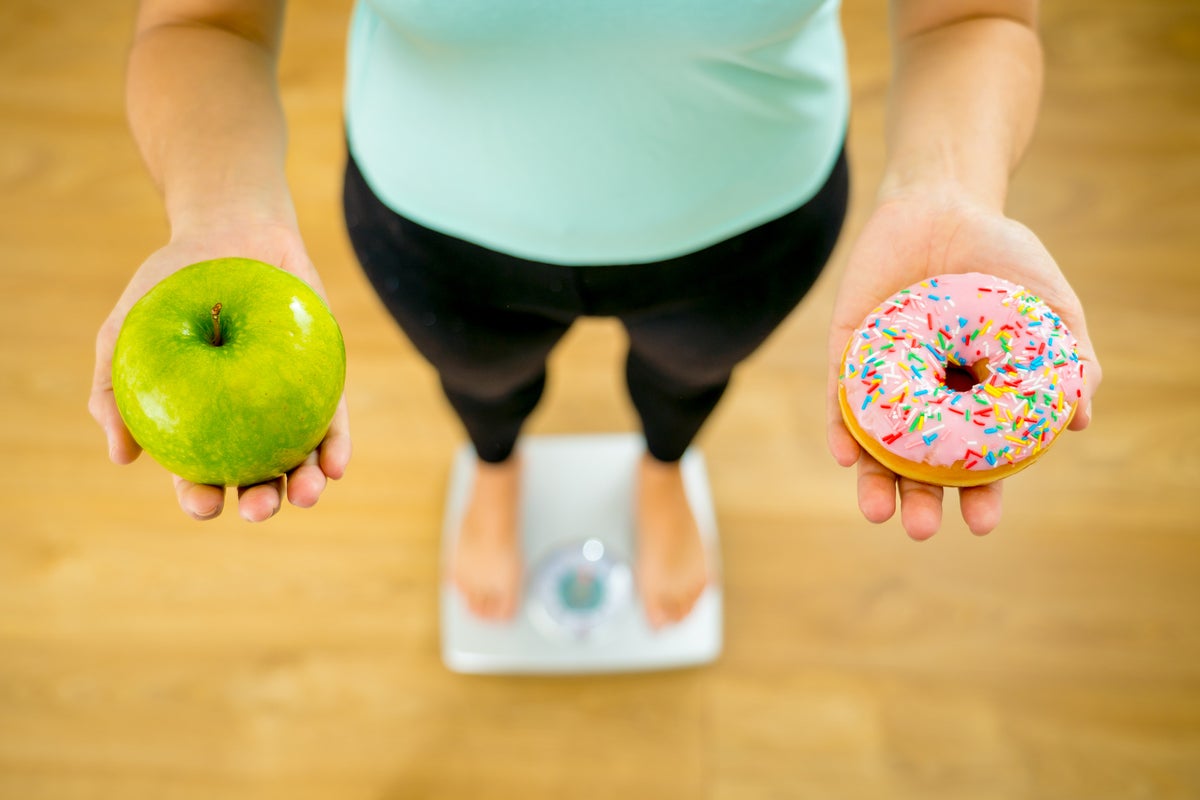
A healthy diet can help cut the risk. While this is partly due to the extra nutrients it provides, it’s also because a balanced diet helps maintain a healthy weight.
Cancer Research stresses that eating high-calorie food, sugar and fat, can lead to weight gain and being overweight increases the risk of at least 13 different types of cancer.
Dr Asiya Maula, a private GP at The Health Suite, suggested adding more fibre to help reduce the cancer risk.
“Adding beans, lentils, vegetables, fruit, oats and wholegrains to meals can increase fibre intake while also providing a range of nutrients,” Dr Maula said.
Foods that are high in fibre help you poo more often, and keep the gut healthy, Cancer Research UK explains. This reduces cell damage in the bowel, which means bowel cancer is less likely.
Reducing the amount of red and processed meat can also lower the risk of bowel cancer. That’s because they contain substances that can damage the bowel.
Nitrates and nitrites are chemical preservatives used to keep meat fresh, but when we eat them they become N-nitroso chemicals (NOCs) which can damage cells. Haem, a molecule which helps carry oxygen around the body in humans and some animals, is also found in red meat. But when eaten this also breaks down into harmful NOCs.
Exercise and move daily
Incorporating exercise into daily life by going for a walk, run or swim is vital for helping to reduce the risk of cancer.
The NHS recommends adults aim for at least 150 minutes of moderate activity a week, or 75 minutes of vigorous activity, alongside strength exercises. Physical activity can help maintain a healthy weight and is associated with a lower risk of several cancers.
Dr Maula said: “You do not need to become a marathon runner. Walking, cycling, swimming, dancing or simply breaking up long periods of sitting all count.
“The important thing is to make movement a normal part of your week rather than something you only do when you are trying to lose weight.”
Being active not only helps maintain a healthy weight, it also helps to reduce inflammation. Too much inflammation can cause our cells to divide more often, increasing cancer risk, according to Cancer Research UK.
Alcohol is not risk free
While the NHS recommends drinking no more than 14 units of alcohol a week, there is no completely risk-free level of alcohol.
It causes at least seven types of cancer, and the less alcohol you drink, the lower your cancer risk.
Dr Maula said: “Having several alcohol-free days each week, reducing the amount you drink and avoiding binge drinking are all sensible steps.”
Cancer Research UK explains when we drink alcohol, our bodies turn it into a chemical, called acetaldehyde. Acetaldehyde can damage our cells and can also stop cells from repairing this damage.
Quit smoking
If there is one habit to prioritise stopping, it is smoking.
Dr Lucy Hooper, private GP and co-founder of Coyne Medical, stresses that “stopping smoking is probably the number one thing you can do for your health”.
Smoking causes at least 16 different types of cancer and is the biggest cause of lung cancer in the UK, and worldwide.
Cigarette smoke contains over 5,000 chemicals and many of these are harmful and, according to Cancer Research UK, at least 70 can cause cancer.
Visit the GP
Attending cancer screenings and getting unusual symptoms and lumps checked out are vital for catching cancer early.
Even in people under 50, a persistent change in health should not automatically be blamed on stress, ageing, diet or being “too young” to have cancer.
Dr Maula said: “If something is persistent, unusual for you or getting worse, speak to your GP. Most symptoms will not turn out to be cancer, but you should not have to decide that for yourself.”
Dr Hooper also stresses the importance of regular screening.
“Attend your cervical, breast and bowel screening appointments or complete your bowel screening kit when invited, if you’re eligible,” she said.
“Cervical screening can identify changes before cancer develops. Bowel screening can lead to the removal of precancerous polyps. These two programmes can therefore reduce your future risk of cancer as well as help detect it earlier. Breast screening aims to identify cancer at an earlier stage,” she added.
KioskNews shows a cleaned-up reading view extracted from the publisher’s page — the original always lives on their site, not ours.