Meloni toughens Italy protest laws: Teen detentions, parental liability, 5-year jail
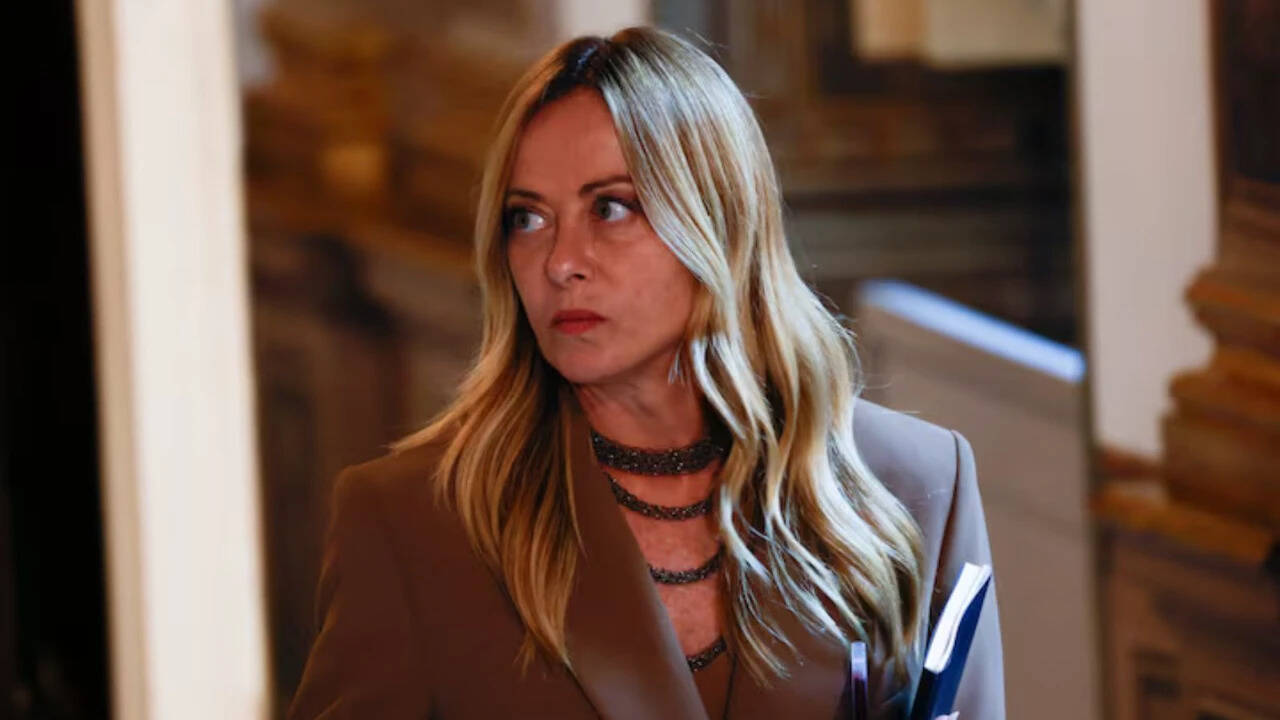
Italy’s PM Giorgia Meloni introduces tougher protest laws, including teen detentions, parental liability for damage and up to five years in jail for rioters
Italian Prime Minister Giorgia Meloni's government has approved tougher security measures targeting protest-related violence, including prison terms of up to five years, fines of up to €20,000 and financial liability for parents whose children engage in vandalism or looting.The measures, which took effect immediately on Tuesday, follow weekend unrest in northern Italian cities, including Milan, where groups of mainly young people smashed windows, looted shops and attacked police.Under the new rules, people participating in groups of at least five who endanger public safety during demonstrations can face up to five years in prison and a maximum fine of €20,000 ($22,460). Penalties can increase if protesters conceal their faces or injure others.Authorities can also order compensation for damage caused during unrest, with parents held financially liable when their minor children are responsible.The decree further allows police to detain young people aged 14 to 17, even if they have not committed a crime, if there is evidence they pose a danger. Previously, this power applied only to adults.“There is nothing revolutionary about vandalising and stealing.
Vandalism and theft are not protest, they are criminality,” Meloni said on social media while announcing the measures.The government has also announced the deployment of 500 army troops alongside police in Milan until the end of 2026. The troops will help secure key sites, monitor sensitive locations and strengthen surveillance, the defence ministry said.
Meloni faces pressure over unrest and rising prices
The security crackdown comes as Meloni's government faces protests on multiple fronts.
In southern Italy, truck drivers angered by rising diesel prices and the cost of living have staged roadblocks, disrupting supply chains. Some pasta manufacturers have halted production, while agricultural groups have warned that fruit and vegetables could go to waste.The government has promised additional aid for road hauliers following talks with industry representatives.Meloni, who has introduced a series of security measures since taking office in 2022, has faced criticism from opponents who argue that tougher penalties do little to address the underlying causes of crime and disorder.
Government data shows Italy's prison population has risen by more than 17% over four years, an increase of nearly 10,000 people.Acknowledging the economic difficulties facing households, Meloni said hardship could not justify violence.“We know what it means to look for a job, to earn an insufficient wage, and to see no prospects for the future ... but hardship must never be used as an excuse for violence,” she said on Tuesday.With national elections due in 2027, protests over both public order and the rising cost of living present a challenge for the government.
KioskNews shows a cleaned-up reading view extracted from the publisher’s page — the original always lives on their site, not ours.