Hong Kong private healthcare providers face new rules to make fees more transparent
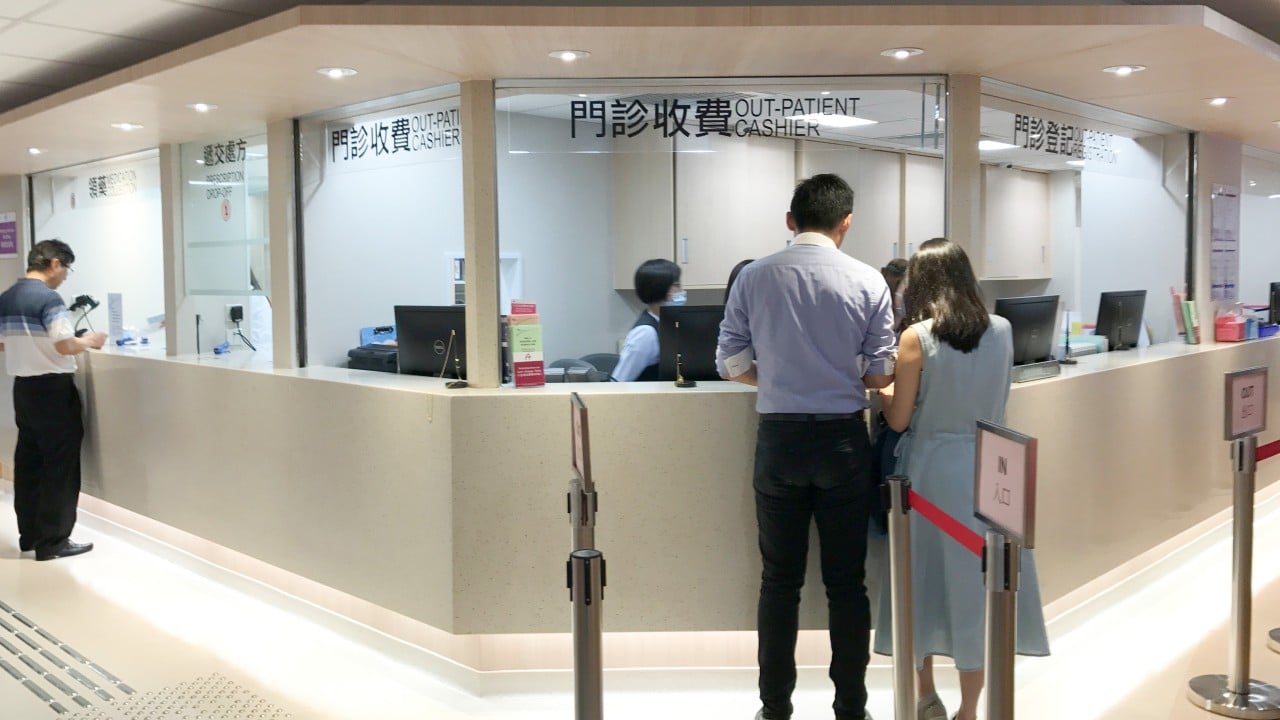
Private healthcare providers in Hong Kong will have to make their charges more transparent under government measures to be introduced from August next year at the earliest, including requirements to publish bilingual fee schedules and annual billing statistics.
The Health Bureau set out details of the proposed requirements for private hospitals and clinics in a document submitted to the Legislative Council on Thursday evening. The proposal was first floated in May last year.
The measures will cover price information, budget estimates and billing statistics.
“The government will introduce the regulation into the Legco by the end of the year and draw up the codes of practice, with a view to implementing the regulatory measures in phases starting from the second half of next year in an orderly manner,” the bureau said.
According to the timeline, the measures will apply to private hospitals from August next year at the earliest, followed by day procedure centres from November 2027 and clinics in mid-2028.
Under the proposals, all 14 private hospitals in the city, along with day procedure centres and clinics, will have to provide fee schedules in Chinese and English in a specified format. The schedules must describe all chargeable items and services and give either a fixed price or a price range for each.
The items will be grouped into 15 specified categories for private hospitals and 14 for day procedure centres and clinics.
Each facility must also clearly state whether additional charges apply for wards, operating theatres, medical procedure rooms or doctors’ services.
If a price cannot be provided in advance, for example because it depends on a patient’s condition, the facility must state that the information will be provided separately.
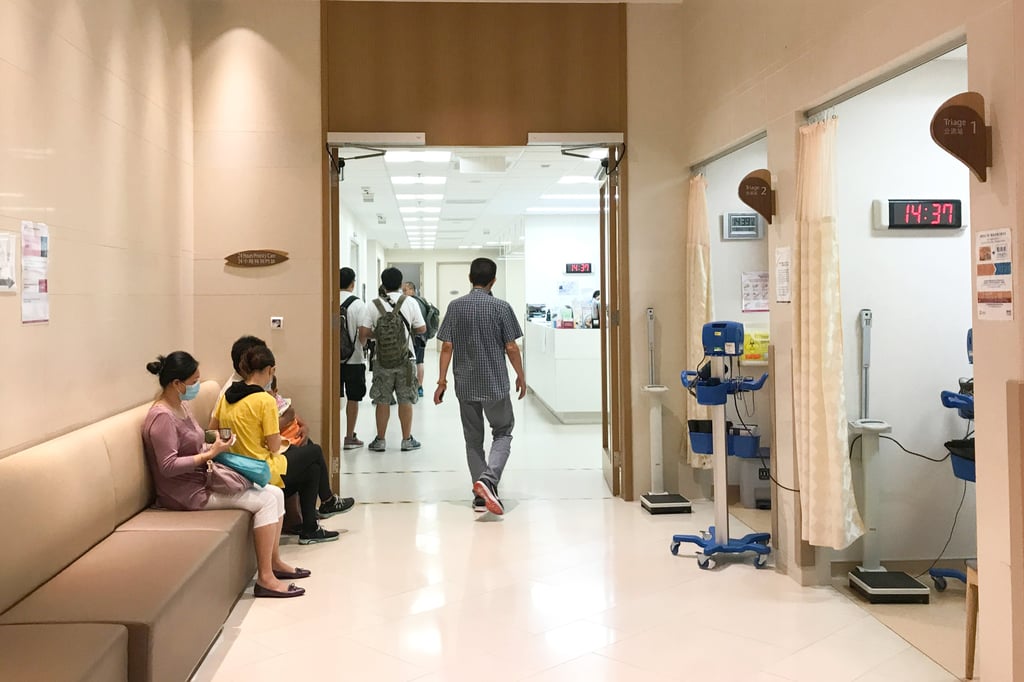
All facilities must make their fee schedules available in printed or electronic form at all reception and cashier counters. Private hospitals must also make them available at admission offices and nursing stations, and on their websites.
Facilities must publish revised fee schedules and notify the Department of Health at least seven days before any price changes take effect.
All private hospitals will also have to provide patients with budget estimates in a specified format before admission, unless booking confirmation is issued no more than 12 hours beforehand. In such cases, hospitals will have to explain to patients why they cannot provide an estimate.
The estimates must cover both hospital and doctors’ fees.
If the final bill exceeds the estimate by 20 per cent or more, the hospital must provide the patient with a written explanation, a requirement the government had previously outlined.
“The purpose of setting the 20 per cent threshold is to ensure that patients are provided with an explanation when the final bill is significantly higher than the budget estimate, while avoiding the need for hospitals to provide explanations for ordinary charge variations,” the bureau said.
Private hospitals must also publish annual statistics on their fees and charges on their websites and submit them to the government.
Statistics on patients in standard beds who undergo a single treatment or procedure must be submitted to the government platform and published on hospital websites by March 31 each year. The figures must cover the previous calendar year.
“This requirement aims to ensure consistency in the data concerned in terms of the scope of treatments and procedures and ward class, thereby enhancing the comparability of statistics across different hospitals,” the bureau said.
Data submitted by private hospitals must be audited by a certified public accountant. If the audit cannot be completed in time, hospitals may submit and publish unaudited statistics by March 31.
KioskNews shows a cleaned-up reading view extracted from the publisher’s page — the original always lives on their site, not ours.