Is Russia’s seizure of Japan Tobacco assets the last straw for Tokyo amid frosty ties?
Russia’s seizure of the assets of a Japanese company could prove to be Tokyo’s red line after a series of bitter exchanges between both nations and ties that continue to spiral.
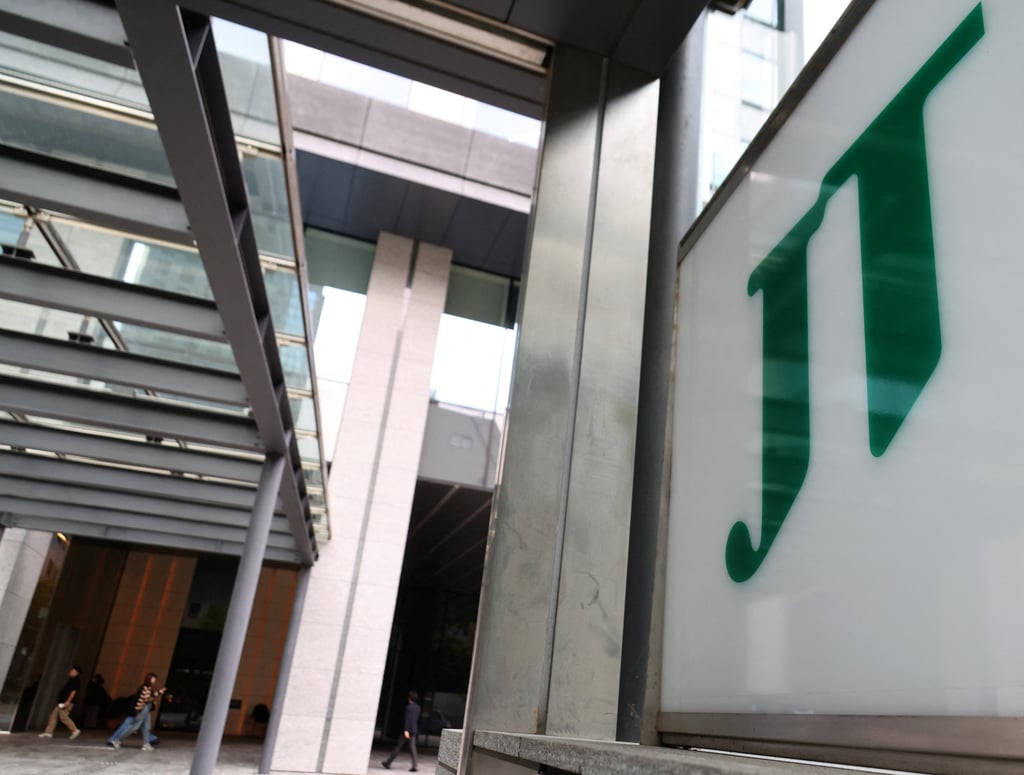
The Japanese government on Friday lodged a formal complaint with Russia and demanded that Moscow immediately reverse a decree announced the previous day that transferred the assets of Japan Tobacco International (JTI) to Russian control.
Analysts say the decree, signed by Russian President Vladimir Putin, is likely a calculated decision by Moscow, given that the Japanese government holds more than one third of the stocks in the company.
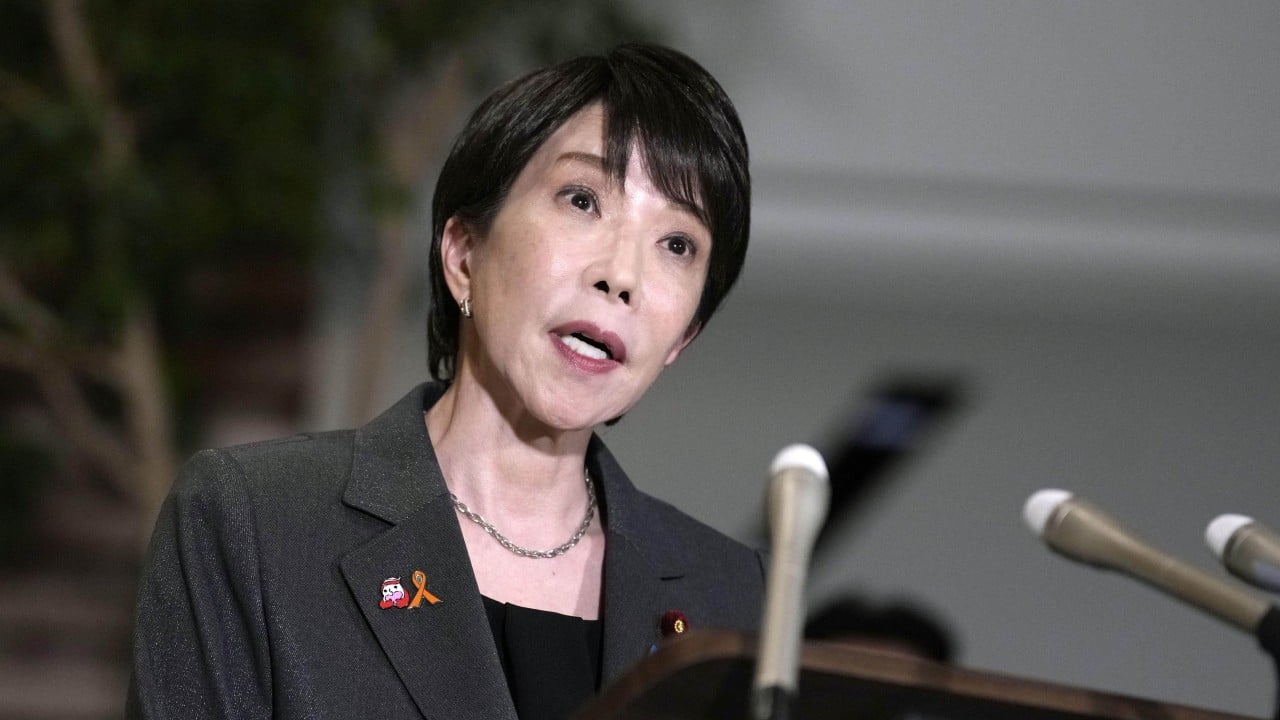
They suggest that Moscow’s latest action could force Prime Minister Sanae Takaichi to finally adopt a more resolute position.
“Overall, this is quite a surprising move by Moscow because JTI has done everything in its power to keep Russia happy,” said James Brown, a professor of international relations specialising in Russian affairs at Temple University’s Tokyo campus.
“They have stayed in the market when a lot of foreign companies left very soon after the Russian invasion of Ukraine and they are big taxpayers, to the extent that Ukraine has blacklisted the company,” he told This Week in Asia.
“In that situation, most countries would try hard to cultivate the relationship and show that their investments are safe, but Russia is doing the opposite and using JTI for foreign policy leverage.”
Friction between the two governments has clearly worsened since the spring, according to Brown, when Tokyo announced it would start contributing to the Prioritised Ukraine Requirements List to support Kyiv and send Self-Defence Forces personnel to Nato headquarters in Europe.
Putin responded by visiting one of the disputed islands off the far north of Hokkaido that Soviet forces seized after Japan’s surrender in 1945 and which Tokyo still claims.
Moscow further showed its displeasure by inviting Chinese business owners to the islands to develop the local economy and then demanding Dutch authorities hand over the Japanese head of the International Criminal Court in The Hague, who is the subject of a Russian arrest warrant.
Brown urged Japan to be “more assertive” after its diplomatic representations to Moscow were ignored.
“Takaichi has to state quite firmly that Japan will withdraw its ambassador to Moscow and warn that it will start to increase support for Ukraine – particularly air defence interceptors – if Russia does not back off. Japan can kick out embassy staff, particularly those identified as intelligence officers,” Brown said.
“Takaichi is meant to be Japan’s ‘iron lady’ so she needs to start showing it.”
02:27
Japan protests against Russia’s Vladimir Putin’s visit to disputed Kuril Islands
Tokyo’s initial reaction was a rebuke from Finance Minister Satsuki Katayama, who told a press conference that “Japan has repeatedly urged Russia to protect the legitimate interests of Japanese citizens and businesses”.
In a statement to This Week in Asia, JTI said, “The JT Group has continued its business operations in Russia in compliance with all applicable regulations and sanctions. However, we can confirm that, pursuant to a Russian presidential decree signed on November 5, among our entities in Russia, four manufacturing entities have been placed under temporary administration.
“The JT Group is currently gathering further information regarding this matter, considering the options available to the group and assessing the potential impact on the group.”
Tadashi Anno, a professor of politics at Tokyo’s Sophia University, argues that Japan has few meaningful ways to counter Russian pressure.
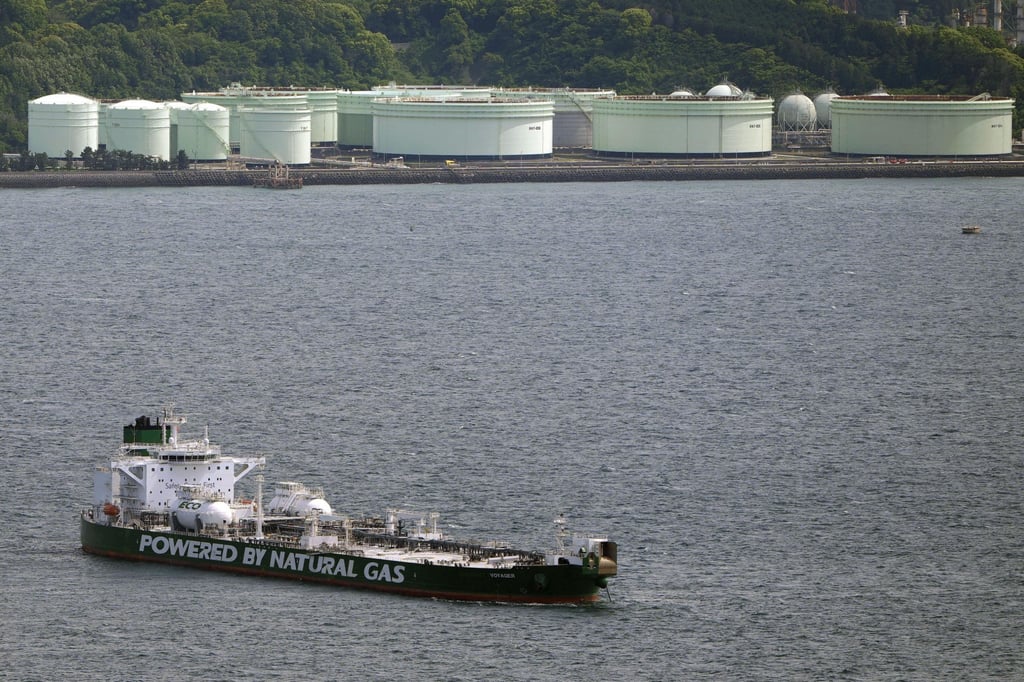
“Moscow has almost certainly calculated that Japan needs Russian oil and gas that comes out of the terminals on Sakhalin,” he said. “They may believe that with the situation in the Middle East still unsure that Japan will not push back hard again this time because cutting energy exports could be Russia’s next retaliatory move.”
Anno added that Tokyo was also concerned Moscow might be coordinating its approach to Japan with China and looking to take advantage of uncertainty regarding the future direction of US foreign policy following the midterm elections.
Toshimitsu Shigemura, a professor of international relations at Tokyo’s Waseda University, sees the sustained pressure on Japan as a tactic designed to convince Tokyo to halt support for Kyiv and lift the sanctions it imposed after the February 2022 invasion of Ukraine.
“Japanese people are very angry with Russia’s actions and want the war to end, but they do realise that Russia still has a lot of economic leverage,” he said. “While they feel that Moscow’s seizure of JTI assets is wrong, there are also many people who have been critical of the company staying there and making money, so they do not have a great deal of sympathy for JTI.”
Nevertheless, Brown believes the seizure of JTI assets is a strategic miscalculation that will ultimately hurt Russia.
“It’s not just Japanese companies, but any foreign firm that still has a presence in Russia is going to look at the example of JTI – which has done everything to stay on the right side of the Russian authorities – and see the consequences,” Brown said.
“I see this as a hugely self-defeating step. Russia should be desperate for foreign companies to stay, but this will convince more to leave … CEOs are going to remember how they were treated in Russia and they will think twice about returning.”
KioskNews shows a cleaned-up reading view extracted from the publisher’s page — the original always lives on their site, not ours.