Air in India’s capital ranked world’s most polluted on eve of Diwali
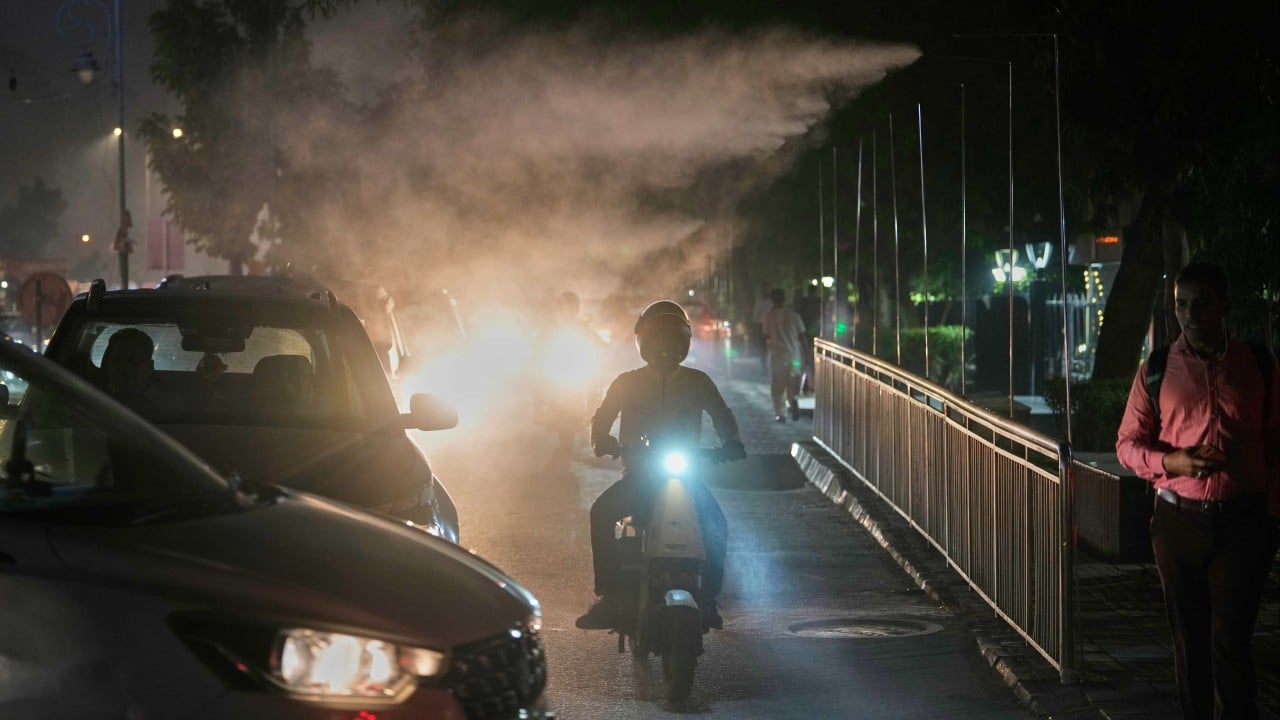
New Delhi ranked as the world’s most polluted major city on Saturday morning, according to Swiss group IQAir, as the Indian capital faced severe pollution forecasts a day before Diwali, the Hindu festival of lights.
India has ordered schools in and around Delhi to offer online classes and encouraged people to work from home ahead of Diwali on Sunday, which is usually marked by the widespread use of firecrackers that further worsen the air quality.
IQAir ranked Delhi first for air pollution among the world’s major cities at 10.35am, with a US air quality index reading of 581, double that of Lahore in neighbouring Pakistan, at 285.
The group’s reading, based on concentrations of air pollutants, is not directly comparable to India’s official index, which uses a different scale and methodology.
India’s Central Pollution Control Board put Delhi’s air quality index at 363 at 10am, in the “very poor” category.
Friday’s air quality in Delhi was the worst pre-Diwali air in eight years, local media said, citing official data.
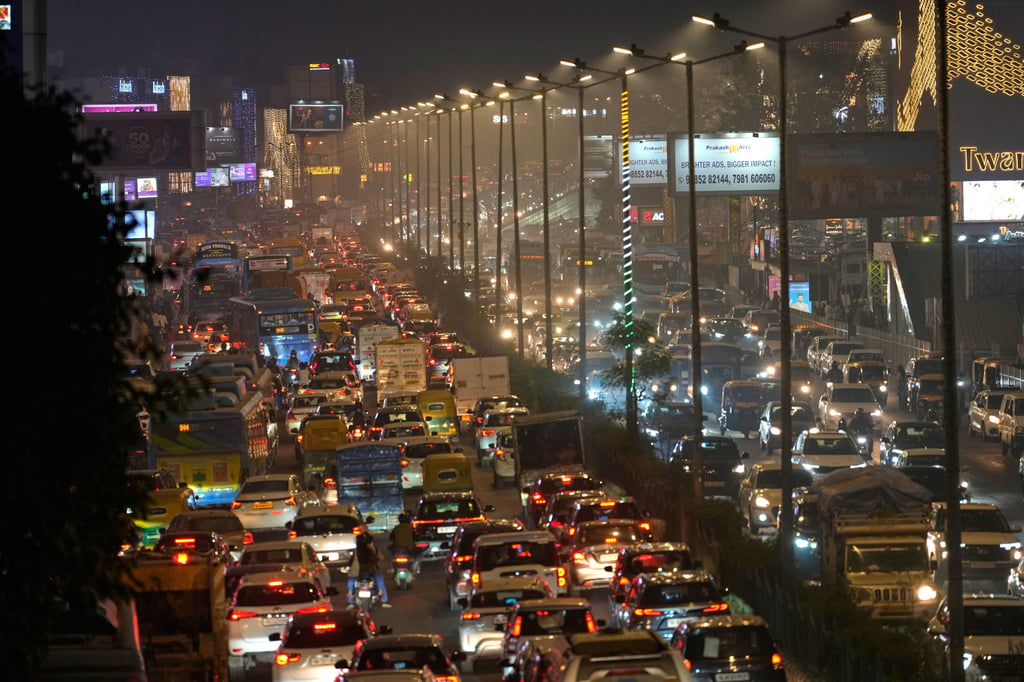
Across India, Pakistan and other parts of South Asia, traffic, factories, dust from construction and burning of crop residues and waste foul the air. Weak winds and stagnant winter air allow that pollution to build up.
“Poor air quality is our all-year-round problem in our country,” said Shweta Narayan, a public health expert at the Global Climate and Health Alliance. Narayan said firecrackers add to the problem.
In Delhi, city authorities have responded with temporary construction, industrial and vehicle restrictions. Public health experts said such measures often fail to address the root causes. The city of more than 20 million people is also implementing a long-term plan to promote use of electric vehicles.
Dr Arvind Kumar, a chest surgeon at Medanta hospital near Delhi and founder trustee of the Lung Care Foundation, recommended wearing a properly fitted N95 or N99 mask outdoors during periods of heavy pollution.
He said pollution could cause persistent coughing, inflame the airways and trigger asthma-like attacks. He also cited increased risks of pneumonia, heart attacks and strokes, while linking prolonged exposure to impaired lung development in children and lung cancer.
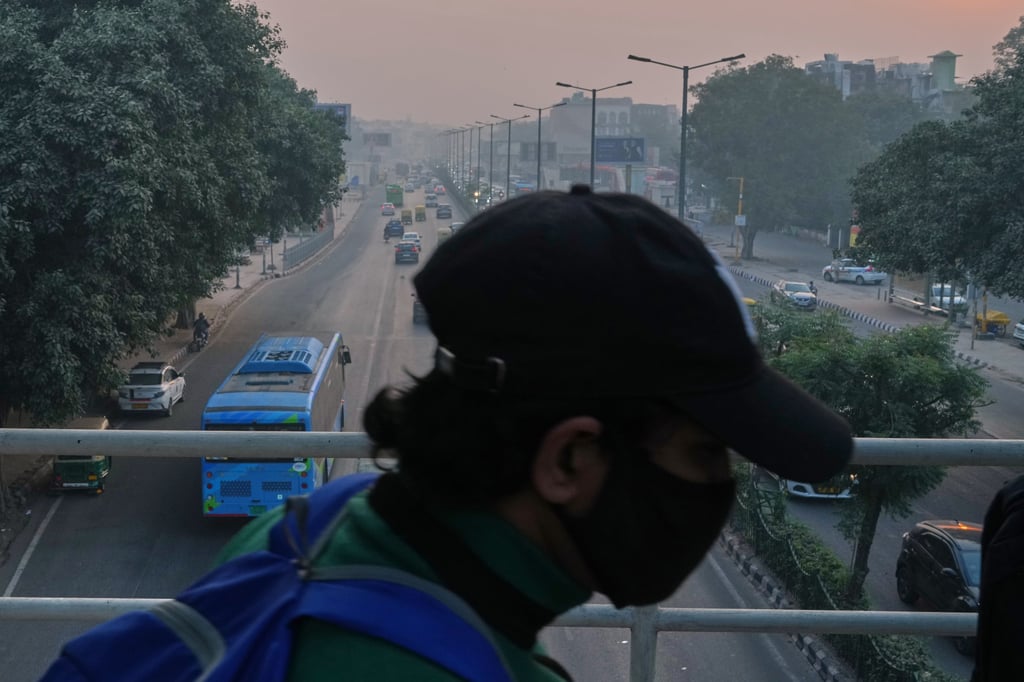
Kumar said people should avoid strenuous exercise outdoors during heavy pollution, including early mornings, when pollution levels can be high.
An estimated 1 billion people worldwide celebrate Diwali. When many households set off fireworks, their combined emissions can worsen air quality across neighbourhoods and entire cities, exposing people who are not taking part. Electric lights can be another way to celebrate Diwali, avoiding toxic gases and smoke from firecrackers.
“If one wants to celebrate and really enjoy the festival of Diwali, avoid bursting firecrackers,” said Narayan, the public health expert.
India’s health ministry also recommends reducing smoky cooking and using a kitchen exhaust that vents outdoors. Damp-mopping floors and wiping dusty surfaces, instead of dry sweeping, can avoid stirring up particles that worsen air quality.
Personal precautions have limits. Narayan said people who earn their livelihoods outdoors cannot simply stay home. Many families also cannot afford air purifiers.
She called for sustained action on pollution sources and affordable healthcare for those already suffering. Masks and filters can reduce exposure, but lasting protection requires governments to clean the air.
“It’s our responsibility to hold our governments accountable,” Narayan said. “There’s no other way about it.”
KioskNews shows a cleaned-up reading view extracted from the publisher’s page — the original always lives on their site, not ours.