Former Intel CEO on meeting AI chips demand: ‘Our greatest innovations are still ahead’
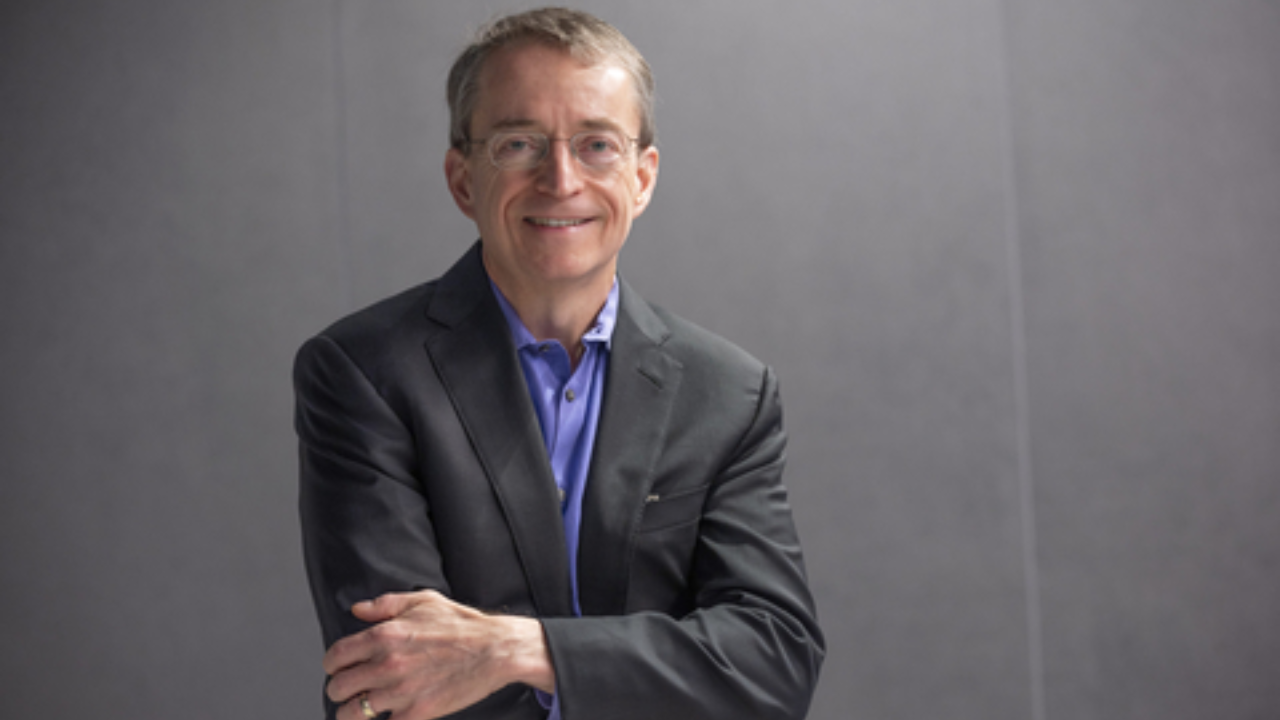
Former Intel CEO Pat Gelsinger has rejected the notion that chip scaling has reached a physical barrier, arguing that the accelerating needs of artificial intelligence (AI) require a huge 10,000x increase in computing efficiency, not just generational gains.
Speaking during a fireside chat titled “Reality Check: Beyond Chips” alongside technology theorist George Gilder and Heritage Foundation director Bret Swanson at the COSM Technology Summit 2026 in Scottsdale, Arizona, Gelsinger maintained that reviving Moore’s Law hinges on fundamental breakthroughs across five core engineering fronts.Following the summit, Gelsinger doubled down on his optimism on X, writing: “Is Moore’s Law dead? I say it’s time to wake it up!”
Power bottlenecks threaten AI data center growth
Gelsinger warned that gradual chip improvements are no longer enough to keep up with modern AI and compute demands, especially as severe power infrastructure limits become a major bottleneck for innovation.
Key pressure points straining the AI hardware rollout include sluggish grid growth as US energy capacity has grown only in the low single digits over the past decade, creating serious hurdles for hyperscale data centers – something that Elon Musk has repeatedly spoken about.Other things include long equipment wait times wherein new gas turbines face eight-year supply backlogs, while nuclear power projects take a decade to construct.
Next-generation hardware is driving electricity needs sharply upward, with NVIDIA’s Kyber racks- featuring the GPU maker’s Blackwell NVL72 architecture, pushing power demands to a mammoth 600kW.
Backing next-generation lithography, nuclear power and photonics
Since joining venture firm Playground Global as a general partner in March 2025, Gelsinger has actively invested in startups built to tackle these exact hardware and energy roadblocks. He has backed US government-supported lithography venture xLight, which is working to push past ASML’s 13.5nm extreme ultraviolet wavelength barrier.
His portfolio includes nuclear capacity firm Alva Energy to help address data center power shortages.“Great to join industry leaders at COSM to discuss AI's demand for a 10,000x leap in efficiency. Incremental improvements won't get us there. We need breakthroughs across light, power, cooling, composition and packaging,” he added.Despite skepticism from industry watchers who argue traditional Moore’s Law scaling has run its course, Gelsinger insisted that semiconductor engineering is entering a new era of multi-disciplinary breakthroughs.“After 40+ years in semiconductors, I believe our greatest innovations are still ahead!” Gelsinger said.
KioskNews shows a cleaned-up reading view extracted from the publisher’s page — the original always lives on their site, not ours.