The Guardian view on Lula’s comeback: a victory for Brazil and the world, as well as a Trump rebuff | Editorial

Luiz Inácio Lula da Silva’s win in Brazil’s presidential election is a triumph for him, his country and the world. The 80-year-old incumbent snatched victory from the jaws of defeat, blocked the rise of the far right and saved the planetary air-conditioning system of the Amazon from irreparable destruction. Known universally as Lula, he made history by becoming the first candidate to win a presidential run-off after finishing second in the opening round. In triumphing against Flávio Bolsonaro, the leftist stopped what could have been the most dangerous consolidation of authoritarian rule in Brazil since military rule ended. A Bolsonaro presidency could have used a rightwing Congress to extend presidential terms and pack the supreme court, entrenching power for generations.
Lula seemed to have been energised by his first-round defeat by Mr Bolsonaro. The three-time president initially pitted his extraordinary life and record against a 45-year-old senator married to controversy. But voters wanted answers to economic insecurity, rising prices and poor public services. Lula reversed course in the second round, offering immediate relief from everyday costs and indebtedness – including to the rising number of self-employed voters whom his rightwing opponent had been courting. Popular mobilisation transformed the runoff into a race to stop a Bolsonaro restoration with student protests, mass demonstrations and a 10 million-strong “Lula’s Army” WhatsApp channel. It seemed to work. Nearly 5 million more people voted in the second round of the Brazilian election than the first.
Mr Bolsonaro’s desperate refusal to concede follows his father’s playbook. In 2022 then-president Jair Bolsonaro did the same, claiming fraud. The elder Bolsonaro’s attempted coup saw him jailed for 27 years. This time Lula’s margin of victory – 4.4m votes – over the younger Bolsonaro was twice that achieved over the father. His win has also been recognised by rightwing regional leaders, conservative newspapers and even a prominent evangelical ally of the Bolsonaros. It may be significant that defeat denied Mr Bolsonaro a presidential shield from allegations of corruption and money laundering. Whether he remains in Brazil after his term as senator expires in February remains to be seen.
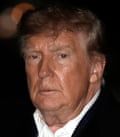
After the Bolsonaro clan, the next biggest loser from the results of the Brazilian election is Donald Trump. Lula’s win broke a run of seven rightwing presidential wins across Latin America, a regional advance for which Mr Trump had claimed credit. While rightwing leaders in Chile, Paraguay and Peru congratulated Lula on his victory, the White House remained silent. The US president has only himself to blame: he tried to use tariffs to pressure Brazil over the elder Bolsonaro’s prosecution and its courts’ enforcement actions against American tech companies. Mr Trump’s meddling handed Lula a winning argument for Brazil’s sovereignty.
Brazil remains divided, with a rightwing Congress ready to obstruct Lula – particularly on the environment. But few are better placed to negotiate than the former trade unionist who founded the Workers’ party. Lula’s victory provides an elected counterweight and that matters for labour rights, public services, Indigenous communities and global climate policy. The win shows the wider democratic left that a broad coalition can defeat the right. Can governing produce the secure livelihoods, strong state provision and meaningful opportunities that make that coalition durable? The next four years in Brazil may provide an answer.
KioskNews shows a cleaned-up reading view extracted from the publisher’s page — the original always lives on their site, not ours.