Why buy a streaming device when you have a smart TV?
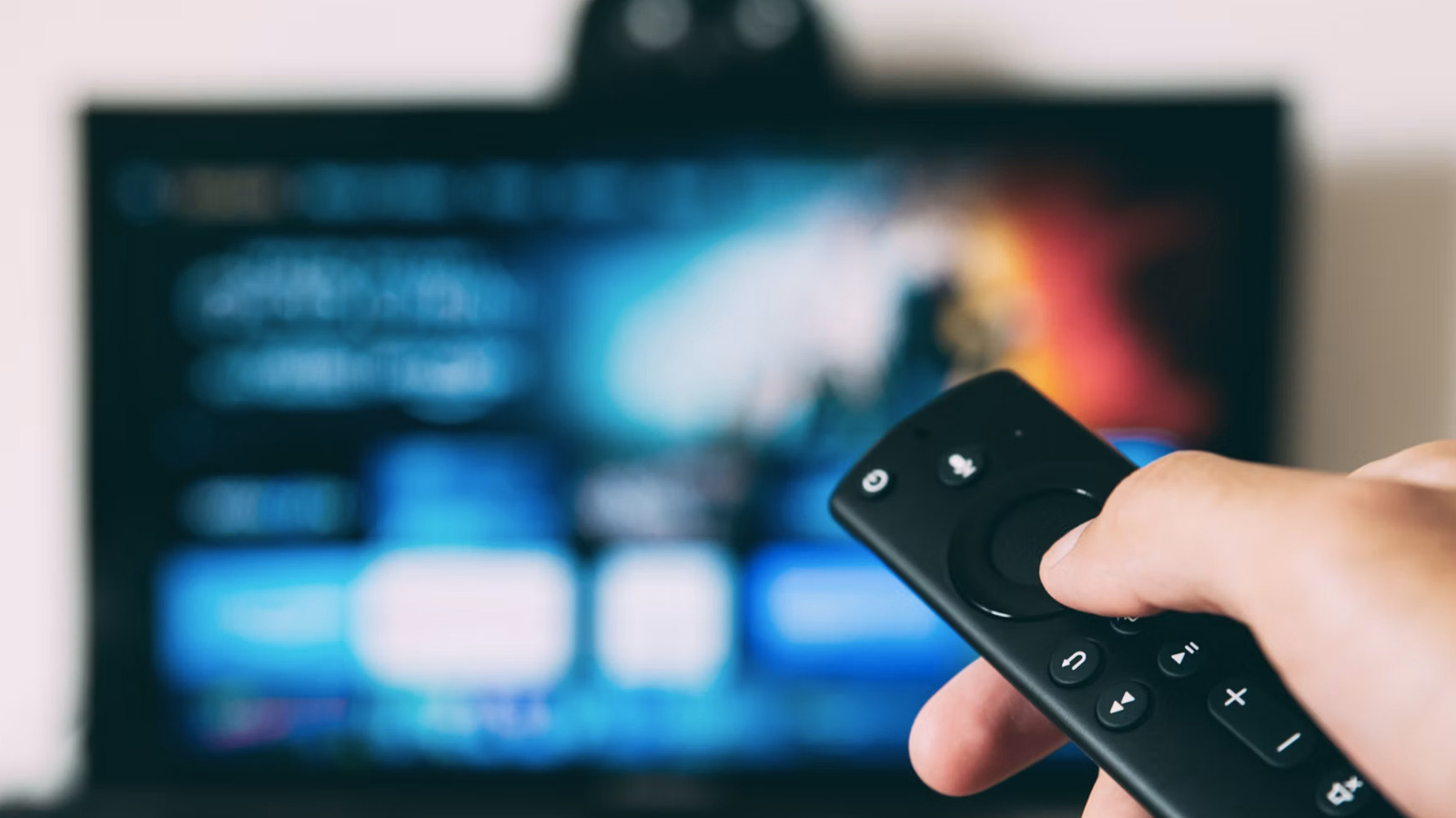
Smart TVs and standalone streaming devices, like Roku, Fire TV Stick and Chromecast, pretty much do the same thing. They let people watch content from platforms like Netflix, Disney+ and Hulu, among many others.
This leads to a "one or the other" mindset. However, there are several reasons why adding a streaming device to a smart TV can be a very good idea. This is especially true if the smart TV is getting a bit long in the tooth. Let's get into the reasons why streaming devices can supplement a smart TV.
More speed (potentially)
Smart TVs are not all created equal. Companies like Amazon, Google and Roku license their software to many different manufacturers. This creates a fairly wide gap in performance from one TV to the next. Some of these sets can technically get the job done, but they'll be sluggish. It all depends on the internal processors and which version of software the TV ships with.
People can circumvent this issue with a streaming device. Newer models typically include fresh operating systems that have been designed with speed and efficiency in mind. Older streamers will likely be slow, just like old TVs. However, it's a lot cheaper to replace a streaming device than an entire television.
Reliable streaming with no hiccups
This also carries over to reliability. Modern smart TVs are basically computers, and we all know what happens when gadgets age. They start bugging out. Nothing ruins a cozy night in like a smart TV that keeps crashing whenever booting up Netflix.
Having a streaming device on hand for backup can solve this issue. The processors in a TV have to handle all kinds of stuff beyond streaming. This can cause hiccups, particularly when that RAM gets maxed out. A dedicated streaming box or dongle only does one thing, and that's stream content. This helps keep the interface snappy and reduces the chance of performance issues.
Fewer (or no) ads
Ads are omnipresent in the modern world, but this is doubly true with smart TVs. Samsung has been integrating marketing content into its televisions since 2016, and the vast majority of sets from brands like Amazon, Roku and TCL show ads in numerous locations. This is even true with some high-end smart TVs.
Now, it's not as if streaming devices are immune to ad content. Plenty of dongles and boxes from the likes of Roku and Google are filled with the nasty little buggers. However, there tend to be more ad-free streaming boxes than smart TVs. The Apple TV box, for instance, doesn't include any spaces for marketing within the OS. The same goes for a DIY Raspberry Pi device.
Increased software support
Smart TVs are pretty good with software updates, for a while. After several years, however, that support begins to dry up. This leads to the operating system slowing down and, eventually, becoming unreliable. Getting a streaming box or dongle is a cost-effective way to get around the loss of regular software updates, particularly when compared to the price of a brand-new TV. This won't be an issue for anyone with a new TV with a fast OS, but keep an eye on things when the company stops making software updates for a particular model.
Unique features
Certain streaming boxes offer unique features, like the ability to upload your own content, which can be viewed via a media player. Most plug-and-play streaming devices include integrated storage of some kind, and many can be connected to a standalone hard drive. This can help with setting up a Plex media server. Others include buttons to help locate lost remote controls, which is always handy. Many modern devices can even play live TV, thanks to web-based subscription services. Some, like the above NVIDIA Shield, are great for gaming.
Flexibility and portability
Finally, there's flexibility and portability. A streaming dongle is incredibly light, and even dedicated boxes aren't too cumbersome. This makes it easy to move around with the device from TV to TV. A dongle is easy to pack when getting ready for a vacation, so it can be a smart use of luggage space in case you end up being stuck in a hotel room.
KioskNews shows a cleaned-up reading view extracted from the publisher’s page — the original always lives on their site, not ours.