Chance of US-Iran agreement now greater than two months ago, expert tells Post
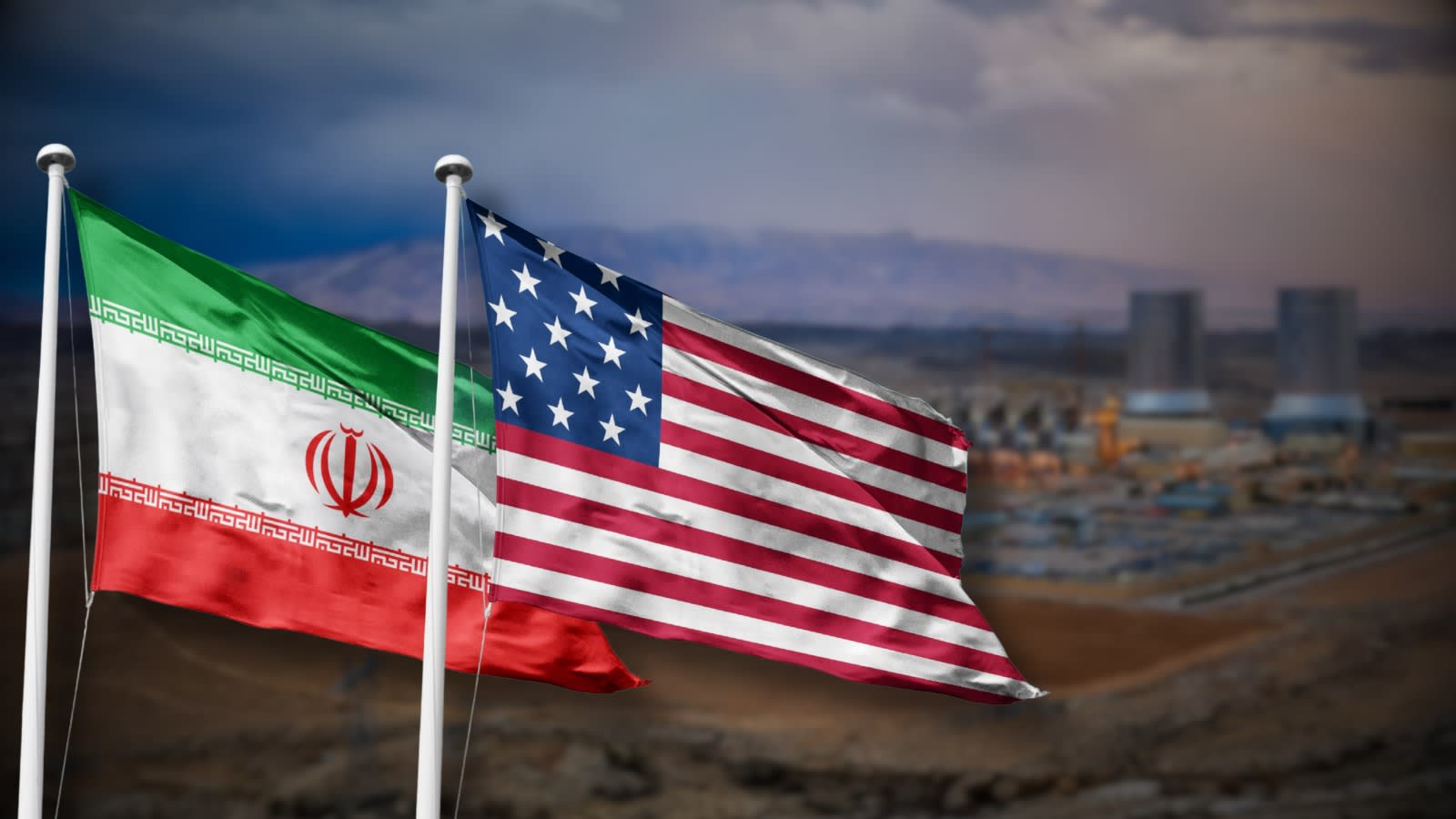
Tehran and Washington are more likely to reach an agreement to end the conflict now than they were two months ago, Sima Shine, a senior researcher and former director of the Iran and Shiite Axis Research Program at the Institute for National Security Studies, told The Jerusalem Post on Tuesday.
However, she stressed that negotiations could still fall through if the US refused to bend on giving Iran the right to uranium enrichment or if personal egos got in the way.
Shine, who was head of the Research & Evaluation Division of the Mossad until 2007, assessed that both, due to the results of the midterm elections and because of the coming winter season, US President Donald Trump and Iran’s negotiation team had to avoid a return to military clashes.
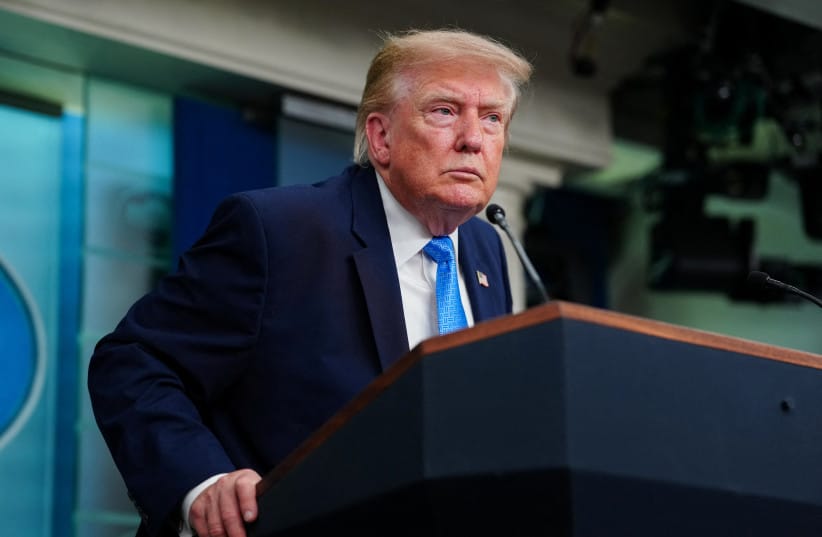
Trump told CBS’s “60 Minutes” on Sunday that both opposition to Israel and the Iran war are what handed the Democrats major wins during the midterms.
“I think we can understand this from Trump's declarations and behavior, as well as the fact that he acknowledged that the defeat in the Senate and Congress was because of the Iran war. All these things together make it quite understandable that he would prefer to close this issue and spend the next two years focusing on other matters,” she said. “As for the Iranians, they also don't want to remain in the current situation. We heard President Pezeshkian say that the Supreme Leader's instruction is not to allow the current state of ‘no war, no peace’ to continue.”
Winter, fuel shortage puts added pressure on Iran's struggling economy
On the Iranian side, Shine noted that the blockade of the Strait of Hormuz has been largely successful and, now entering winter, their fuel shortage could prove a major issue for the already struggling economy. Iranian lawmakers this past week have already begun advising households to cut energy use in anticipation of the drop in temperature in the coming weeks.
Though both Washington and Tehran have their own reasons to want to end the war, Shine said that there were still major obstacles that remained and Iran was unlikely to accept any agreement that did not allow it to continue pursuing uranium enrichment, an issue Trump has stated he is set against.
“You can’t let Iran have a nuclear weapon. I think, historically, this will be a very good decision. Is it a good decision for today and tomorrow? Maybe not. But you know, I have to go with what’s right for our country. If they had a nuclear weapon during my term, I would be excoriated far worse than what’s happened,” Trump said on Sunday.
Despite the potential gap, Shine said she believed, based on leaked information, that there is a good chance there will be an agreement.
“It will not be a good agreement, nor the best agreement that could be achieved,” she continued, suggesting that a better agreement could have been made two years ago. “I think the Iranians understood from the beginning, when they started negotiating with Trump, that he might decide to use the military option. It wasn't just talk, and I think they were much more willing to compromise on different issues, believing they could overcome the differences and reach some kind of agreement. They had been talking about postponing enrichment for five to seven years or something along those lines, although I don't think they are at that point today.
“But what matters is where we are today, not where we were in the past. Today, it looks to me like there is room for an agreement, unless someone on either side decides that the demands are impossible to accept.”
Shine theorized that pressure from Gulf states had also pushed Trump to be more flexible.
Asked whether, given the lack of support for the Iran war in the US, Iran might be emboldened by an agreement and become a greater threat, Shine appeared confident that it would be moderated by its state of uncertainty.
Explaining that Israel had surprised Iran with its capabilities during the wars, and, given the transitional period Israel is currently in after the elections, Iran would be unlikely to risk making a move that could embolden caretaker Prime Minister Benjamin Netanyahu’s camp.
Trump's actions without agreement remain uncertain
She added that there is also uncertainty surrounding what Trump will do next if an agreement is not made, especially should Pickaxe Mountain become a target.
According to The Sunday Times, citing a health ministry official, iodine tablets are already being distributed to communities near nuclear facilities as a precaution against possible radiation exposure should the attacks go ahead.
“The situation is very fragile, and all sides are suspicious of one another. There is no trust at all between the Iranians and the Americans, or vice versa. But I think that, at the end of the day, it is up to the Trump administration, and Trump himself, to decide what direction things will take,” Shine concluded. “If he decides to reach an agreement, I think he will make sure that Israel does not attack.”
KioskNews shows a cleaned-up reading view extracted from the publisher’s page — the original always lives on their site, not ours.