Kemi Badenoch vows to build £10bn ‘Britannia Shield’ to fend off missile attacks

Kemi Badenoch has pledged to build Britain its own £10bn ‘Iron Dome’ missile interception system aimed at protecting the UK from future military attacks.
“The world will not wait for Britain to get ready,” the Tory leader announced at the third day of the party’s annual conference in Birmingham, pointing to the transformational effect of cheap drones on the wars in Ukraine and the Middle East.
Ms Badenoch said: “If a missile or drone is launched at Britain, we do not get a second chance to wish we had prepared. That is why today we are announcing Britannia Shield — a new national missile-and-drone defence system to protect the whole United Kingdom, our sovereign territories and British bases overseas.”
The Conservatives would aim to have Britannia Shield fully operational by the end of their first term in government if elected at the next general election. Ms Badenoch has also vowed to bring defence spending up to three per cent of GDP by 2030 by reinstating the two-child benefit cap and reforming housing benefit.
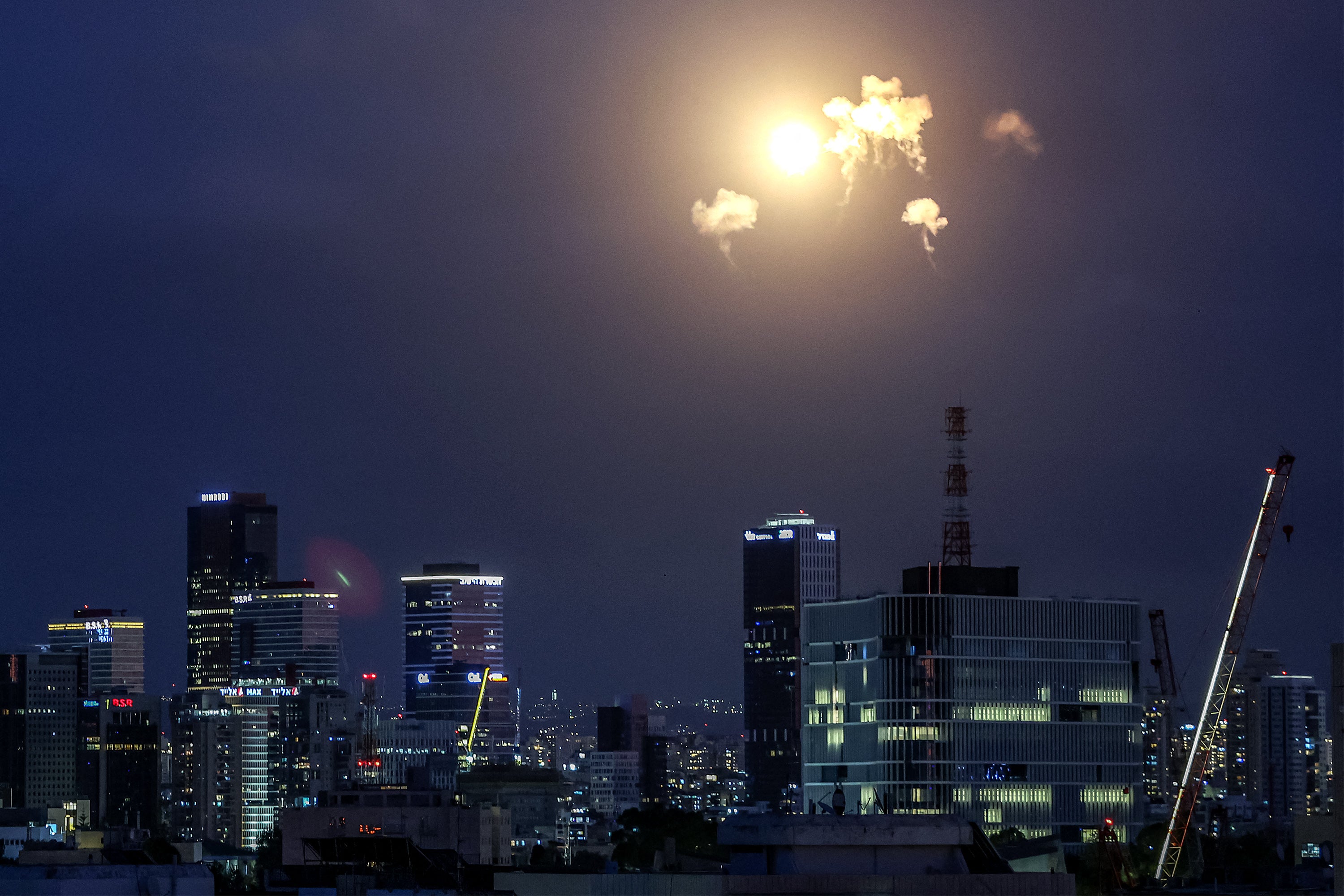
James Cartlidge, the shadow defence secretary, is expected to unveil further details for ‘Britannia Shield’ at party conference on Tuesday. He will say that new investment is needed in advanced radar and interceptor missiles due to “the threats that we face” today, as reported by The Guardian.
Mr Cartlidge will give a timeline of five years for the system to come online at a ‘minimum deployable capability’, it is understood. Further improvements would follow over the five years thereafter.
The system is understood to be modelled on Israel’s Iron Dome defence system, which has played a key role in shooting down incoming threats from Iran, Hamas and Hezbollah. Its maker, Rafael, claimed in May the Iron Dome successfully intercepted 99 per cent of its targets since 2023.
Britannia Shield would bring together radar, command systems and interceptor missiles into an integrated network, giving the UK better reach to target foreign threats.
The UK defence committee warned late last year that Britain had “next to nothing” in terms of integrated air and missile defences, and pointed to the growing prevalence of aerial drone threats.

Britain lacks missile interceptors like the US Patriots, which have proven vital in Ukraine’s defence against Russian missiles, and would currently rely on its six Type 45 destroyer ships for missile interceptions.
All six are due to be replaced with hybrid Common Combat Vessels by 2038 after plans for a guided missile destroyer were scrapped in June. Only three were operational in January 2026.
Labour has committed to spending at least 3.5 per cent of GDP on defence by 2035 - but at the end of August it was reported that new chancellor John Healey, who resigned as defence secretary in June over the lack of funding for the military, was expected to scrap his own target of spending 3 per cent by 2030 in the upcoming October budget.
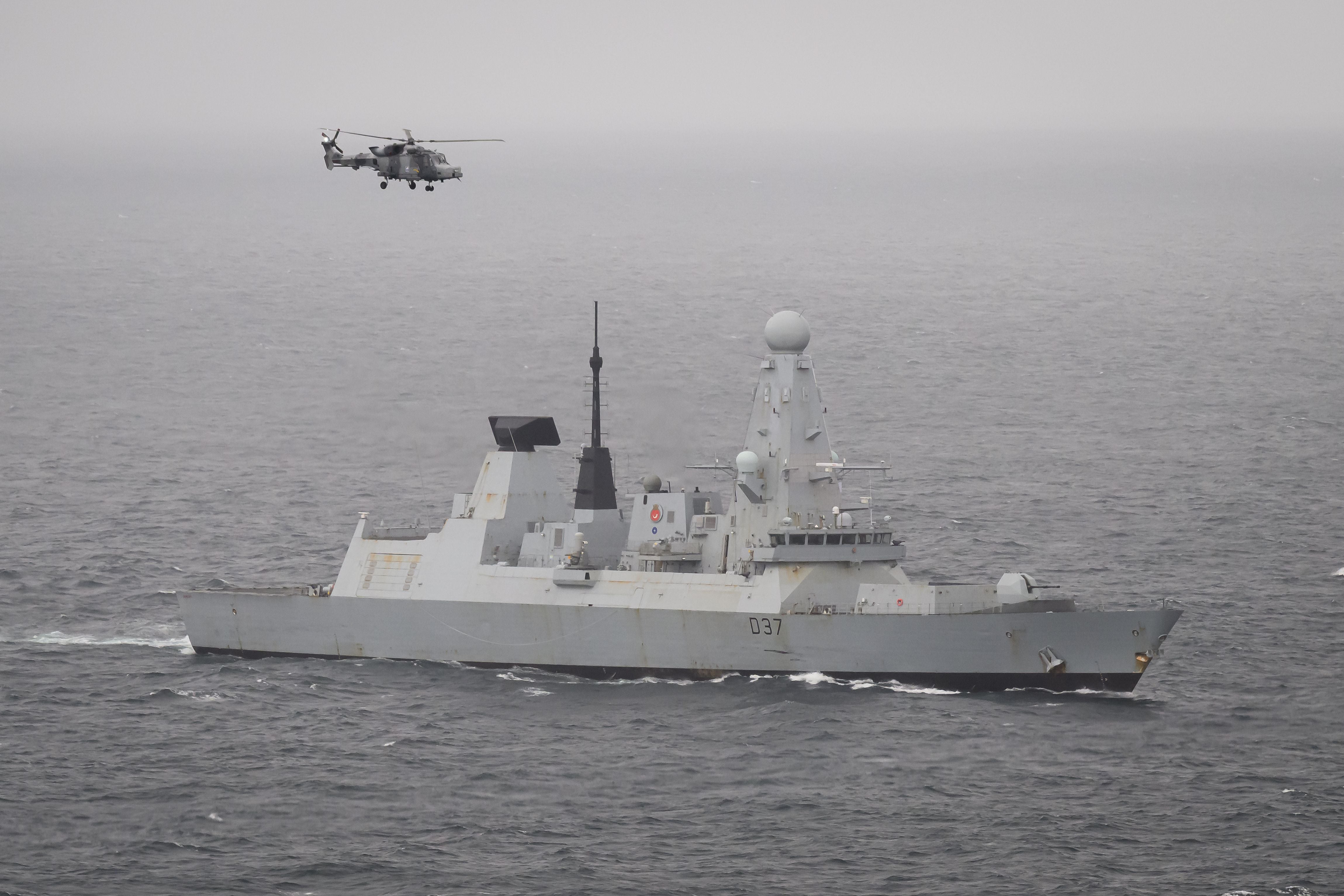
The government has set aside £298bn of investment over the next four years to improve defences in line with the Strategic Defence Review. But just £790m has been dedicated to protecting the UK and its bases overseas from air, drone and missile threats.
Dr Sidharth Kaushal, Senior Research Fellow, Sea Power, at the Royal United Services Institute (RUSI), assessed last year that based on current trends, improving UK national defences against subsonic cruise missiles should take precedence until 2030.
He urged a sequenced approach to developing interceptor capabilities, matching investment with the evolving threat and making use of existing multipurpose systems, as well as more bespoke options.
KioskNews shows a cleaned-up reading view extracted from the publisher’s page — the original always lives on their site, not ours.