Father-in-law obliged to support widowed daughter-in-law, rules Delhi High Court
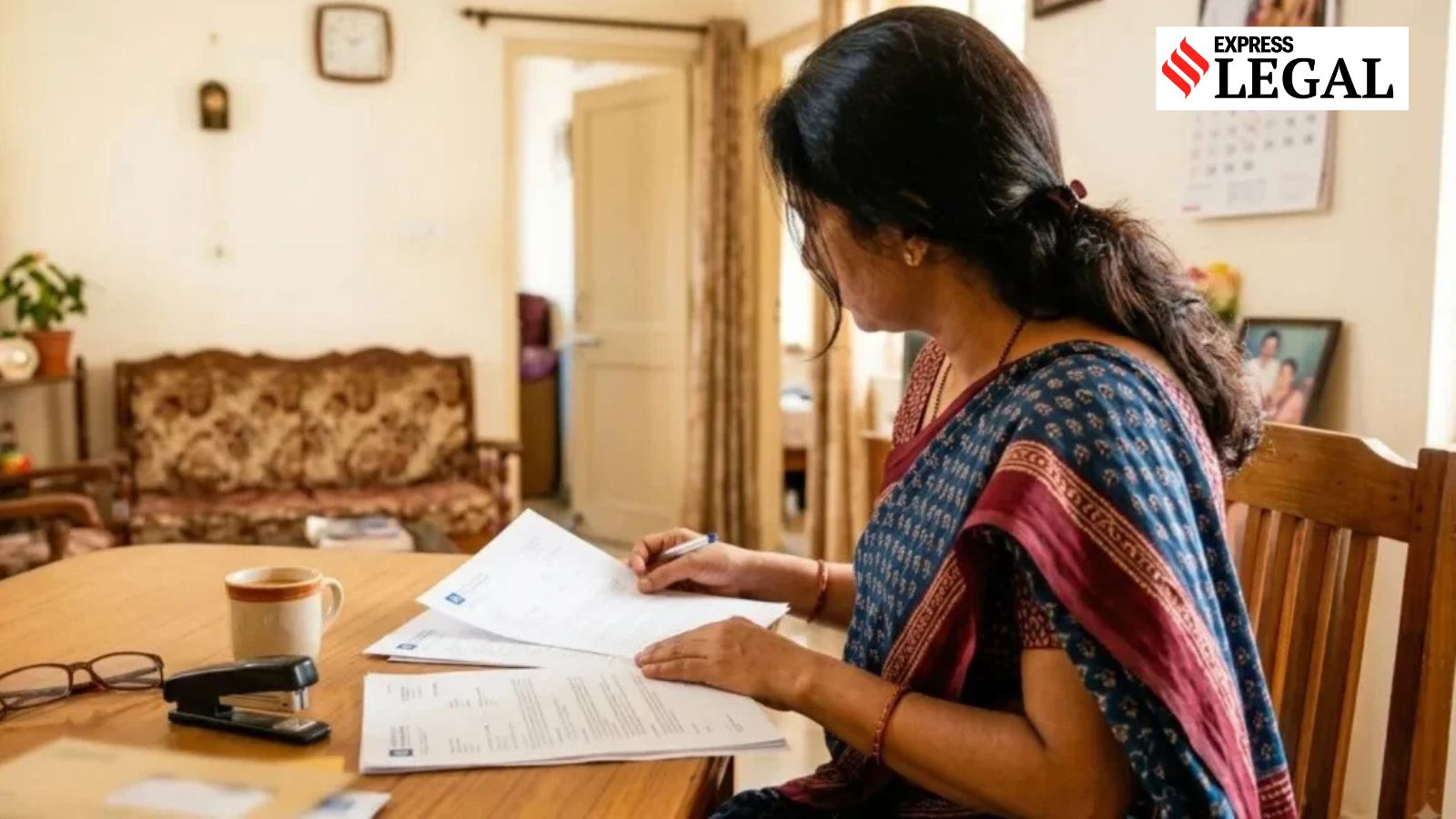
The court held that the father-in-law could recover possession of his property, but only after securing suitable alternative accommodation for the widow. (AI-generated image)
The Delhi High Court recently held that it is the pious obligation of the father-in-law to maintain a widowed daughter-in-law if she is unable to maintain herself either on her own or through the property left behind by her late husband.
Justice Neena Bansal Krishna passed the order on October 12 while partly allowing an appeal filed by a woman and her two daughters against a trial court decree directing them to vacate a flat owned by her father-in-law.
“Therefore, on the demise of son, it is the pious obligation of the father-in-law to maintain widowed daughter-in-law, if she is unable to maintain herself either or her own or through the property left behind by the deceased son. The statutory scheme of HAMA (Hindu Adoption and Maintenance Act) thus, recognises a widowed daughter-in-law as a person entitled to maintenance, which includes residence, where she is unable to maintain herself from the sources contemplated under the Act,” the order read.
The court, however, upheld the decree for possession in favour of the father-in-law, directing that it can be executed only after he provides her suitable alternative accommodation in the same or a nearby locality, or pays her Rs 15,000 per month towards rent.
Case before the court
The dispute arose from a property purchased by the woman’s father-in-law. The woman had moved into the flat after her marriage and continued to live there with her two daughters after her husband died.
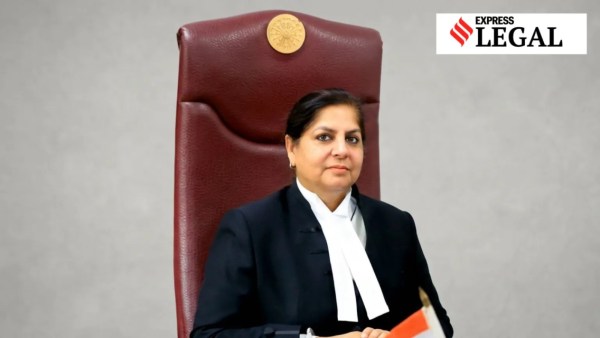 Justice Neena Bansal Krishna observed that the daughter-in-law didn’t have any earnings or property of her own.
The trial court decreed the suit filed by the father-in-law, directing the women to hand over possession and pay Rs 10,000 per month as damages. Feeling aggrieved by this order, the daughter-in-law moved the high court.
The court held that the suit property is the shared household of the daughter-in-law, and her right of residence there is an independent right which has not been extinguished by the demise of her husband.
Story continues below this ad
The judge noted that the Hindu Adoptions and Maintenance Act, 1956, recognises a widowed daughter-in-law as a person entitled to maintenance, which includes residence, where she is unable to maintain herself.
‘Can’t disregard right to residence’
After examining the evidence, the court observed that the daughter-in-law didn’t have any earnings or property of her own, or that her husband left behind any estate from which she could be maintained. It, therefore, held that her father-in-law has an obligation to maintain her, which includes providing her with a residence.
“It is thus, evident that the Appellants’ right of residence in the suit property, is protected and her right to residence cannot be disregarded, merely on the basis of the Plaintiff’s title,” the court said.
The court said the father-in-law’s ownership rights had to be balanced against the widow’s right to shelter. It thus held that the father-in-law could recover possession, but only after securing suitable alternative accommodation for the widow, commensurate with the accommodation she had enjoyed in the disputed property, in the same or a nearby locality or in the alternative pay rent of Rs 15,000 per month, which should be sufficient to secure such alternative accommodation.
Story continues below this ad
The court also set aside the trial court’s award of Rs 10,000 per month in damages.

Ashish Shaji is a Senior Sub-Editor at The Indian Express (Digital), where he specialises in legal journalism. Combining a formal education in law with years of editorial experience, Ashish covers court developments and key cases for the audience. Expertise Ashish is a law graduate (BA LLB) from IME Law College, CCSU. His work at The Indian Express focuses on translating the often-dense proceedings of courts into clear, legal content. He also runs liveblogs from the Supreme Court and various High Courts. Industry Experience: With over 5 years in the field, Ashish has contributed to several niche legal and professional platforms, honing his ability to communicate complex information. His previous experience includes: Lawsikho: Gaining insights into legal education and practical law. Verdictum: Focusing on high-quality legal news and court updates. Enterslice: Working at the intersection of legal, financial, and advisory services. ... Read More
KioskNews shows a cleaned-up reading view extracted from the publisher’s page — the original always lives on their site, not ours.