Why does urad dal cause gas and bloating?
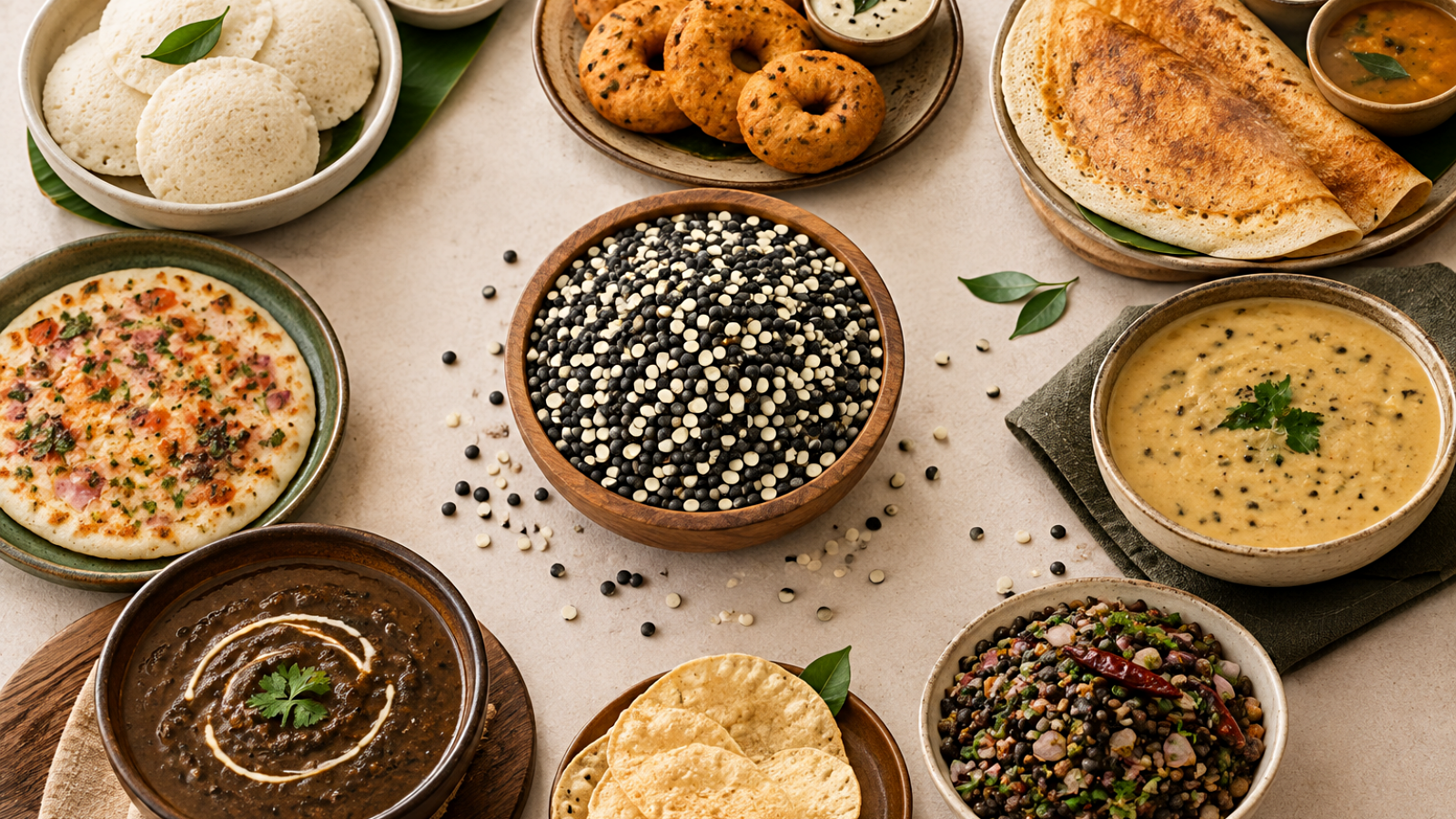
Urad dal is a staple in many Indian kitchens, whether it is served as dal makhani, made into idli and dosa batter, or cooked with rice. But for some people, a meal containing urad dal can leave them feeling bloated, gassy or uncomfortably full. Why does this happen, and does it mean they should avoid the dal altogether?
According to Kanikka Malhotra, Consultant Dietician and Diabetes Educator, urad dal contains certain sugars that can be difficult for the human body to digest.
DISCLAIMER: This article is based on information from the public domain and/or the experts we spoke to. Always consult your health practitioner before starting any routine.
“Urad dal is rich in raffinose and stachyose, sugars that the human body has no enzyme to break down,” she explains.
These sugars pass into the large intestine, where gut bacteria ferment them and produce gas. This can lead to bloating and flatulence, particularly in people with sensitive digestive systems.
Urad dal is also rich in protein and fibre, which can make it feel heavier than some other dals, especially when eaten in large portions or prepared with rich ingredients.
“Urad is dense in protein and fibre, and its sticky texture slows stomach emptying,” Malhotra tells indianexpress.com.
Story continues below this ad
Dal makhani, for instance, is often prepared with butter, cream or other rich ingredients, which may add to the feeling of heaviness after a meal.
Who is more likely to experience discomfort?
People with irritable bowel syndrome (IBS), constipation or a sensitive gut may be more prone to bloating after eating urad dal. Those not accustomed to fibre-rich foods may also experience gas if they suddenly increase their intake.
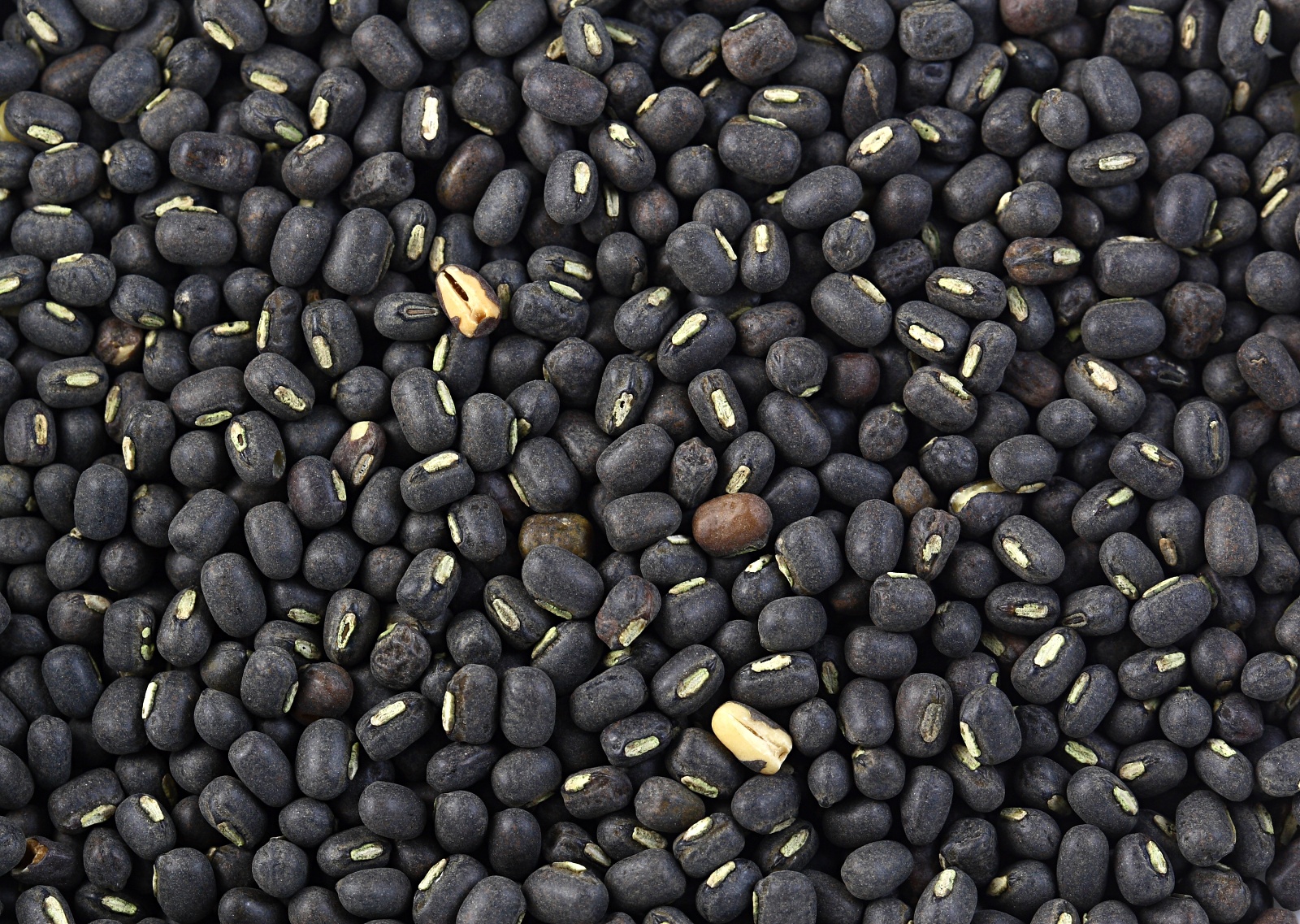 Whole black urad, with its skin, carries the most insoluble fibre and tannins and takes the longest to cook (Wikimedia Commons)
The quantity eaten and the way the dal is cooked can make a difference, too. A large serving or a preparation that is not cooked until soft may be harder to tolerate than a smaller, well-cooked portion.
However, feeling bloated after eating urad dal does not automatically mean you need to eliminate it from your diet. Individual tolerance varies, and some people can eat it comfortably with a few changes.
Story continues below this ad
How can you make urad dal easier to digest?
The dietician and diabetes educator suggests the following ways to make urad dal easier to digest:
Soak it before cooking: Soaking split urad dal for six to eight hours and whole urad dal for 10 to 12 hours can help reduce compounds that contribute to gas. Discard the soaking water and rinse the dal before cooking.
Cook it until soft: Pressure-cook urad dal thoroughly. A soft, well-cooked preparation may be easier to tolerate than dal that remains firm. If using acidic ingredients such as tomatoes, add them after the dal has softened, as acidity can slow the softening process.
Try fermented preparations: Fermentation, as in idli and dosa batter, can help break down some of the sugars that cause gas. Sprouting may also improve digestibility for some people.
Story continues below this ad
Choose the variety and portion carefully: Whole black urad, split urad with skin, and skinned urad differ in their fibre content and texture. If one form causes discomfort, try a different variety and see how you tolerate it. Malhotra suggests starting with a small bowl, using around 25–30 grams of raw dal as a guide to the quantity before cooking.
Add digestive spices: Hing, cumin, ginger and ajwain are commonly used in Indian cooking and may help some people manage digestive discomfort. Combining urad dal with moong dal in a 1:2 ratio is another option.
Pairing dal with rice or other foods you tolerate well, eating a moderate portion and having it at lunch rather than late at night may also help. A short walk after eating can be useful, too.
As Malhotra puts it, “Change how you prepare it, don’t drop it,” as long as you tolerate it. If bloating or abdominal discomfort persists, is severe or comes with other concerning symptoms, consult a healthcare professional rather than assuming the dal is the only cause.
Story continues below this ad
DISCLAIMER: This article is based on information from the public domain and/or the experts we spoke to. Always consult your health practitioner before starting any routine.
KioskNews shows a cleaned-up reading view extracted from the publisher’s page — the original always lives on their site, not ours.