The Federal Reserve just raised interest rates for the first time since 2023. Here's how mortgage rates may respond.
Prospective homebuyers have been waiting for meaningful relief from the high mortgage rate landscape for much of 2026. Rather than rates dipping, though, borrowing costs have remained stubbornly high instead, with the average 30-year fixed mortgage rate reaching 7.43% as of mid-September, up by a full point compared to just a few months ago. That has kept affordability strained for homebuyers who are already contending with elevated home prices and other rising essential goods costs.
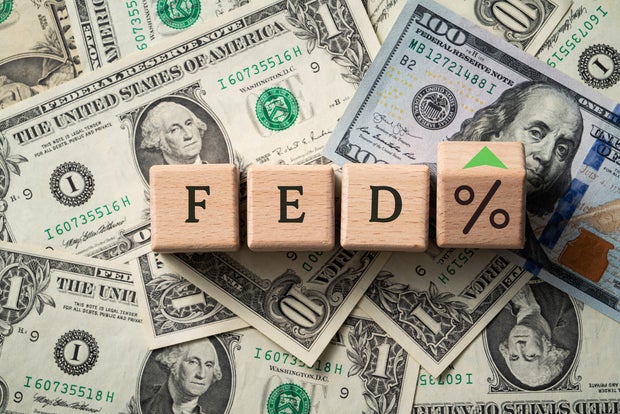
And now another complication has entered the picture. The Federal Reserve just raised its benchmark interest rate by 25 basis points, its first increase since 2023, pushing the federal funds target range to 3.75% to 4.00%. The move follows a stretch of stubborn inflation readings that prompted the central bank to shift back toward tighter monetary policy after previously lowering rates.
That shift puts mortgage rates back in focus at a particularly difficult time for the housing market. Borrowing costs have already been limiting what many buyers can afford, while homeowners who purchased or refinanced when rates were lower have had little incentive to move. And, with the Fed now changing course after years without a rate hike, what happens to mortgage rates from here could have a significant impact on borrowers' next moves. But how could mortgage rates respond now? That's what we'll evaluate below.
Start by seeing how affordable the right mortgage loan could be here.
How mortgage rates may respond to the Fed rate hike
Today's Fed rate hike could add some upward pressure to mortgage rates, but borrowers may not see a sharp increase immediately. The quarter-point hike was largely expected heading into the meeting, giving financial markets time to account for the change before the Fed made it official. In fact, some of that adjustment may already be reflected in the mortgage rates lenders are offering today.
That's because mortgage rates don't move in lockstep with the federal funds rate. While the Fed's benchmark influences borrowing costs throughout the economy, fixed mortgage rates tend to follow the 10-year Treasury yield more closely. And Treasury yields can move well before a Fed meeting as investors react to inflation reports, economic data and expectations about what policymakers will do next.
So, what happens to mortgage rates from here may depend less on today's quarter-point increase and more on what the hike signals about the Fed's next steps. If today's move marks the beginning of another stretch of rate increases, for example, investors may demand higher yields on longer-term bonds. That could keep mortgage rates elevated or push them higher, adding to the affordability challenges buyers are already facing.
But there is another possibility. If the Fed indicates that it plans to wait and see how today's increase affects inflation and the broader economy before raising rates again, the pressure on mortgage rates could be more limited. And if upcoming inflation data improves enough to reduce expectations for additional hikes, longer-term Treasury yields could eventually retreat, creating room for mortgage rates to do the same.
That's why borrowers may want to look beyond the size of today's increase when trying to determine where mortgage rates are actually headed. The Fed's guidance on future rate moves, along with the inflation and employment reports released over the next few months, could have a much bigger influence on the trajectory of mortgage rates than a single quarter-point hike.
For now, that leaves mortgage rates facing competing pressures. Today's hike reinforces the Fed's willingness to keep borrowing costs high to address inflation, but much of the move was anticipated. Whether mortgage rates climb meaningfully from current levels will ultimately depend on whether markets see this hike as an isolated adjustment or the start of a broader shift toward tighter monetary policy.
Learn more about your top mortgage loan options online now.
What should homebuyers do after the Fed's rate hike?
Today's decision makes it especially important for prospective buyers to focus on the parts of the mortgage process they can control rather than trying to perfectly time the market. And that starts with shopping around. Mortgage rates and fees can vary considerably between lenders, and even a relatively small difference in the rate can change the monthly payment substantially.
Borrowers who are close to buying a home may also want to discuss mortgage rate-lock options with their lender. If bond yields continue rising as markets digest the Fed's message, locking in a rate now could provide protection against another increase in the future. But borrowers who have more flexibility may prefer to watch how mortgage markets settle after the meeting rather than making a decision based solely on the Fed's headline rate change.
And buyers shouldn't overlook their own financial profile, either. Improving your credit, reducing outstanding debt and making a larger down payment when feasible can help you qualify for better mortgage loan terms — regardless of where average mortgage rates move.
The bottom line
The Fed's first interest rate hike since 2023 adds another layer of uncertainty for a housing market that has already been tough due to elevated borrowing costs. But today's quarter-point Fed rate increase doesn't mean mortgage rates will automatically rise by a quarter point. Much of the move was anticipated and mortgage rates tend to respond more directly to longer-term Treasury yields and investors' expectations about inflation and future Fed policy. So, rather than focusing only on today's hike, borrowers should pay close attention to what the Fed signals about the months ahead — while shopping around for lenders and strengthening their finances to secure the best mortgage rate available to them.
KioskNews shows a cleaned-up reading view extracted from the publisher’s page — the original always lives on their site, not ours.