Steven Spielberg's Canceled 13-Episode Sci-Fi Series Could've Been The New Lost
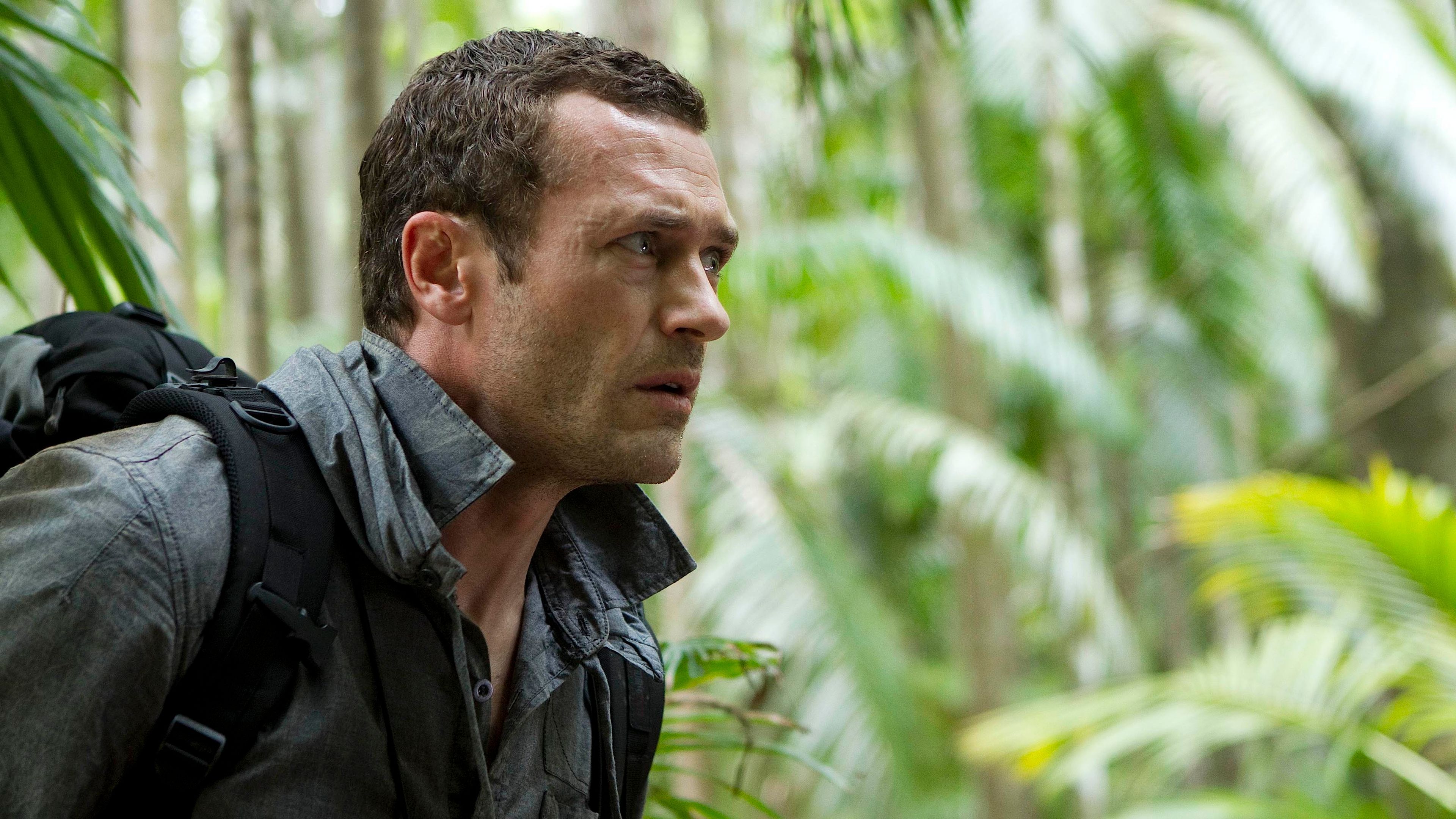

Zach Moser has been writing for ScreenRant since 2022, covering movies, classic TV, and streaming TV. His areas of expertise cover a wide range of genres with a particular interest in horror and drama, and the conversations around the TV and film industry. When he's not covering the latest film releases or chronicling the latest season of a new show, he's writing humor pieces for McSweeney's Internet Tendency, Slackjaw, and Points In Case or working on short stories and his second novel.
Spoilers for Terra Nova!Steven Spielberg's canceled 13-episode science fiction TV show could have been the next Lost if it had been given just a bit more time. From the moment Lost aired, people knew that there was something special on the air, and imitators were quickly greenlit to try to reproduce its success.
Lost may not have ended up becoming the everlasting cultural phenomenon it appeared to be in those first three seasons, but its legacy still lives on, and you can point to several series, some of higher quality, that are obviously inspired by Damon Lindelof, J.J. Abrams, and Jeffrey Lieber's series.
Even sci-fi and movie legend Steven Spielberg tried his hand at the concept. In 2011, Spielberg helped produce Terra Nova, a 13-episode science fiction drama mystery that may have been the new Lost had it not been canceled so quickly. The series ran on Fox and was created by Kelly Marcel and Craig Silverstein.
The series begins in the year 2149, when overpopulation is threatening to wipe out all life on Earth. In response, scientists discover temporal rift technology that allows for the one-way movement of humans through time. Earth's governments decide to send pilgrimages of people to a parallel time stream in the past, one that resembles Earth's Cretaceous Period.
The Shannon family is a family of five who are selected to travel back in time to the latest colony, dubbed Terra Nova. There, they attempt to grow their civilization while dealing with dinosaurs and other colonists who have other plans for Terra Nova. There's action, drama, and mysteries that could have kept the show humming for years.
Terra Nova Had The Makings Of A Multi-Season Mystery Hit

Terra Nova could have been a multi-season storyline, with a lot of avenues to explore. For one, the ending of Terra Nova season 1 is clearly setting up more mysteries, with the reveal of an 18th-century ship's prow, which suggests that there are other temporal rifts than the ones we've been led to understand.
The series seems fairly straightforward on its face, as straightforward as a science fiction show can be, at least. A group of people is sent back in time to recolonize a past, alternate version of Earth, and the series displays those struggles through the lens of modern people and technology.
However, there is more to Terra Nova than that central plot. There are mysteries and questions in the show that are definitely reminiscent of Lost, things that suggest the story we are being told is not even close to the whole picture. The time travel and parallel world elements were ripe for a multi-season, Lost-like story.
Why Terra Nova Was Canceled After Just One Season

Terra Nova was well-regarded on its premiere, with a lot of complimentary reviews mentioning the visual effects, crucial for a dinosaur-heavy show. The series was filled with exposition and was overly burdened by its attempts to explain the situation, but those are issues a lot of debut seasons have to face.
The main problem with the show was its expense. The pilot reportedly cost $20 million dollars, and the producers did not appear to want to cut corners (via SlashFilm). To add insult to injury, Terra Nova did not get the huge viewing numbers that a show that expensive would need to justify its existence.

- Release Date
- 2012 - 2011-00-00
- Network
- FOX
- Showrunner
- Craig Silverstein
- Directors
- Craig Silverstein
- Writers
- Craig Silverstein, Terry Matalas, Kelly Marcel, Barbara Marshall, Travis Fickett
KioskNews shows a cleaned-up reading view extracted from the publisher’s page — the original always lives on their site, not ours.