Joshimath crash prompts rethink on helicopter safety in hills, age cap under consideration
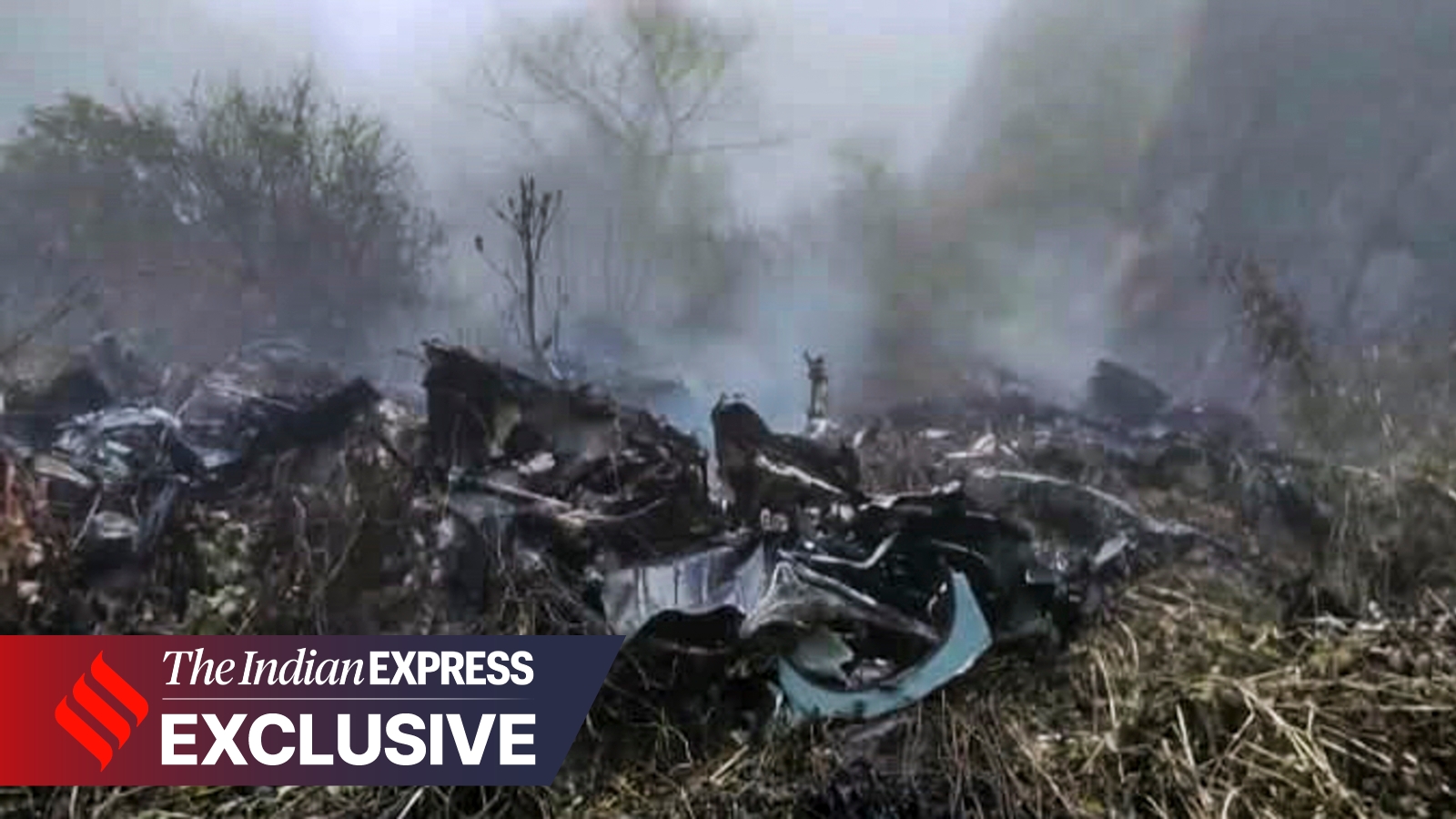
In the aftermath of the October 30 helicopter crash near Joshimath’s Sthan Marwari that killed six people, aviation authorities are discussing a proposal to cap the age of helicopters or aircraft deployed for operations in Uttarakhand’s mountainous terrain, The Indian Express has learnt.
The Trans Bharat Aviation helicopter was returning from Badrinath to Dehradun when it went down near Sthan Marwari in Chamoli district, killing five passengers and the pilot.
Speaking to The Indian Express, an official familiar with developments in the aftermath of the incident said, “Suggestions have been made to cap the age of the machines to be used to fly in the hilly terrain. We are exploring the need to assess how old a machine is. The specific age cap years is yet to be established.”
Sources also said that investigators probing the crash have been unable to recover a camera installed behind the pilot’s seat, which could provide crucial evidence about the helicopter’s final moments.
Sources told The Indian Express that the difficult terrain has hampered search operations.
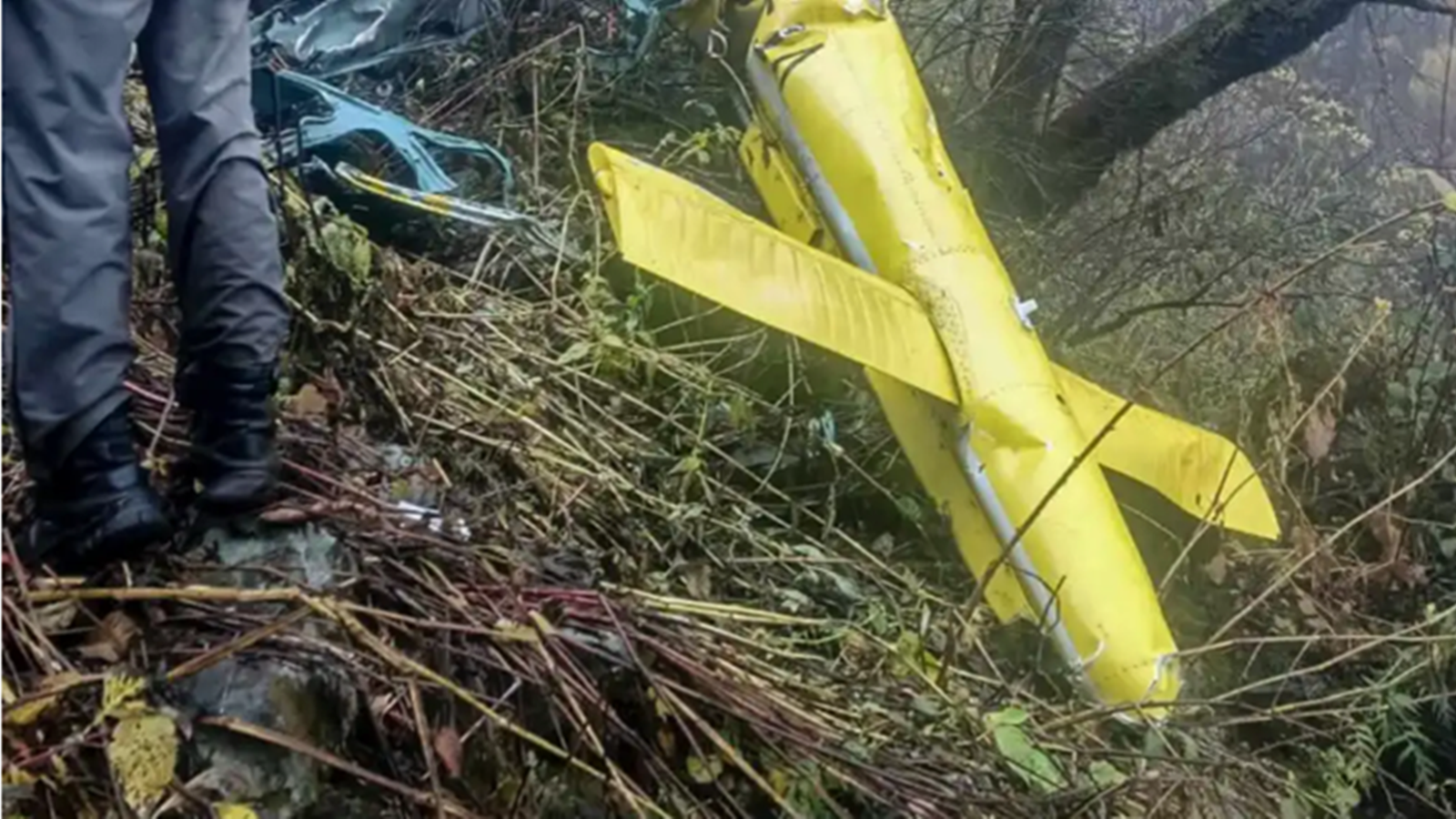 Six persons, including five pilgrims, were killed after a helicopter crashed in Joshimath on October 3. (File Photo)
A committee has also been constituted to examine the findings of the investigation and prepare a report, which is expected to take at least six months, sources said.
As The Indian Express had reported on November 3, investigators had found no record of a Mayday or distress call from the pilot before the crash. The absence of any distress communication, along with eyewitness accounts and videos showing the helicopter’s descent, had raised questions about whether something happened suddenly, leaving the pilot with little time to alert other aircraft.
Story continues below this ad
The Chamoli district administration’s initial Action Taken Report had attributed the crash to adverse weather conditions in the Hathi Parvat area. The India Meteorological Department had issued an orange alert for Chamoli on October 30, warning of thunderstorms, lightning, hail and gusty winds of 40-50 kmph in isolated areas.
Investigators were also examining the sequence of helicopter movements in the area. Another helicopter took off from Badrinath eight minutes after the crash and landed safely, while two helicopters that had flown before it also completed their journeys without incident. Pilots operating in the area were questioned, but none reported receiving a distress call or hearing any communication about poor visibility or operational difficulties over radio telephony.
The helicopter did not have a black box, making the camera installed behind the pilot’s seat potentially the most important source of evidence.
Following the crash, the Directorate General of Civil Aviation (DGCA) had directed that two pilots be carried on every charter helicopter flight operating on the Char Dham routes. The decision prompted 11 helicopter operators to raise concerns about the financial viability of continuing operations with the additional crew requirement.
Story continues below this ad
The operators had sought a reconsideration of the directive, particularly with only a week remaining in the pilgrimage season. The operators and authorities subsequently agreed to call off charter helicopter services for the remainder of the season.
KioskNews shows a cleaned-up reading view extracted from the publisher’s page — the original always lives on their site, not ours.