Democracy was top Jewish voter concern in midterms, not Israel or antisemitism - poll
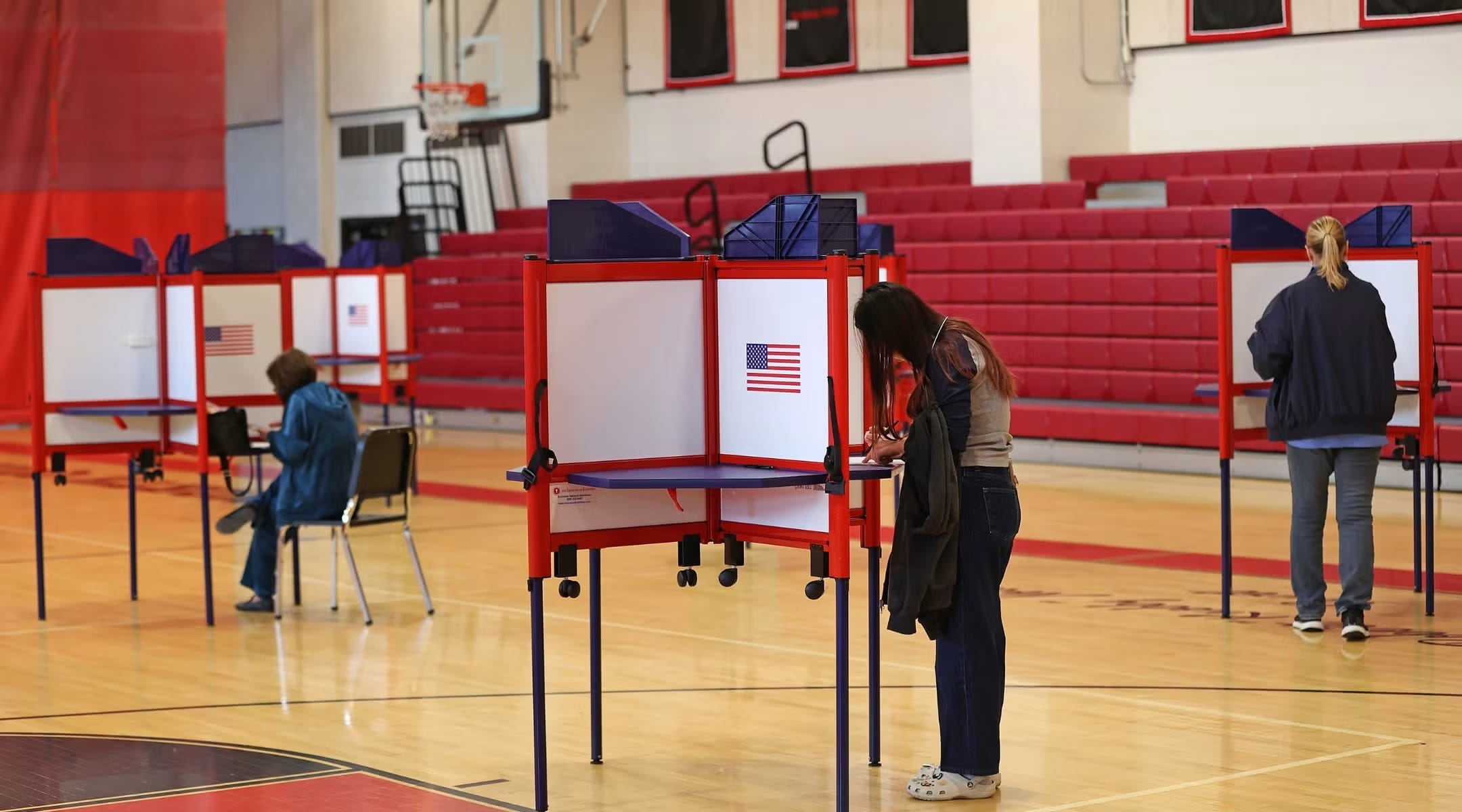
Jewish American voters listed the future of democracy as their top issue in the 2026 midterm elections, with antisemitism ranked third, according to a new national survey by J Street on Thursday.
The liberal Jewish Middle East policy group released its poll of national Jewish voters, which surveyed 800 people from October 28 to November 3. It found that 44% of respondents named the future of democracy as a key issue, while 21% named antisemitism (the third-most-popular response) and 14% cited Israel (the fifth-most-popular). The second-ranked issue was the cost of living, at 34%.
Jewish voter breakdown by party, both overall and at the level of individual denominations, was also consistent with past elections, with 72% of respondents voting for Democratic congressional candidates and disapproving of President Donald Trump. Orthodox voters trended more Republican and pro-Trump.
“This is a constituency that knows what it thinks in their political beliefs, political values,” Jim Gerstein, founding partner of pollster GBAO Strategies, which conducted J Street’s survey, said of the national Jewish community in a press briefing.
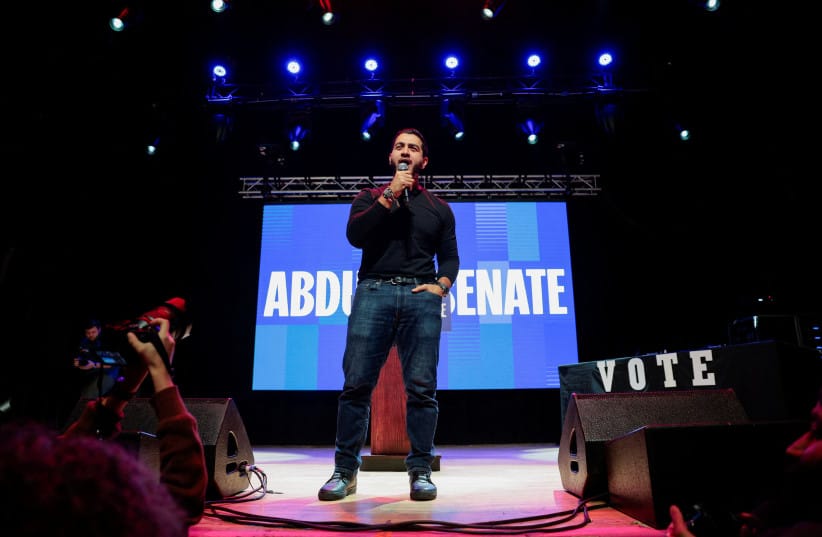
The survey was focused on national voters and did not specifically poll Jews in Michigan, where Democratic senator-elect Abdul El-Sayed prompted much Jewish consternation. J Street did not formally endorse El-Sayed, who is critical of Israel and backs a total ban on the sale of weapons to the country.
Roughly 60% of respondents view Israel's war in Gaza as genocide
Gerstein said Republican efforts to reach Jewish voters who were uncomfortable with El-Sayed in Michigan and similar GOP efforts in other states didn’t appear to have much effect, largely because the party’s brand is so toxic to most Jews.
“It’s really not relevant when you look at how unpopular the Republican Party is,” he said. “They are not going to be making any traction with Jewish voters as long as this is the perception of them.”
J Street found that 31% of respondents backed ending all military aid to Israel, and would agree with some left-wing candidate rhetoric that described its conduct in Gaza as a genocide. That number jumped up to 60% for Jews under 35.
Asked whether the defense aid should continue, 39% said yes, with conditions, consistent with J Street’s policy, and 30% said yes, with no conditions.
Trump announced on the morning of Election Day that he planned to end the $3.8 billion defense assistance to Israel before year-end, in part because it had become unpopular.
J Street’s poll also found broad support for its two-state solution to the Israeli-Palestinian conflict at 65%.
Jeremy Ben-Ami, J Street’s founder and president, told reporters that the survey, and the election or re-election of at least 180 J Street-backed House candidates, demonstrated that “the things that we stand for are, in fact, politically supported, and they reflect the majority of opinion right now in the American Jewish community.”
KioskNews shows a cleaned-up reading view extracted from the publisher’s page — the original always lives on their site, not ours.