Scottish oysters reproduce in wild after 100 years, 140,000 restored
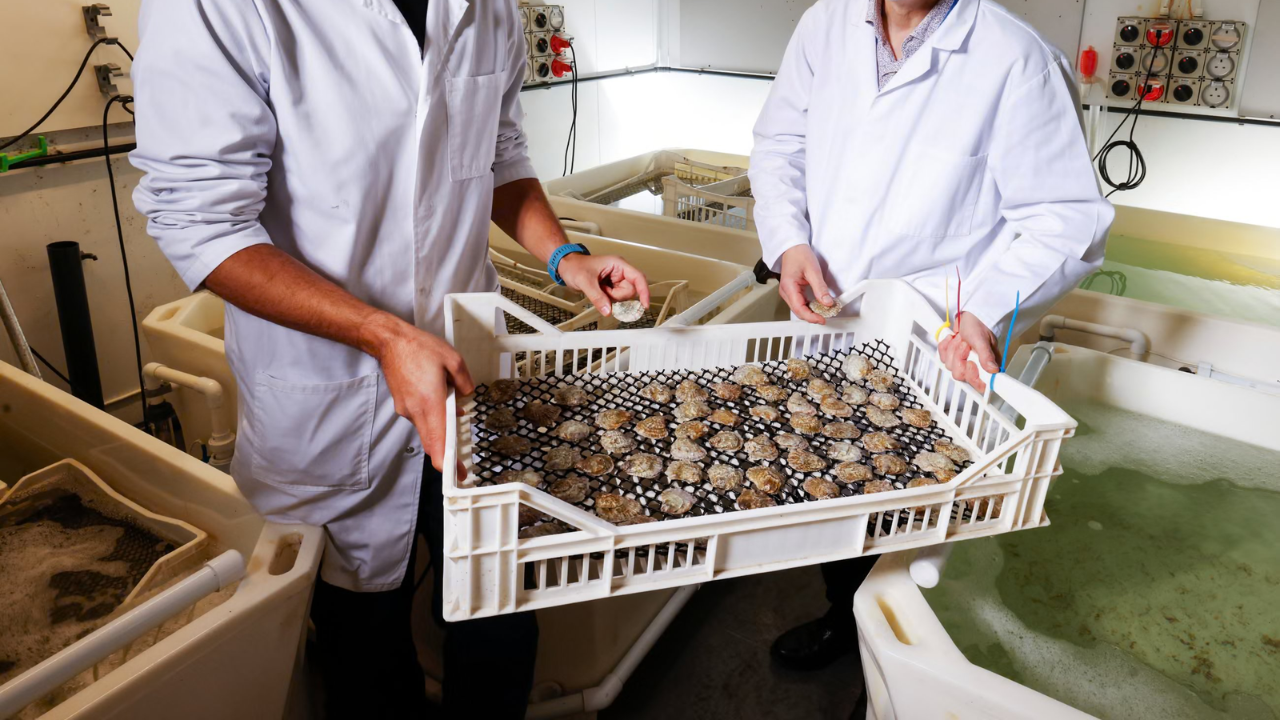
For more than a century, the waters of a Scottish estuary remained without a single thriving population of native oysters. Now, scientists have discovered the first naturally born juvenile European flat oysters in the Dornoch Firth, north of Inverness, after conservationists spent 12 years rebuilding the population by introducing approximately 140,000 adult oysters.
According to a report by The Guardian, the discovery is the first confirmed successful natural breeding at a UK restoration site where the species had been locally extinct for more than 100 years.The discovery marks an important milestone for the Dornoch Environmental Enhancement Project (DEEP), a partnership involving Heriot-Watt University, the Marine Conservation Society and The Glenmorangie Company. Launched in 2014, the initiative aims to restore native oyster reefs to the estuary, which once supported populations of the shellfish before intensive harvesting caused their disappearance.The young oysters, known as juveniles or spat, were discovered by Gurjameer Ramday, a research associate working on the project. Some of the specimens have grown to approximately the size of a British 50-pence coin. Their presence indicates that the adult oysters introduced into the estuary have begun reproducing without requiring conservationists to introduce new young oysters themselves.Professor Bill Sanderson, a marine biodiversity specialist at Heriot-Watt University who leads DEEP, described the development as a significant milestone for the restoration effort.
Ramday also highlighted the wider importance of the discovery, pointing out that native oyster populations have collapsed across Europe and that the appearance of young oysters demonstrates the potential of targeted restoration programmes.The project has introduced approximately 140,000 adult European flat oysters (Ostrea edulis) into the Dornoch Firth over the past 12 years. The oysters are sourced from Loch Ryan, near Stranraer, which is home to one of Britain's few surviving native oyster fisheries.
Before being transported to the restoration site, they are carefully cleaned by volunteers to reduce the risk of introducing unwanted organisms and contaminants into the local marine environment.
The initiative initially focused on testing whether transplanted oysters could survive and establish themselves in the estuary. The latest discovery suggests that the restoration effort has progressed beyond survival, with the shellfish now producing offspring in their restored habitat.The decline of native oysters in Britain is closely linked to centuries of commercial exploitation. During the Victorian era, oysters were a popular food and were harvested in enormous quantities to supply expanding cities. According to historical records, the Firth of Forth near Edinburgh once produced as many as 30 million oysters annually. Its extensive oyster beds eventually disappeared as harvesting intensified.The native European flat oyster was once widespread across British coastal waters, where it formed large reefs on the seabed. These structures provided shelter and feeding grounds for numerous marine species. However, overfishing, habitat degradation and pollution contributed to the collapse of oyster populations. The species is now considered critically threatened.Restoring oysters could benefit more than just the shellfish themselves.
The Marine Conservation Society explained that native oysters are ecosystem engineers because their reefs create habitats for other marine organisms and improve water quality through filter feeding. An individual adult oyster can filter up to 200 litres of water a day under suitable conditions. Their reefs also help stabilise seabed sediments and contribute to carbon storage in marine environments.
According to Sanderson, establishing an oyster reef can potentially double the diversity of species living on the seabed over a decade, making the restoration of these habitats important for wider marine biodiversity.The DEEP partnership has set an ambitious target of establishing approximately four million native oysters across 40 hectares of the Dornoch Firth by 2031. Its objective is to create a self-sustaining population in which naturally produced young oysters survive and grow in sufficient numbers to replace those lost to predators and other environmental pressures.
However, scientists caution that the discovery does not mean the restoration is complete.
Crabs and starfish prey on young oysters, while pollution and destructive fishing practices remain threats to marine habitats. Conservationists will continue introducing adult oysters and monitoring the population to determine whether natural reproduction can be sustained.The breakthrough has also raised hopes for other oyster restoration initiatives across Britain, including projects in Argyll, Essex and the Solent. The Dornoch Firth findings could provide valuable evidence for conservationists attempting to restore native oyster populations elsewhere.
KioskNews shows a cleaned-up reading view extracted from the publisher’s page — the original always lives on their site, not ours.