Make NHS and military uniforms in UK, fashion firms urge Burnham
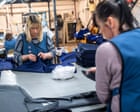
London fashion week is only days away, but one industry organisation has turned its attention to clothing that is a little less catwalk-worthy – the uniforms worn by British defence forces and NHS staff.
On Wednesday afternoon, the thinktank Fashion Roundtable will hand deliver a letter to No 10 urging Andy Burnham to commit to manufacturing these uniforms in the UK.
Signed by more than 1,200 people – including the adventurer Ben Fogle and The British Sewing Bee’s Patrick Grant – the organisation’s letter says that public procurement such as this could be vital to preserving the UK’s manufacturing industry.
“The biggest lever we have to support skills retention, inclusive growth and regional resilience is awarding public procurement contracts for textile goods to suppliers who manufacture onshore in the UK,” the thinktank said.
According to a Fashion Roundtable economist’s estimate, about £120m is spent a year by the NHS and Ministry of Defence on uniforms, with 55% of them currently manufactured overseas.
The benefit of domestic manufacturing to an economy has already been demonstrated. The Covid inquiry concluded that nearly £10bn of public money was wasted on the flawed way it went about buying personal protective equipment (PPE), much of it manufactured in China. By contrast, Scotland, which invested £102.7m in PPE and produced 88% of it domestically in 2021, generated £66.7m of additional economic value and 1,400 jobs.
Kate Hills, the founder of the manufacturing organisation Make It British, said making these items in the UK could allow companies breathing space. “These sort of contracts would give manufacturers confidence to employ more people, to look at the long term rather than feel like they’re surviving day to day,” she added.
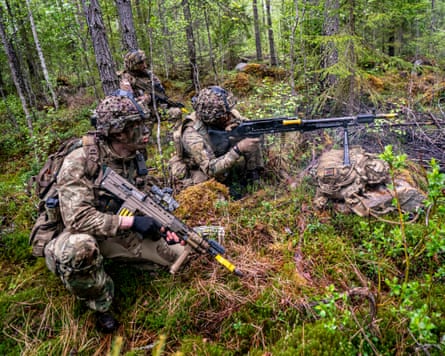
The US is an example where contracts for military uniforms are manufactured by companies within the country by law – thanks to the Berry amendment, which was passed in 1941. In 2025, the market for the industry reached $1.62bn (£1.19bn).
Hills hopes Burnham might commit to this change – partly thanks to his own taste for UK-made apparel: he buys suits from Manchester-based brand Private White VC, for example. The Labour leader has argued that government procurement should do more to support UK manufacturers rather than prioritising the lowest-cost overseas suppliers.
“Maybe he is the prime minister that sees the value of products that are actually made here,” Hills said.
after newsletter promotion
Grant invested in Blackburn-based military outfitters Cookson & Clegg in 2015 – with their last military contract, making uniforms for the British army, stopping in 2009. They now make the designs for his label Community Clothing, with almost 2,000 employees. He agreed that this legislation would be a boost. “Manufacturing requires steady state business with good visibility [and] long-term demand,” he said. “That’s the kind of thing that government procurement can do.”
He said he would “absolutely” like to bid for these contracts but even if they were for British companies, the process is “unfeasibly complicated … unless you’re a 20,000-employee operation with an enormous clerical department … Something needs to happen on that side, too.”
There has been concern raised over army uniforms being made in China. In July, Iain Duncan Smith dubbed it a security concern, telling the Telegraph it was “tantamount to having our uniforms made by Nazi Germany in the 1930s”.
Grant is also concerned. “We are currently producing a lot of stuff in countries that we do not have the most stable relationships with,” he said. “If something bad were to happen, we would have no resilience at all in our supply chains.”
The entrepreneur said this kind of legislation would go some way to future-proofing employment, by creating jobs for people to make things that will always be needed. “We have to try to think about where jobs are going to come from in the version of our society that we’re going to have in 10 years’ time when AI really starts to kick in,” he added. “Why not just get ahead of it?”
KioskNews shows a cleaned-up reading view extracted from the publisher’s page — the original always lives on their site, not ours.