Looking back at rich-poor divide history of Bulakan, Bulacan cemetery
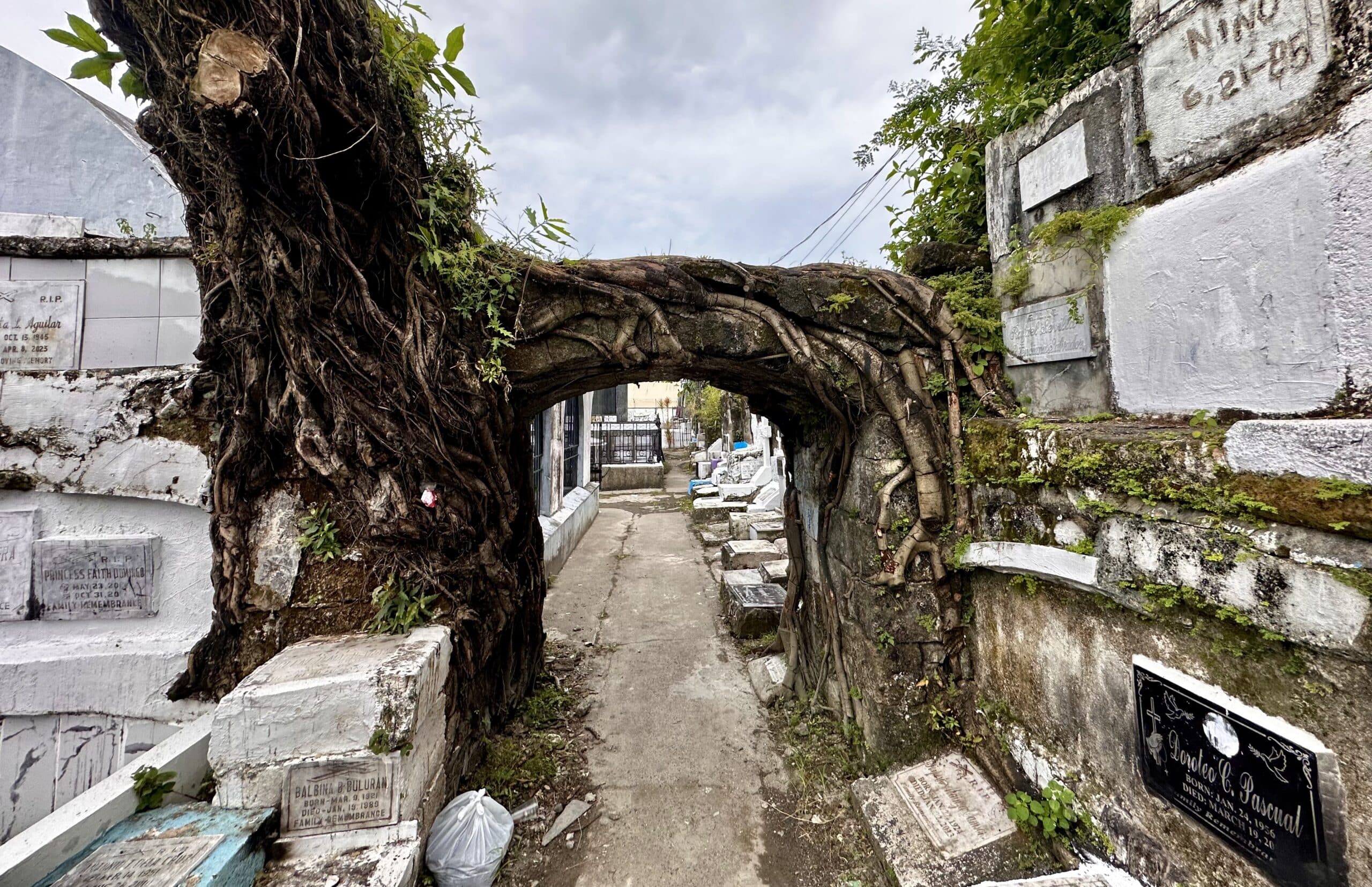
BULAKAN, Bulacan—Centuries-old arches that once symbolized the divide between the rich and the poor, even in death, remain standing at a Roman Catholic cemetery in this town, the former capital of Bulacan province.
At the municipal cemetery behind the Nuestra Señora de la Asunción Church, at least two old arches still stand as reminders of the Spanish colonial practice of separating burial grounds according to a person’s economic and social status.
Joey Meneses Rodrigo, a former municipal tourism and information officer, said the cemetery, much like Paco Park Cemetery in Manila, was divided into an inner section reserved for the principalia, or the wealthy and influential class, and an outer section for the indios, or ordinary Filipinos during the Spanish colonial period.
Article continues after this advertisement

Rodrigo said the historical explanation of the cemetery’s layout was shared by former parish priest Fr. Francis “Kaka” Cortez.
FEATURED STORIES
NEWSINFO
NEWSINFO
NEWSINFO
The cemetery, or campo santo, is part of the centuries-old Nuestra Señora de la Asunción Church compound, which was declared a significant national heritage and property by the National Museum of the Philippines nine years ago, placing the historic structures under heritage protection.
Every year, families visiting the cemetery to remember their departed loved ones on All Saints’ Day pass by the old arches, enduring reminders of a time when social divisions extended even to people’s final resting places.
KioskNews shows a cleaned-up reading view extracted from the publisher’s page — the original always lives on their site, not ours.