Invasive blackchin tilapia caught in large numbers off Chonburi coast
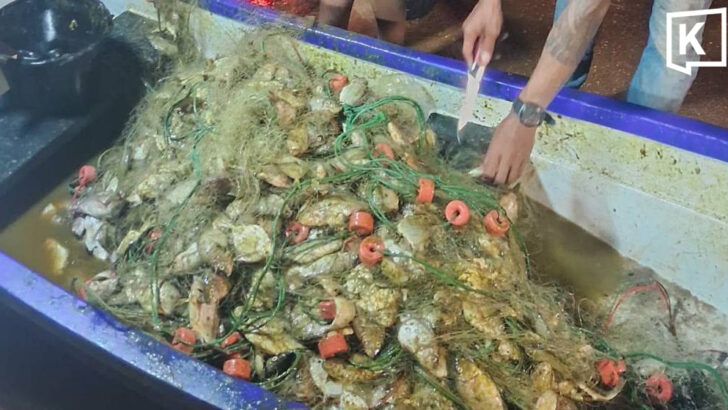
CHONBURI — 14 August 2026, A local fisherman in Chonburi was shocked after hauling up about 200 kilogrammes of blackchin tilapia in his fishing net off the coast of Rong Po in Bang Lamung district, raising concerns among local fishermen about possible impacts on marine ecosystems and mussel farms.
The incident occurred in the sea off Ban Bang Lamung, also known locally as Rong Po Bay, near the mouth of Bang Lamung Canal in Moo 4, Bang Lamung subdistrict.
A video posted on Facebook showed the fisherman pulling up his net, which was filled with blackchin tilapia (Sarotherodon melanotheron). The man wrote: “I went out to catch fish for dinner… but look what I found.”
The footage attracted attention among local residents.
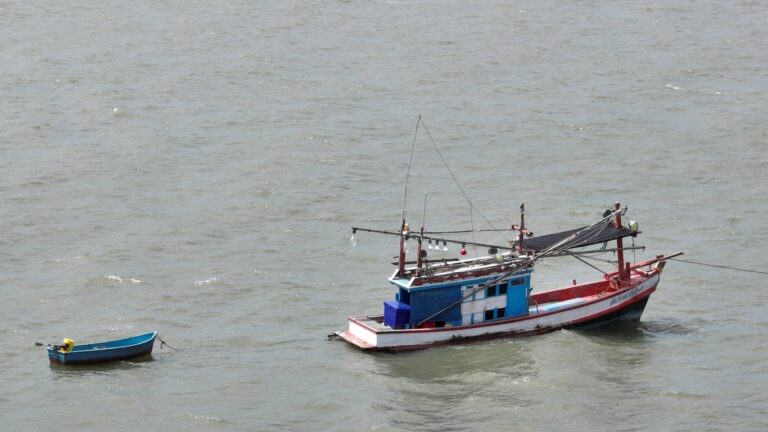
At 10:00 on 14 August, reporters visited Ban Rong Po beach, a local fishing community, and spoke with the fisherman who posted the video, 27-year-old Natthakorn Suea-iam, known locally as “Tai Nut”.
He said the incident happened on 12 August, when he took his boat out to set nets for grey mullet, intending to bring the fish home to prepare a meal for his family.
When he hauled in the nets, however, he found that almost the entire catch consisted of blackchin tilapia. The fish filled the boat, with the total catch estimated at about 200kg.
Natthakorn said he was shocked because he had spent his life around the sea and had never encountered such a large number of blackchin tilapia in the area.
He said he had previously heard about problems involving the invasive fish species in other parts of Thailand, but had never experienced the problem himself until now.
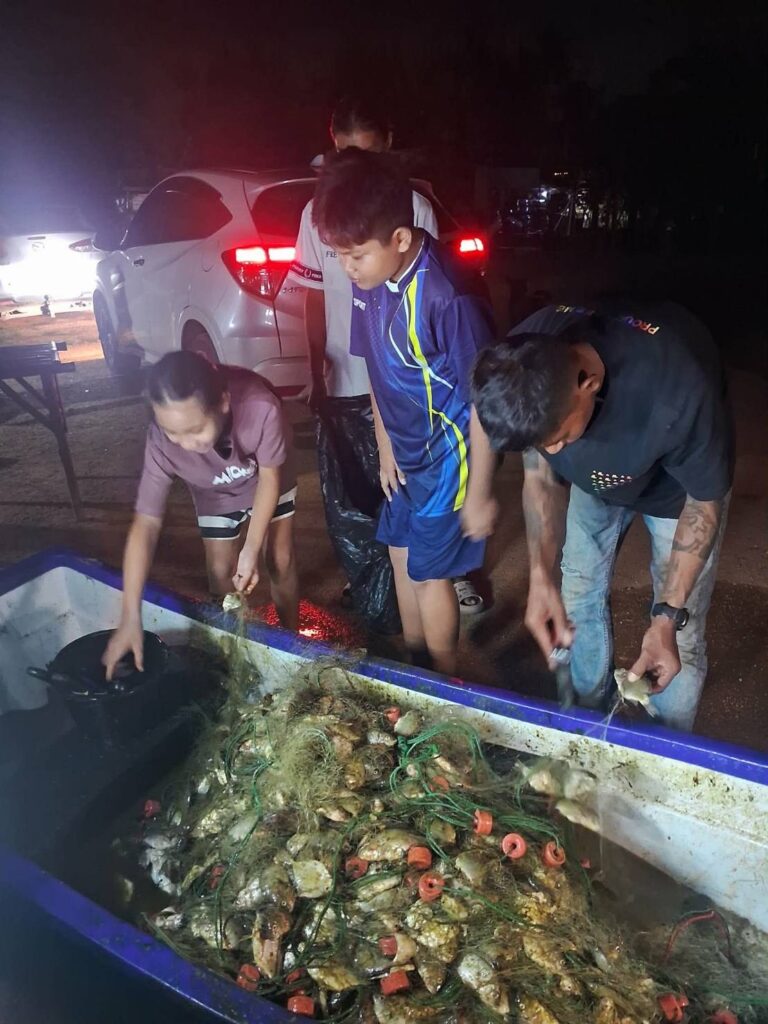
After bringing the fish ashore, Natthakorn posted a video inviting local residents who needed food to take some of the fish. Many residents subsequently came to collect them.
He also kept some of the fish to experiment with cooking, including frying them and making sun-dried blackchin tilapia. He said the fish tasted similar to Nile tilapia but had fattier meat.
Natthakorn said he was now concerned about whether the fish could affect the local ecosystem. While he acknowledged that he did not have sufficient scientific information to confirm any impact, he was particularly concerned that not a single other species was caught in the net during the fishing trip.

He speculated that the blackchin tilapia may have moved from Bang Lamung Canal into the sea following heavy rainfall. However, he stressed that this was only a local fisherman’s assumption and that authorities would need to investigate the source and establish the facts.
Local fishermen in Rong Po, many of whom also operate mussel farms alongside their coastal fishing activities, have expressed concern over the large number of blackchin tilapia found in the area.
They fear the species could affect local aquatic resources and coastal ecosystems, as well as mussel-farming areas.
The fishermen are calling on fisheries officials and relevant agencies to urgently survey the area, assess the fish population and distribution, and investigate any potential environmental impacts.
KioskNews shows a cleaned-up reading view extracted from the publisher’s page — the original always lives on their site, not ours.