Singapore wields ‘quiet diplomacy’ in minister’s surprise visit to Indonesia amid haze tensions
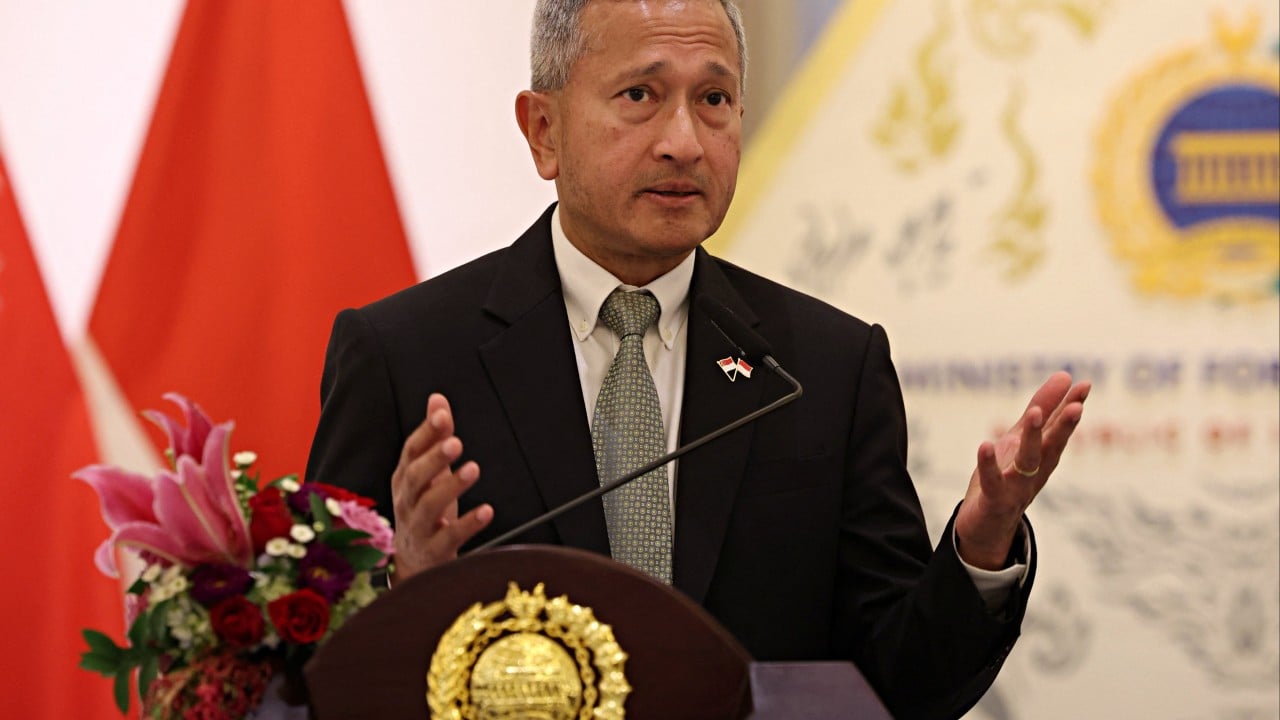
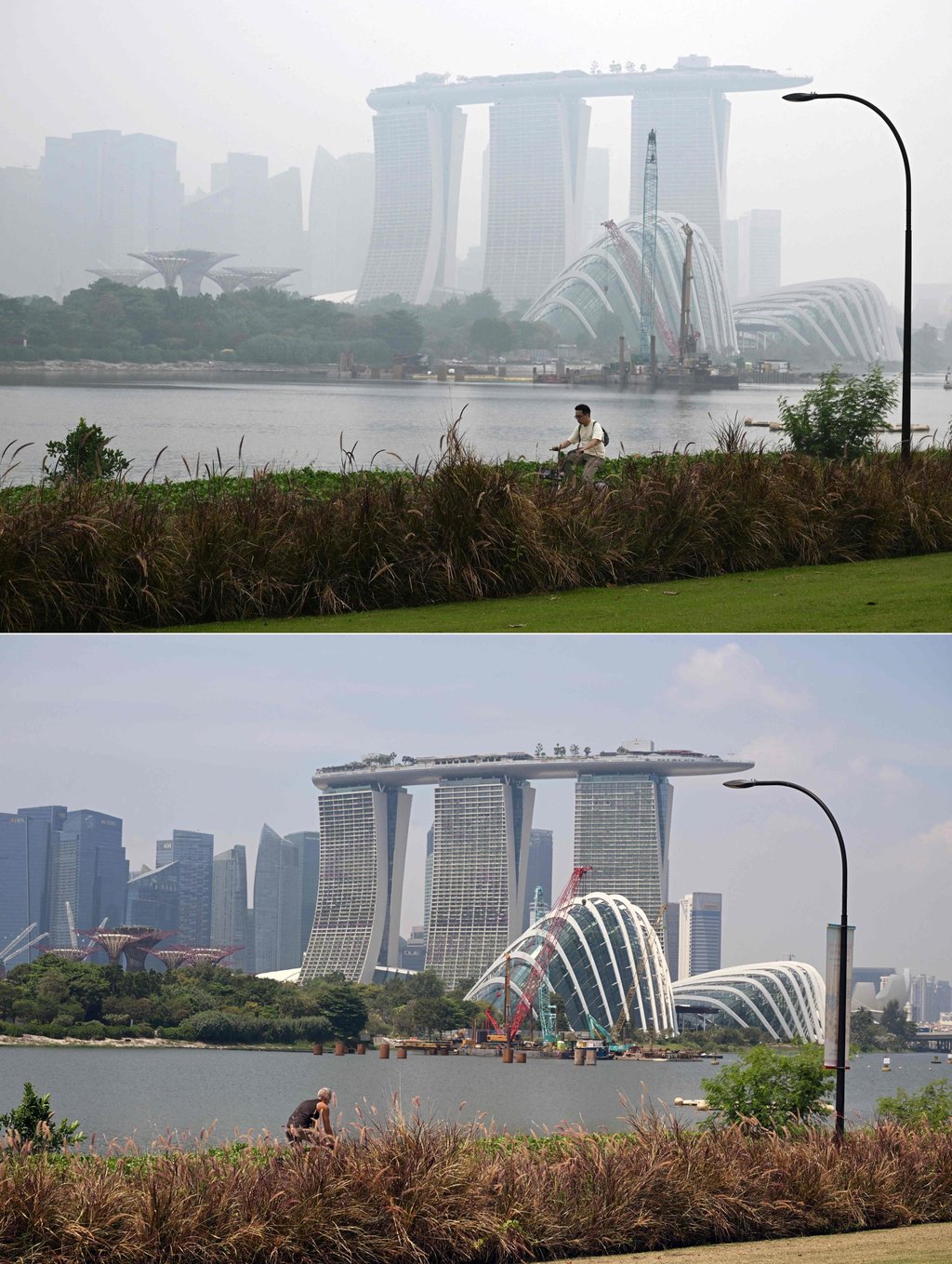
Balakrishnan’s trip coincided with a rare meeting back home in which bosses of 10 locally registered firms were summoned to a session with three ministers in a display of tough action against those linked to the haze.
Singapore’s foreign minister had flown in “suddenly” and requested an audience with Prabowo, local media cited Indonesian Cabinet Secretary Teddy Wijaya as saying.
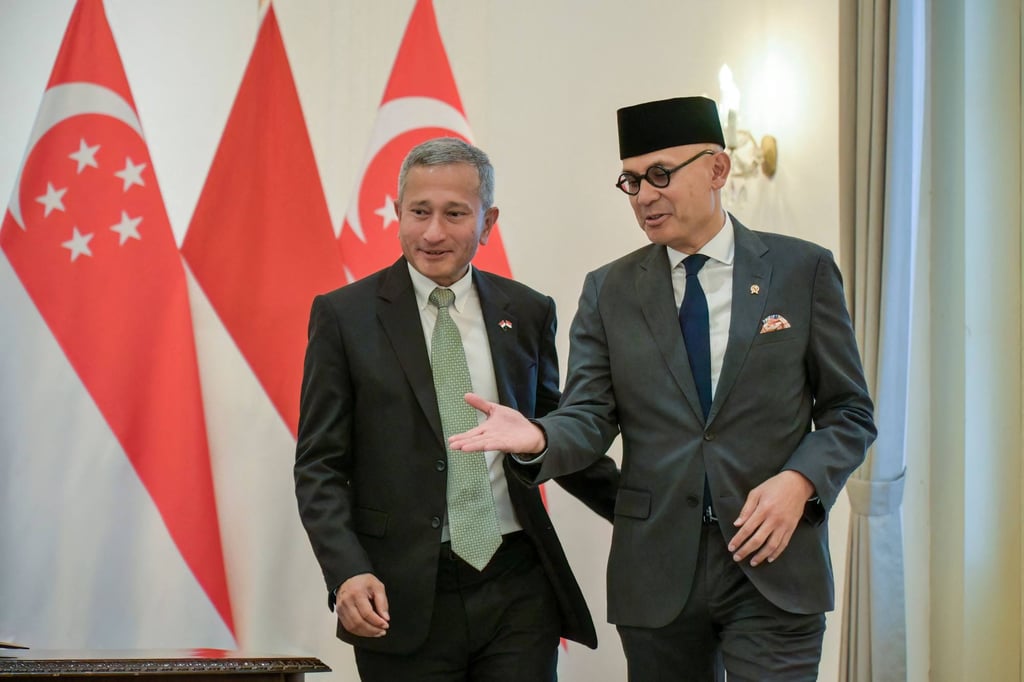
Speaking to reporters after the meeting, Balakrishnan said his trip was to ensure “high-level direct communication”.
“You can’t conduct diplomacy just by the phone or through the media, with all due respect. There’s face-to-face direct explanation, conveying concerns, and also looking for solutions,” he said.
The top diplomat declined to elaborate on the meeting’s details but said Prabowo and Singaporean Prime Minister Lawrence Wong had already corresponded “at the highest level”.
Balakrishnan met his Indonesian counterpart Arrmanatha Nasir on Tuesday, and both announced the establishment of a joint task force to investigate companies linked to haze-creating forest fires in Indonesia.
Balakrishnan said the task force would ensure close coordination and data-sharing between both sides. “We expect, therefore, the deterrent impact of this joint task force to make a difference.”
Lina Alexandra, head of the international relations department at the Jakarta-based Centre for Strategic and International Studies, said the task force was a “good start” but would require high levels of inter-agency cooperation.
“I’m very hopeful, actually, but there must be follow-ups and more intensive cooperation for sure,” she said.
Consistent ‘quiet’ diplomacy
Balakrishnan’s visit was consistent with Singapore’s measured approach in dealing with its larger neighbour, which reflected the city state’s constraints as a small nation, observers said.
His request to meet Prabowo personally was a “clear signal of urgency” on Singapore’s part for de-escalation, as well as a nod to Jakarta that it understood the strategic implications of the situation and wanted to stabilise ties before potential deterioration, said Collins Chong, a foreign affairs analyst at the University of Malaya.
“Reaching Prabowo directly is important because he has the political authority to provide the necessary reassurance,” he added.
Longer-term existential challenges of energy and food security, and economic competitiveness had always been Singapore’s bigger and more pressing strategic concerns, Chong said.
“For a resource-constrained small state, maintaining stable relations with its immediate neighbours is a fundamental national security necessity,” Chong said, noting that Singapore had similarly offered help to Jakarta in previous haze episodes.
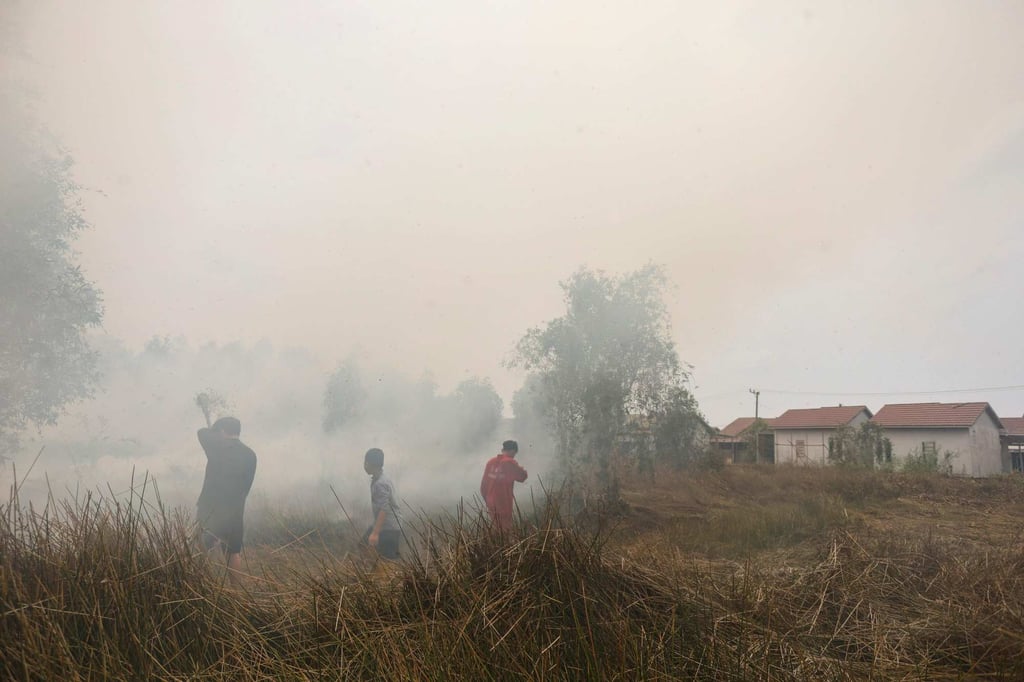
Tensions have been escalating in recent weeks, fuelled by allegations of economic sabotage and a reduction in gas supplies. Jakarta began cutting its gas line to Singapore on Saturday, citing rising domestic demand.
Former Indonesian trade minister Muhammad Lutfi claimed last week that Singapore’s sovereign wealth funds Temasek and GIC were working behind the scenes to push global index MSCI to downgrade Jakarta’s market status, prompting swift denials from both firms.
Observers noted that Balakrishnan did not explicitly raise both incidents during his visit. On Tuesday, the minister said Singapore had “full confidence” in Indonesia – a sentiment he noted was reflected in its actions.
“Of course, as neighbours, we may not always agree on everything. But what matters is how we manage our differences and overcome challenges together,” said Balakrishnan, who spoke occasionally in Bahasa Indonesia.
“As the Indonesian saying goes, ‘Share the heavy burdens, and carry the lighter ones together’.”
Alan Chong, a senior fellow at the S. Rajaratnam School of International Studies (RSIS), called the quote a “very diplomatic turn of phrase” and said, “I think the undeclared part of Balakrishnan’s visit to Jakarta is to actually sort out these issues and neutralise any negative fallout.”
He said Singapore had a precedent of using “quiet diplomacy” in its dealings with Indonesia, citing earlier incidents such as when then finance minister Purbaya Yudhi Sadewa suggested imposing a levy on ships passing through the Malacca Strait.
In response, Singapore reaffirmed on multiple occasions that transit through the strait was a right in accordance with international law.
Alexandra said she hoped the visit and the increased collaboration on tackling the haze would soothe bilateral tensions.
She suggested Indonesia “create a real mechanism to prevent such things from happening again so that these kinds of tensions can be avoided”.
Alan Chong warned that incidents such as the gas export cut – which Indonesia rationalised as a reaction to rising domestic demand – might occur with increasing frequency in the future as Prabowo continued nationalistic moves.
On Monday, Indonesia urged its umrah pilgrims to prioritise direct flights to Saudi Arabia over transit routes through Singapore, citing the potential to strengthen the country’s aviation industry.
“Singapore is a convenient target ... and I think [Prabowo] expects Singapore to take it in stride,” Alan Chong said.
Balakrishnan’s visit marked a bid to remind the Indonesia leader “we have got a good relationship, and let’s not rock it further”, he added.
Dangers of online rhetoric
While the cost of compromise may rise with intensifying nationalistic sentiments, observers say it is unlikely to affect long-standing bilateral cooperation.
Balakrishnan on Wednesday acknowledged that recent weeks were a “period of concern, anxiety and anger” for residents in Singapore, when air quality had breached “very unhealthy levels”.
Many Singaporeans have taken their frustration online, with some calling for their government to take harsher legal measures against its neighbour. Indonesians have similarly accused Singapore-headquartered firms of contributing to the forest fires.
On Sunday, Calvin Cheng, a former Singapore nominated member of parliament, floated the idea of cutting undersea fibre-optic cables, sharing a graphic stating that 90 per cent of Jakarta’s internet traffic routes passed through Singapore.
Indonesia’s Communication and Digital Affairs Minister Meutya Hafid hit back on Tuesday, noting that most of the subsea cable system connecting to Singapore passed through Indonesian waters.
“Should they be severed, whether accidentally or intentionally, 80 per cent of Singapore’s connectivity capacity would be at risk of collapse,” she wrote on social media.
Meutya said global tech investors could exit Singapore if they lost Indonesia’s user base of 267 million people – a population 47 times that of Singapore.
Alan Chong slammed Cheng’s remark as “naive”.
“You can express unhappiness, but you do not threaten the severing of communications as a form of retaliation,” he said.
01:56
Indonesia’s haze crisis becomes rallying point for student anger at President Prabowo
Unfriendly political rhetoric posed an “immediate danger” as it could create a cycle of nationalist reactions and risk neighbouring governments interpreting statements intended for a domestic audience, Collins Chong warned.
“This can narrow the political room for compromise and force both sides to demonstrate greater resolve, even when their underlying strategic interests favour cooperation,” he said.
Jefferson Ng, an associate research fellow at RSIS’ Indonesia Programme, said differences in economic principles and models between both states could have caused the “current turbulence”.
But he noted that both nations had established comprehensive cooperation across various issues. In July, leaders of the two countries signed 26 agreements which spanned areas such as economy, energy and defence.
“While online chatter and content have been at elevated levels in recent weeks due to frustrations on both sides, I think the overall bilateral relationship is very strong and will be able to weather the storm.”
Balakrishnan on Wednesday said political and polemic issues were bound to surface in the face of transboundary rows.
“It’s important for cool heads to prevail, for direct, honest, candid, constructive conversations to be had, and for us to look for a collective approach,” he said.
KioskNews shows a cleaned-up reading view extracted from the publisher’s page — the original always lives on their site, not ours.