Carney speaks to the European Parliament; what Canada might have to give up in EU alliance; and more
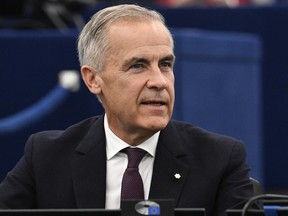
It’s Thursday, September 17. Here are the top stories we’re following today.
Sign In or Create an Account
On Thursday, the prime minister confirmed to the European Parliament Canada’s interest in becoming the first ever “associate member” of the European Union. Carney proposed Canadian energy and critical minerals in exchange for knocking down trade and travel barriers as well as deeper integration on tech, defence and artificial intelligence. Meanwhile, Trump threatened to take action against Europe if he perceives the new Canada-EU alliance as a “hostile act.”
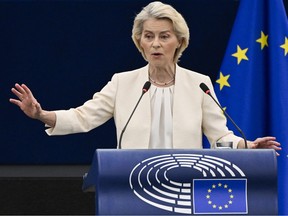
Mark Carney said visa-free travel, financial integration and “seamless digital trade” could be part of the Canada-EU partnership. You can read or watch Carney’s full speech here. For full members, the benefits of being in the EU come with significant weakening of control over their national interests.

The study found that like the Gaza Ministry of Health, the outlets (CNN, BBC, The New York Times, The Guardian, The Washington Post, Australian Broadcasting Corporation, Reuters and Associated Press) did not distinguish between terrorist and civilian deaths in their reporting. Articles rarely included data from Israeli sources. “Estimates indicating a high proportion of civilian deaths may contribute to reframing a conflict from war to genocide,” says the independent study.

“Ontario exports $287 billion worth of goods and services to the U.S. annually, more than 70 per cent of the province’s international exports,” Denley writes. “If that can’t be sustained, Ford needs a plan B that doesn’t involve buying new jobs, spending billions subsidizing old jobs, or relying on Carney to put Ontario first.”
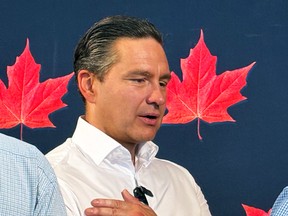
An MP is stepping down on Friday, meaning Mark Carney will have to call a byelection within the next six months. With Pierre Poilievre and the Conservative party seemingly in a vulnerable state, some Liberals are pushing Carney to call an early general election — which is a risky move. “Politicians are obliged to capitalize on their opportunities or, in Macbeth’s words, it’s ‘out, out, brief candle’,” Ivison concludes.
Join the Conversation
This website uses cookies to personalize your content (including ads), and allows us to analyze our traffic. Read more about cookies here. By continuing to use our site, you agree to our Terms of Use and Privacy Policy.
KioskNews shows a cleaned-up reading view extracted from the publisher’s page — the original always lives on their site, not ours.