Ridley Scott's 'Blade Runner Meets Dune' Series Is A Masterclass In Hard Sci-Fi

Tom is a Senior Staff Writer at Screen Rant, with expertise covering everything from hilarious sitcoms to jaw-dropping sci-fi epics.
Initially he was an Updates writer, though before long he found his way to the TV and movies team. He now spends his days keeping Screen Rant readers informed about the TV shows of yesteryear, whether it's recommending hidden gems that may have been missed by genre fans or deep diving into ways your favorite shows have (or haven't) stood the test of time.
Tom is based in the UK and when he's not writing about TV shows, he's watching them. He's also an avid horror fiction writer, gamer, and has a Dungeons and Dragons habit that he tries (and fails) to keep in check.
When it comes to hard sci-fi, two franchises with almost impossible thematic depth to match are Blade Runner and Dune. Both properties treat their sci-fi concepts like advanced artificial intelligence and engineered societies with dangerous concentrations of absolute power as much more than futuristic window dressing. Both Dune and Blade Runner use spectacular technology to explore uncomfortable truths about how technological innovation can quickly lead to irreversible change, with progress almost always coming with a huge cost.
However, despite having similar levels of intellectual ambition, Blade Runner and Dune are worlds apart. One explores manufactured life through the lens of a rain-soaked neon-lit cyberpunk dystopia. The other examines ideas like religion, empire, and ecological exploitation across a sprawling interstellar civilization. Their philosophical concerns overlap, but their stories, settings and atmospheres are totally different. That distinction makes HBO’s Raised by Wolves, which counts Blade Runner's Ridley Scott among its executive producers, essential viewing for fans of either franchise.
Airing for two seasons between 2020 and 2022, Raised by Wolves is a thematically complex tale of two androids raising children on the uninhabited planet Kepler-22b after religious warfare devastates Earth. It combines Blade Runner’s anxieties about artificial life with Dune’s fascination with religious doctrine and control, while also developing an unsettling identity entirely its own. It's a series stacked to the brim with strange mysteries set in an unforgiving alien landscape, all underpinned by an exploration of where the boundary between artificial intelligence and genuine personhood truly is and how ideas like faith and family blur the lines.
Raised By Wolves Brings Blade Runner’s AI Fascination To Dune’s Religious Fanaticism

Raised by Wolves has plenty of tangible creative connections to Blade Runner and Dune. Blade Runner director Ridley Scott was an executive producer of the show, and also directed its first two episodes. The show’s creator, Aaron Guzikowski, has also collaborated with Dune trilogy director Denis Villeneuve in the past. However, the series’ similarities to both go beyond its creative team. It’s a spiritual successor to both franchises in many ways, especially when it comes to its core themes.
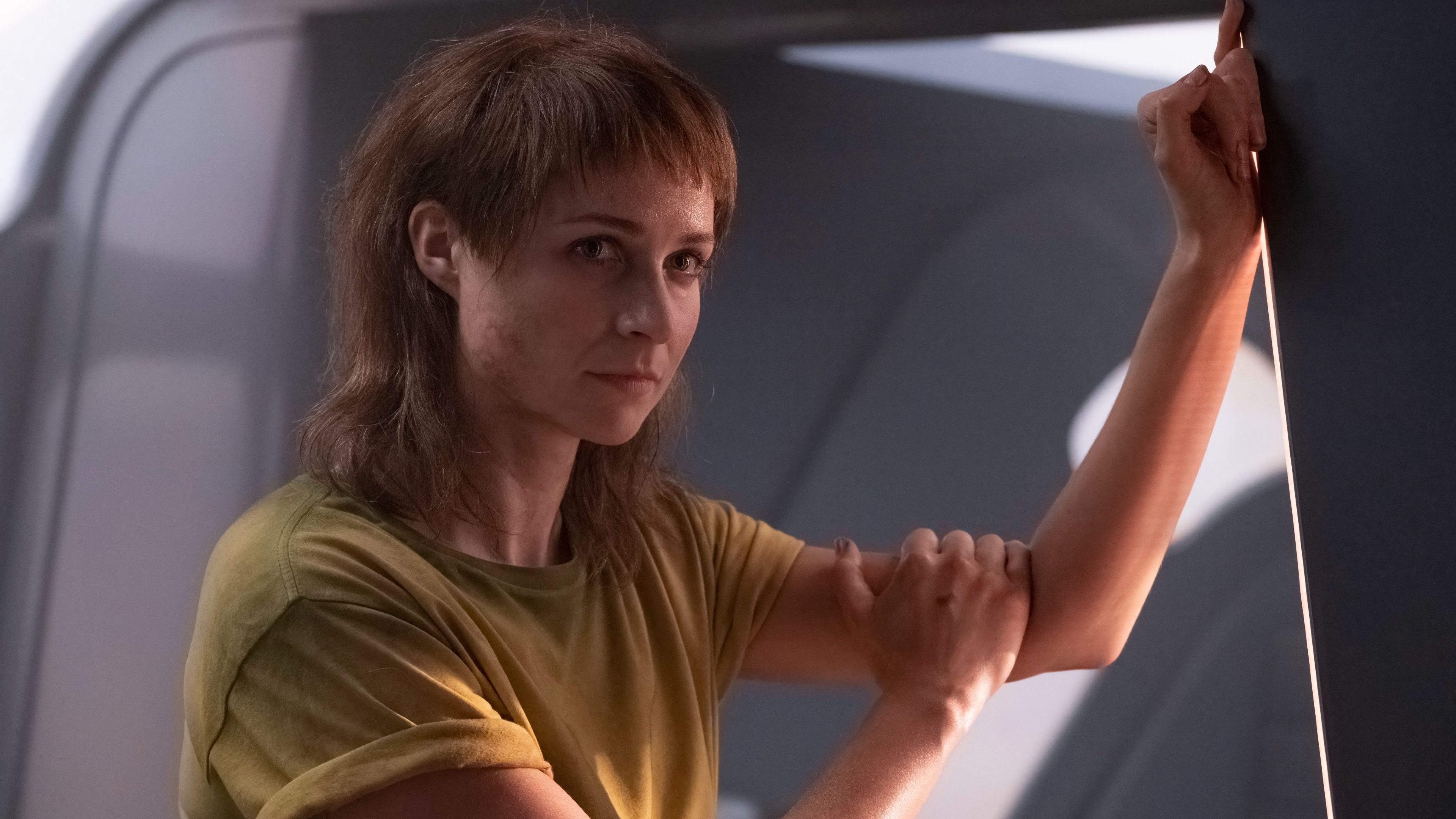
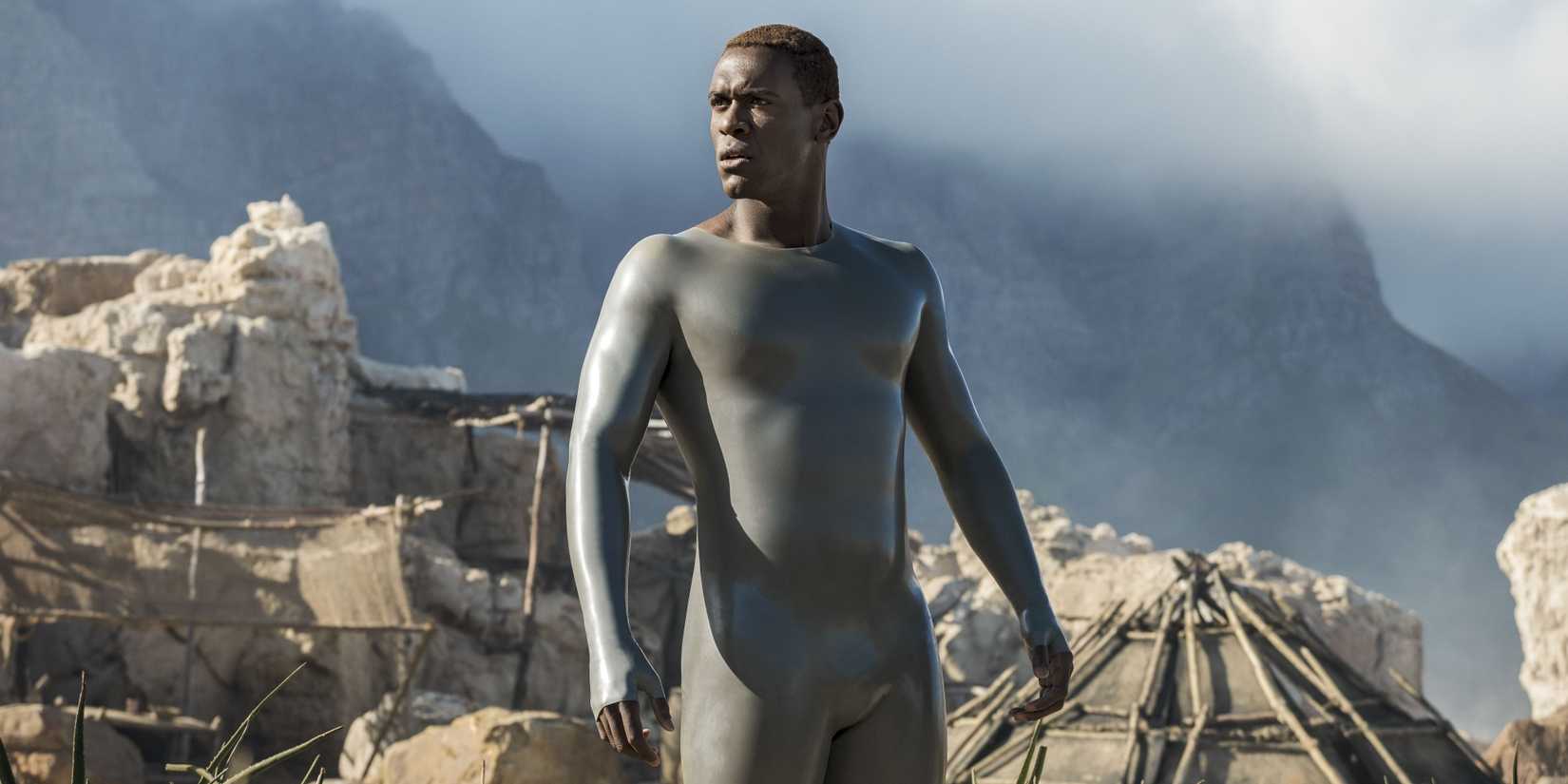
The thematic connection between Raised by Wolves and Blade Runner is through the androids Mother (Amanda Collin) and Father (Abubakar Salim). Tasked with raising human children as atheists, these synthetic caregivers find themselves developing genuine emotional attachments that complicate the distinction between programming and genuine feeling. Father’s insecurity and Mother’s fierce protectiveness are used to examine whether artificial consciousness could develop true familial bonds just like human beings. Just like in Ridley Scott’s Blade Runner, supposedly simulated emotions soon start to feel more convincing than the humanity displayed by actual people.
Meanwhile, the Dune parallels emerge through the religious group known as the Mithraic, whose worship of Sol is used as a justification for violence. Prophecy shapes how survivors of the holy war on Earth interpret the mysteries of Kepler-22b, turning unexplained events into apparent confirmation of their beliefs. Just like the Dune movies and books, Raised by Wolves is fascinated by the ease with which religious authority can be used to manipulate well-meaning people into committing truly atrocious acts.
Where the true genius of Raised by Wolves lies is that its artificial intelligence and religious fanaticism storylines are inseparable. Questions around who should raise humanity and the purpose of faith and belief following catastrophe are parts of the same conversations. It may explore the same philosophical territories as both Dune and Blade Runner, but Raised by Wolves investigates these themes in a way that’s entirely its own.
The Fate Of Raised By Wolves Is Truly Tragic
Few streaming-era sci-fi shows have committed so completely to a complex philosophical exploration quite like Raised by Wolves. The series dived head-first into ideas like domestic tension, religious warfare, and the challenges of settling on an alien world. This meant it was intellectually demanding, but also incredibly satisfying. There are few, if any, sci-fi series out there like it, and this ambition makes its eventual cancellation an especially difficult pill to swallow.
HBO Max ended Raised by Wolves in 2022 after two seasons, leaving the story unfinished and the second season’s cliffhanger ending unresolved. The decision followed the WarnerMedia-Discovery merger, with Raised by Wolves being one of several HBO shows that didn’t survive the corporate shift. The abrupt halt was bad enough, but what came next felt, in no uncertain terms, like fans were being kicked while they were already down.
Later the same years, Warner Bros. Discovery announced that both seasons of Raised by Wolves would leave HBO Max as part of a strategy to license programming to third-party free, ad-supported services. Once again, the shift accompanied broader restructuring and cost-cutting, so it wasn’t the only series to suffer this fate. Still, for fans, not being able to access a beloved HBO Max original on HBO Max felt borderline-insulting.
There were also worries it would make the show hard to watch at all, and those fears aren’t unfounded. At the time of writing, there’s nowhere to stream Raised by Wolves in the US or even purchase it for digital ownership (via JustWatch). A series this visually distinctive and intellectually ambitious should have remained a showcase for what prestige TV-era sci-fi could achieve. Instead, Raised by Wolves’ unfinished story became an especially frustrating example of just how brutal the age of streaming can sometimes be.

- Release Date
- 2020 - 2022-00-00
- Network
- HBO Max
- Showrunner
- Aaron Guzikowski
- Directors
- Alex Gabassi, Luke Scott, Ernest R. Dickerson, Lukas Ettlin, Ridley Scott, Sergio Mimica-Gezzan, Sunu Gonera
- Writers
- Aaron Guzikowski
KioskNews shows a cleaned-up reading view extracted from the publisher’s page — the original always lives on their site, not ours.