‘Companions on the same path’: 1 year on, Tai Po fire survivors lean on one another
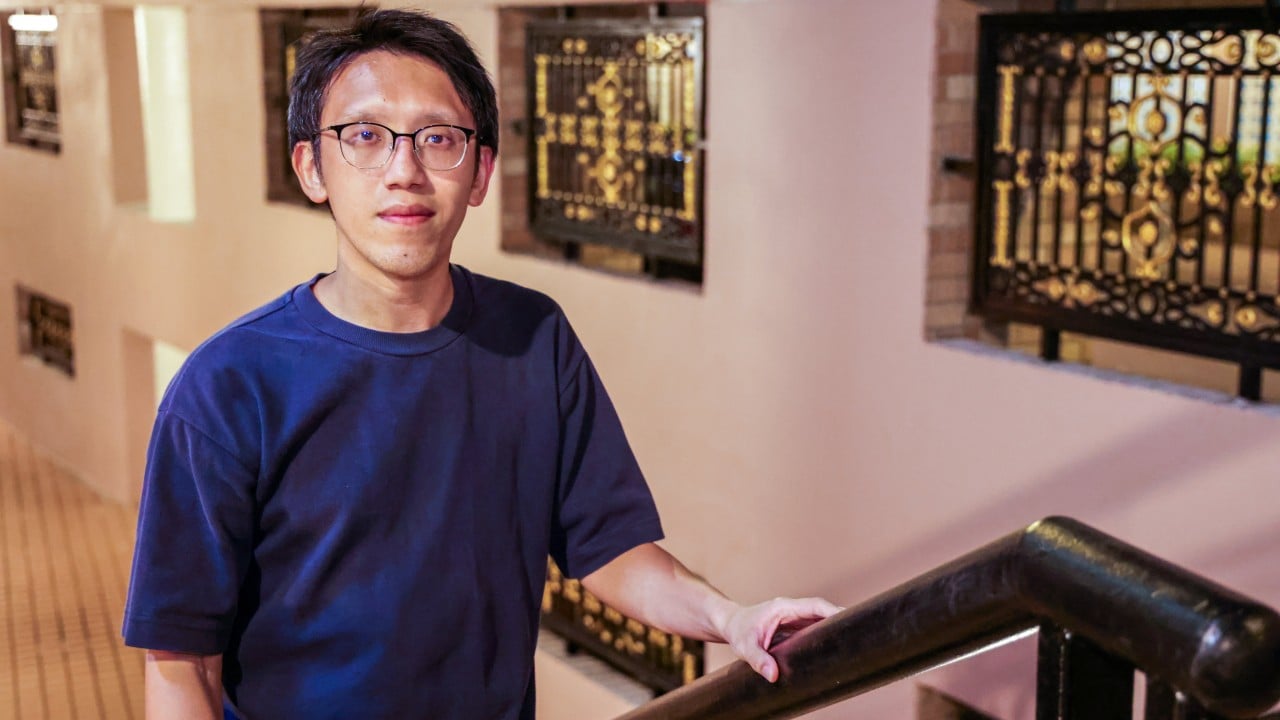
A year after Hong Kong’s deadly fire at Wang Fuk Court, Chu Ho-chuen, who lost his 76-year-old father in the tragedy, has formed a new bond with other bereaved families – one that has offered them solace.
The families have stayed connected through a WhatsApp group, sharing updates on subsidies and support services, while opening up about their grief.
“When you are experiencing something very painful, knowing that others are going through the same thing helps ease that sense of loneliness,” the 38-year-old said.
Last November’s inferno tore through the Tai Po residential complex, killing 168 people, displacing about 5,000 residents and shattering neighbourhood ties built over decades.
In the year since, bereaved families and survivors have formed new bonds of solidarity, finding in one another both emotional support and the courage to seek justice.
Describing the fire as a disaster that should never have happened, Chu said it was natural for those who had lost their loved ones and their homes to turn to one another, particularly when support was limited in the chaotic early days.
That mutual support gave him a sense of comfort when he struggled with grief after identifying his father’s remains, which were little more than fragments of bone.
“When I found my father, his remains were in a very bad state. And later in the victims’ families group, we shared about the state of our deceased family members,” he said.
“The mental support is about having people who are going through something similar and understand it.”
The connection they formed went beyond emotional support. It also empowered residents to speak out and push for accountability and justice.
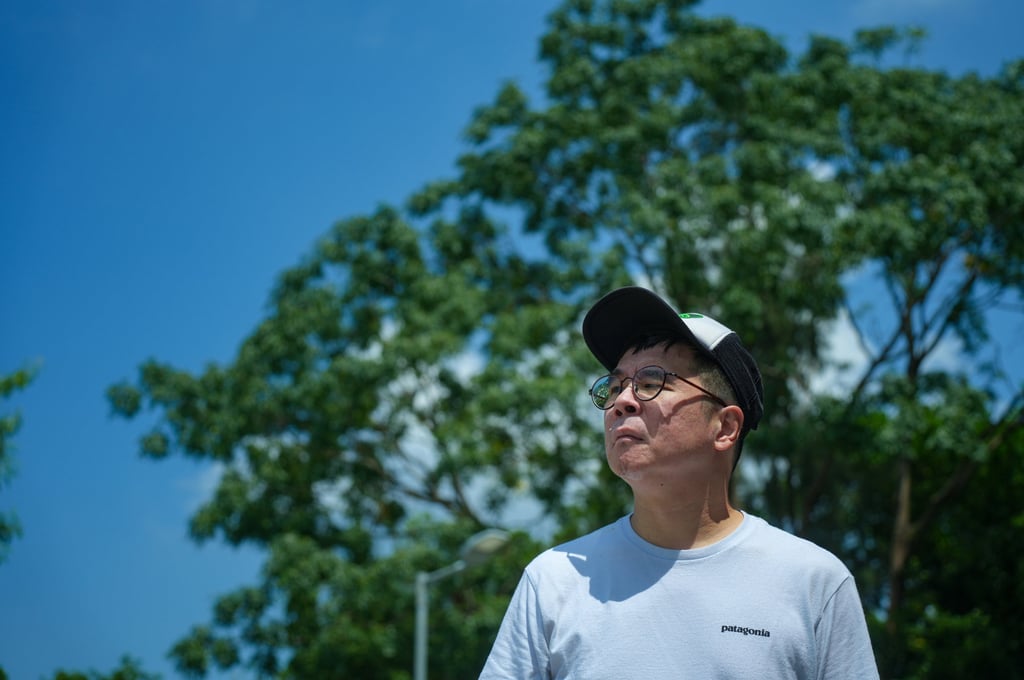
In the run-up to the first anniversary, Hilary Lau, 49, who lost both parents in the fire, began discussing a petition with fellow residents calling for a permanent memorial and an official mourning ceremony.
“If I were on my own, I might not have enough courage to speak out. Being with other neighbours gives me the courage to do so,” Lau said.
“When more residents come together and raise the issues, there is a better chance the government will take them more seriously.”
The group earlier wrote to authorities demanding the estate be redeveloped on its original site, while also pressing for accountability ahead of the release of the independent committee’s report last month.
Lau said residents also shared expertise, including lawyers advising on inheritance procedures and potential legal action, issues he described as crucial in dealing with the blaze aftermath.
“I hope that on the second, the third and even the 10th anniversary, we can still stay united and keep going until the demands we hope for are achieved,” Lau said.
While younger residents found strength in one another, older survivors who spent decades in Wang Fuk Court found the rupture in their social circles far harder to mend.
Welfare chief Chris Sun Yuk-han recently pledged to maintain social worker support for victims of the fire for years.
“For those who lost family or were seriously injured, trauma and mental health support will last years, even decades,” he told a radio programme on Sunday. “Others’ needs may lessen, but we will not withdraw support, because you never know when they will need help again.”
Tucked into the southeast corner of Tai Po and separated from the rest of the district by rivers, the four-decade-old estate had long felt like a self-contained and close-knit community.
Many residents had bought their flats for retirement, and their children grew up there. Brief chats in lift lobbies and evening gatherings in the park gradually wove deep bonds, even among neighbours who never learned one another’s names.
Sdanni Yip Ka-kui, who lost his wife in the fire, regarded Wang Fuk Court – where he had lived for more than 20 years – as his roots. But resettlement severed and uprooted those long-standing ties.
“If I lived in the government’s transitional housing, I might still see other neighbours from time to time,” said Yip, who now lives with his son and is no longer near his former neighbours.
“I have basically been cut off from the social network I used to have.”
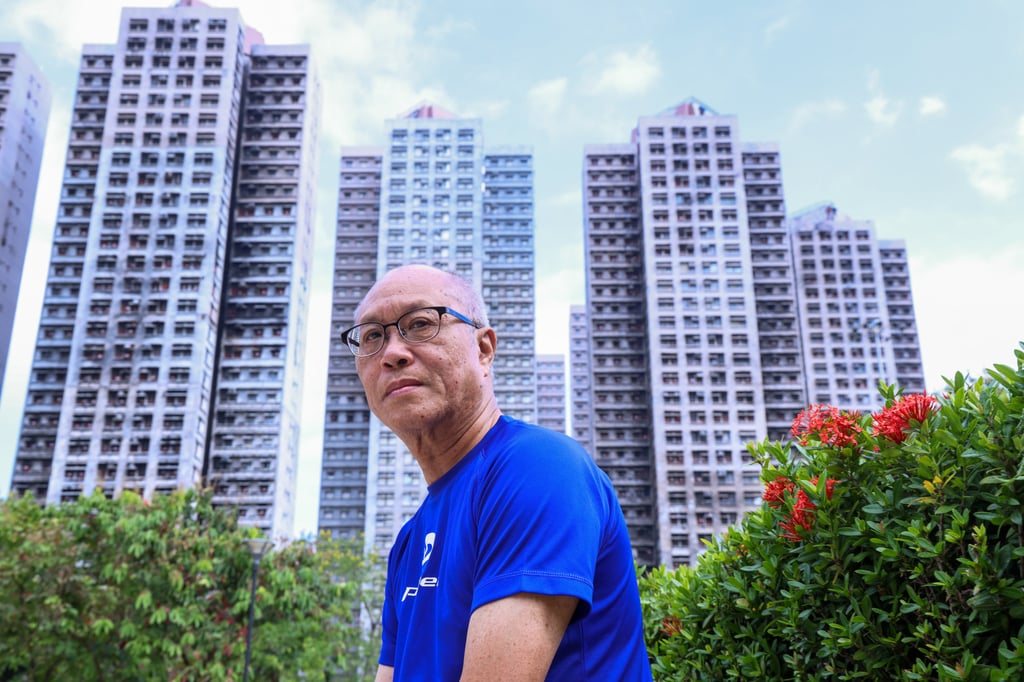
Establishing new relationships in an unfamiliar neighbourhood was also difficult for Yip, who felt ties with his new neighbours were distant. He stressed that the bonds built in Wang Fuk Court were not formed overnight and could not be easily replicated.
However, the shared ordeal created a different kind of connection with fellow residents for Yip, who joined others in taking part in the independent inquiry hearings and speaking to the media occasionally.
“I am grateful. We are companions on the same path, who are willing to stand up and fight for justice, and to seek answers for our family members who died,” he said.
“When we are in loss and disconsolate, the mutual support of those who have the same experience has been especially important.”
Chu’s 70-year-old mother, who had lived in Wang Fuk Court for more than four decades, also struggled with an upended life after losing her husband and her entire social circle.
“She was a full-time housewife, and her entire social circle was there,” said Chu’s sister, who identified herself by her initials, WL.
“My father had also been her companion. She is in great pain.”
Chu added that his mother had a daily routine for meeting friends.
“For many years, for example, she would go ‘drink tea’ with Mrs Wong in the morning, and see Mrs Chan in the afternoon, and later meet Mrs Ho in the park by the evening,” she said.
“But all of a sudden, it was as if she had lost all her friends. Especially for elderly people, they do not keep in contact on WhatsApp.”
There were days when Chu’s mother went without talking to anyone. Occasional returns to the old neighbourhood, where she could meet familiar faces, already brought her great joy.
Residents’ WhatsApp groups also helped by circulating information about community activities organised by churches and NGOs. Chu’s children encouraged her to join, hoping she could reconnect with old neighbours and friends.
But a greater challenge looms as Chu’s mother is due to move to Kai Tak under the government’s resettlement plan, where she will have to acclimatise to a new community. Chu called for sustained support to protect elderly residents’ mental health and help them rebuild social circles.
“It is only the starting point,” Chu said. “I hope the government understands that longer-term support is still needed: emotional and psychological support, counselling and more humanised follow-up.”
KioskNews shows a cleaned-up reading view extracted from the publisher’s page — the original always lives on their site, not ours.