Heat turned down on holy basil controversy
Minister reassures farmers after rights protection granted to CP Group for 4 varieties
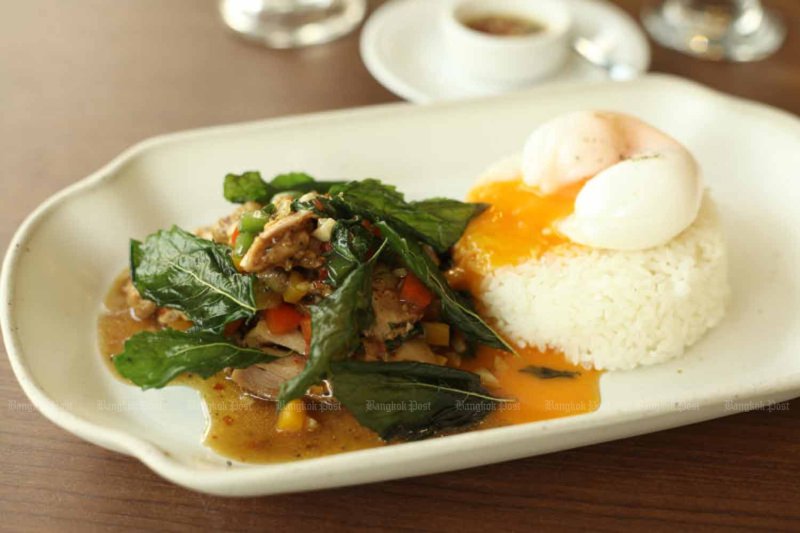
Thailand’s agriculture minister has stepped in to calm the nerves of farmers and foodies about access to holy basil for the country’s beloved phat kaphrao stir-fry.
Suriya Juangroongruangkit was responding to concerns raised about rights protection for four varieties of holy basil granted to a subsidiary of the agribusiness conglomerate Charoen Pokphand Group.
He said farmers and the general public can grow protected varieties of holy basil for their own consumption, but growing for any commercial purposes would require permission from the rights holder.
The registration and protection of new plant varieties safeguards the investment made in private-sector research, much like the protection afforded to pharmaceutical research, local media quoted the minister as saying.
CPRAM Co Ltd, the ready-to-eat food manufacturing unit of the CP Group, holds the rights to commercially grow four varieties of holy basil that it developed.
The protection granted by the Department of Agriculture covers the Kaew Churee 01, 02, 03 and 04 varieties and is valid for 12 years from 2024 to 2036.
The company developed the four varieties from an indigenous variety of holy basil codenamed CPR1 to find suitable varieties for food preparation, and specifically for use in the ready-to-eat meals that it makes.
CPRAM operates 16 factories that produce ready-to-eat frozen meals, bakery items and sushi products that are distributed to the group’s 7-Eleven, Makro and Lotus’s stores.
“The law allows the developers of new plant varieties to seek rights protection,” Mr Suriya said on Thursday. “I can confirm that the rights protection does not prohibit people in general from growing basil for their own consumption.”
Traditional, indigenous varieties of holy basil that farmers currently grow and sell remain unaffected and can continue to be cultivated and traded as usual3.
Meanwhile, the Department of Agriculture is developing new plant varieties for the interest of farmers, he said.
The environmental and agriculture watchdog BioThai has raised concerns that if Thailand amends its plant variety protection laws in the future, it could potentially infringe on the rights of farmers to save or share seeds for future planting.
Holy basil is a main ingredient of phat kaphrao, which was ranked one of the “Best Stir-fried Dishes in the World” by TasteAtlas.
KioskNews shows a cleaned-up reading view extracted from the publisher’s page — the original always lives on their site, not ours.