Negeri Sembilan: Umno’s constitutional miscalculation
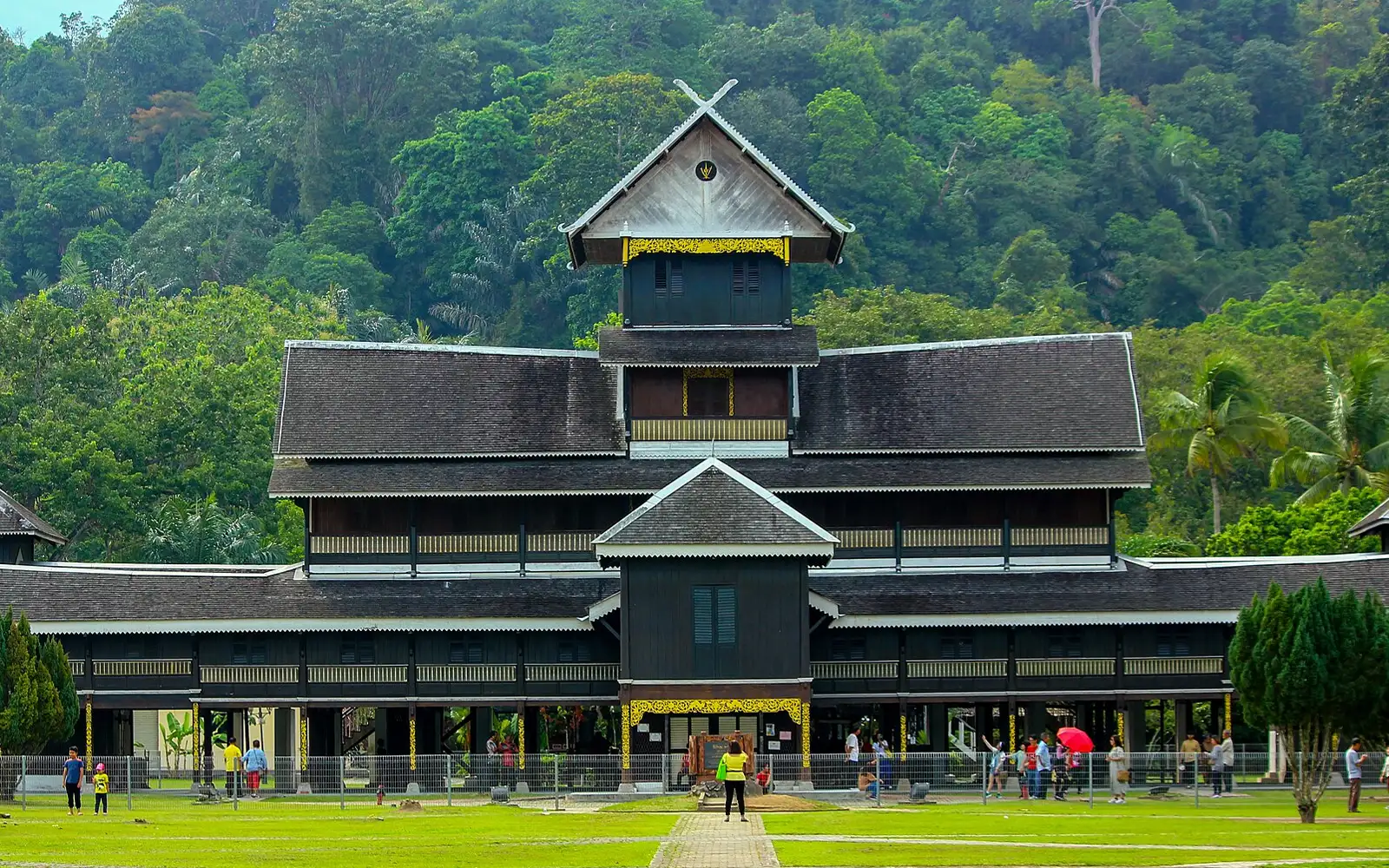
The constitutional crisis in Negeri Sembilan would never have happened if Umno had respected the rule of law and the constitution.
The attempt to depose the ruler, Yang Dipertuan Besar of Negeri Sembilan Tuanku Muhriz Tuanku Munawir, appears to have been the result of Umno’s political arrogance following its victory in the state election.
Winning an election does not give a political party the right to manipulate constitutional institutions for partisan purposes.
The customary rules governing the appointment of the Yang Dipertuan Besar appear to have been manipulated to serve the political interests of Umno’s leadership.
Whether the national leadership of Umno gave the green light for the attempt to depose the legitimate and constitutional Yang Dipertuan Besar remains unclear.
But one can reasonably ask: if the attempt had succeeded, would the national leadership of Umno have objected?
I suspect it would have welcomed the outcome.
The moves to depose the current Yang Dipertuan Besar smacked of illegality and were, as subsequently indicated by the Attorney-General’s Chambers (AGC), contrary to the constitutional requirements governing the position.
Umno has therefore found itself trapped in a legal and constitutional quagmire of its own making.
The AGC’s position that the attempt to remove the Yang Dipertuan Besar was invalid and inconsistent with the constitution provided the Yang Dipertuan Besar with legitimate constitutional grounds to respond.
It was only a matter of time before the “Empire struck back” – and struck back decisively.
The Yang Dipertuan Besar subsequently declared that the constitutional basis for the appointments of the state executive council members had been compromised and revoked their appointments.
The menteri besar was not removed, but the political machinery through which he governs has been seriously checkmated.
This is an extraordinary constitutional situation.
The menteri besar remains in office, yet the members of the executive council who normally assist him in administering the state have been removed.
The result is a government whose political and administrative capacity has been significantly constrained.
Umno should never have attempted to manipulate Negeri Sembilan’s traditional ruler appointment system for political advantage.
The unique customary system governing the selection of the Yang Dipertuan Besar is part of Negeri Sembilan’s constitutional heritage. It should not become an instrument for political engineering.
By attempting to replace the present Yang Dipertuan Besar with a ruler perceived to be more pliant or politically accommodating, Umno has created far greater problems than it can manage.
Ironically, the attempt to weaken the Yang Dipertuan Besar may have strengthened his constitutional position. The Yang Dipertuan Besar now stands as the constitutional authority who resisted what appeared to be an attempt to remove him through means that were subsequently challenged on constitutional grounds.
It is said that the present ruler has long been uncomfortable with the manner in which Umno conducts politics in the country.
I further understand from reliable sources that the present Yang Dipertuan Besar’s abhors corruption and insists on respect for the law and the constitution.
So, was the attempt to change the ruler really about constitutional principle, or was it about political convenience?
If the latter was the case, then Umno seriously miscalculated.
Thanks to the methods allegedly employed to remove the Yang Dipertuan Besar, the very institution that Umno sought to weaken has emerged with greater constitutional authority.
The lesson should be obvious.
Political parties may win elections, command majorities and form governments, but they do not own the constitution. Neither electoral victory nor political power gives them the licence to bend constitutional conventions to suit partisan interests.
The Negeri Sembilan crisis is therefore more than a dispute between the palace and the state executive council. It is a test of whether political power will remain subordinate to constitutional authority.
Umno created the crisis. It must now take responsibility for finding a way out of it.
If there is to be a retreat from this constitutional confrontation, Umno must make the first move.
P Ramasamy is the chairman of Urimai and a former Penang deputy chief minister.
The views expressed are those of the writer and do not necessarily reflect those of FMT.
KioskNews shows a cleaned-up reading view extracted from the publisher’s page — the original always lives on their site, not ours.