Government seeks prospective application of Supreme Court verdict on OBC creamy-layer criteria to prevent ‘chaos’
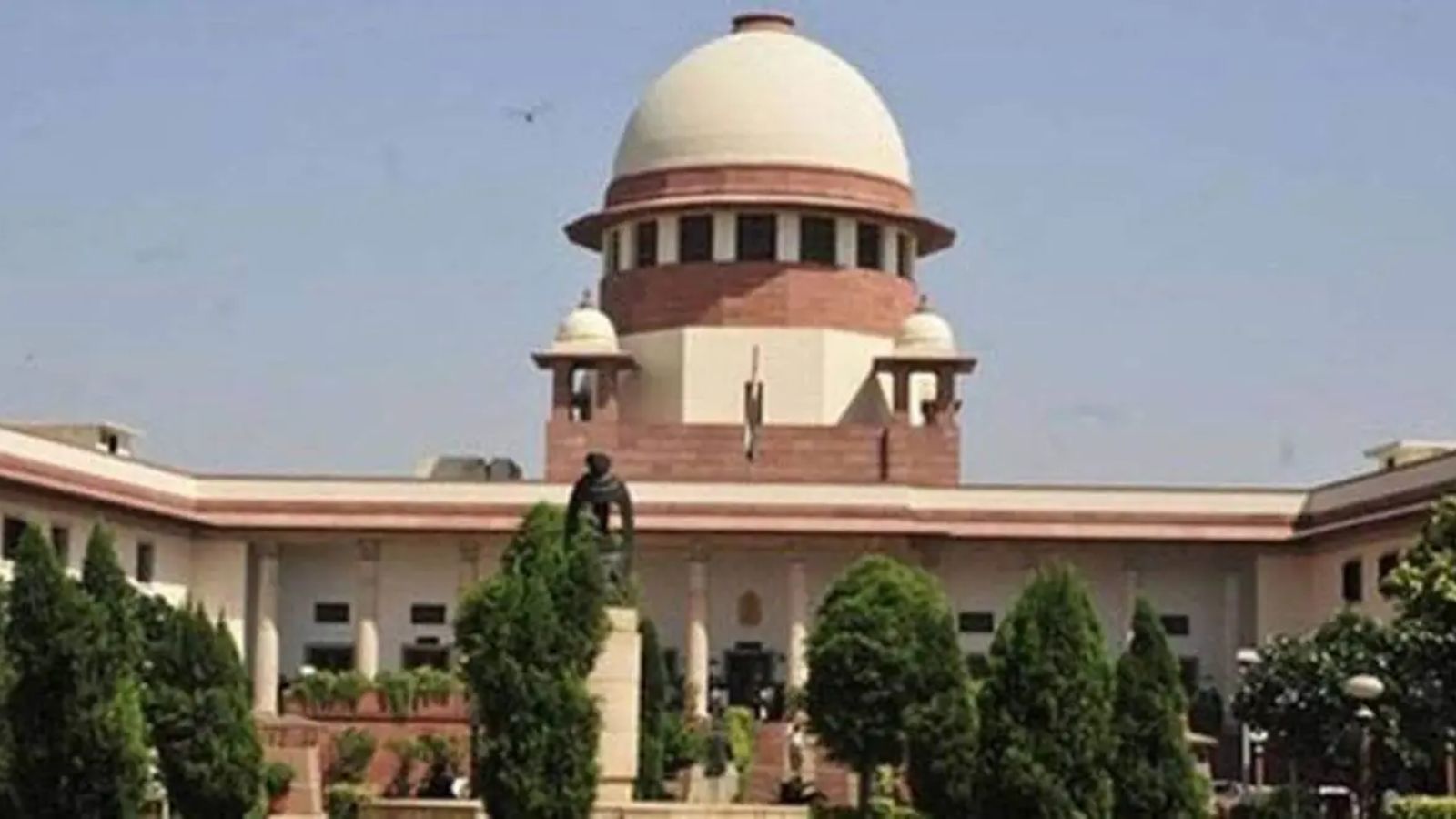
The Centre said if the judgment was not given prospective effect, it would result in “several harsh and unjust unintended consequences” for employees and appointees who were not even parties to litigation, besides causing “complete administrative chaos”. (File Photo)
The Centre on Thursday urged the Supreme Court to give it a “reasonable time” of two or more years to operationalise its March 11, 2026 judgement, which held the creamy layer status of Other Backward Classes (OBC) cannot be decided solely on parental income. The government argued retrospective or belated application of the changed eligibility criterion could unsettle appointments and admissions made under prevailing rules and certificates.
A bench of Justices P.S. Narasimha and R. Mahadevan reserved its order on the miscellaneous application, which sought invocation of the SC’s powers under Article 142 of the Constitution to give the judgment prospective effect.
The Centre said if the judgment was not given prospective effect, it would result in “several harsh and unjust unintended consequences” for employees and appointees who were not even parties to litigation, besides causing “complete administrative chaos”. Prospective effect, it said, would ensure that ongoing and past recruitment processes remained unaffected. It argued that implementing the judgment retrospectively could have significant consequences, “Retrospective or belated application may create uncertainty regarding OBC-Non Creamy Layer status, seniority, service conditions and career progression— while also potentially affecting admissions to central and state educational and professional institutions,” the government contended.
The government listed several consequences of retrospective application, including retrospective allocation of services to fresh candidates from Civil Services Examinations held since 2012, retrospective reallocation of cadres for candidates already in IAS or IPS, potential discrimination against OBC aspirants in various examinations and a “broader impact on OBC reservation policy across the country”.
Seeking a two-year timeframe, the Centre said this is necessary to undertake the exercise of establishing equivalence of posts, in consultation with stakeholders and to formulate a uniform policy for determining OBC creamy-layer status in categories where such equivalence has not yet been established.
The March 11 judgment held that treating similarly placed employees of private entities and Public Sector Undertakings (PSUs) differently from government employees, for the purpose of their wards’ entitlement to reservation, would amount to hostile discrimination.
KioskNews shows a cleaned-up reading view extracted from the publisher’s page — the original always lives on their site, not ours.