10 Best Movies Like The West Wing

Senior Music Editor at Screen Rant, Sarah's love of sound and story drive the beat. A globetrotting brand whisperer and award-winning journalist, she’s built cross-cultural narratives around the world—but music has always been her true north. She launched DJ Mag North America, successfully introducing the iconic UK brand to the U.S. market. Previously, she carved a space for EDM inside the pages of VIBE, blending electronic and hip-hop culture long before it was trendy.
The West Wing could make a meeting about budget negotiations feel as tense as a hostage crisis. Aaron Sorkin's dialogue certainly helped, but so did the conviction that decisions made behind closed doors mattered—and that the people making them might actually care about getting things right.
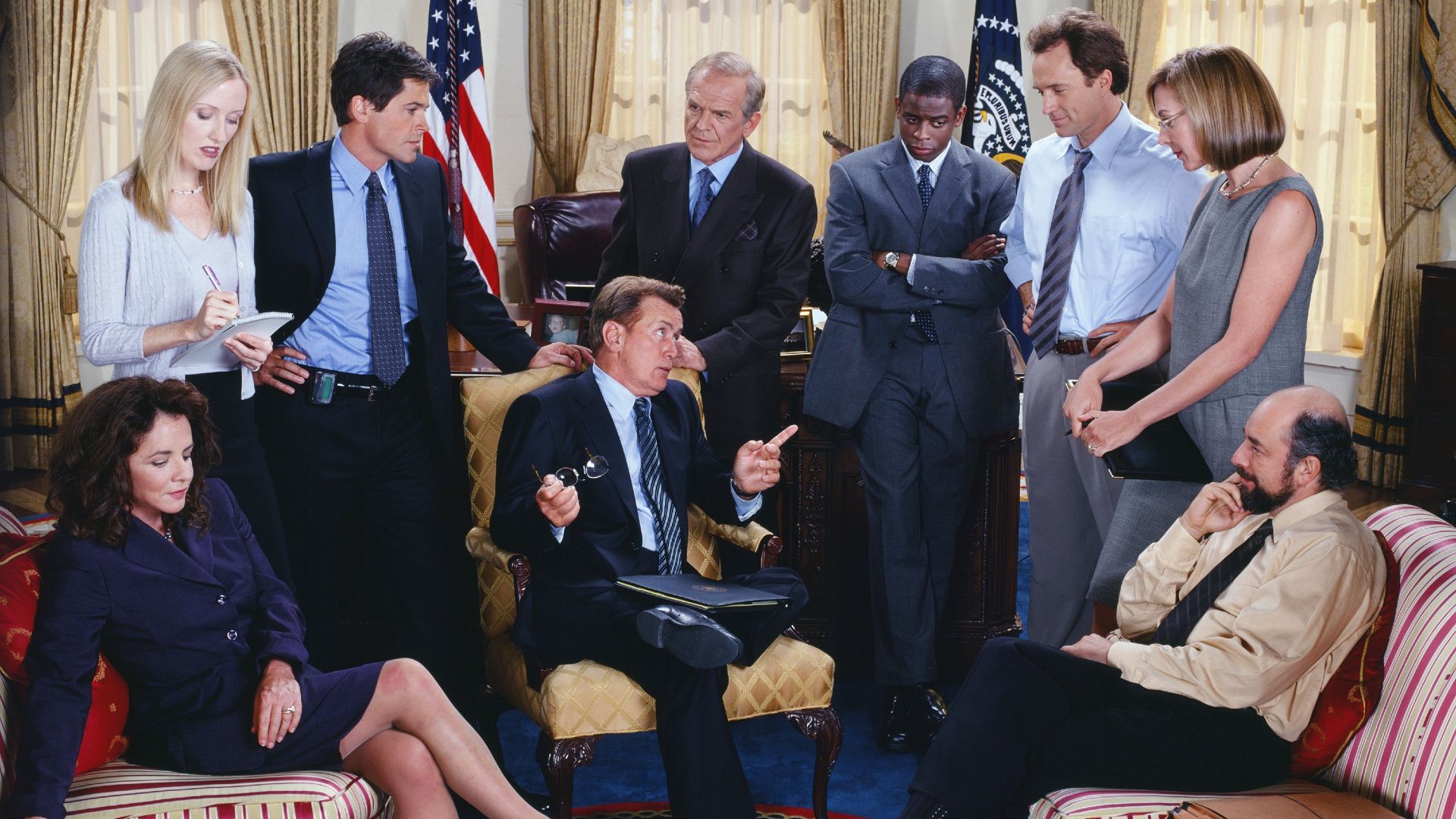
Across seven seasons, President Josiah "Jed" Bartlet (Martin Sheen) and his exceptionally talented staff navigated political scandals, national emergencies, and the daily absurdities of running the White House. Along the way, viewers became invested in everything from Josh Lyman's disastrous romantic instincts to C.J. Cregg's ability to handle practically any question thrown at her.
Even after The West Wing's celebrated series finale, its particular brand of political storytelling has remained difficult to replace. Plenty of movies feature presidents and politicians, but relatively few capture the exhausting negotiations and personal sacrifices that make public service such compelling drama.
For the closest cinematic equivalent, there's The American President, written by Sorkin four years before The West Wing premiered. Other films, including Thirteen Days and Lincoln, demonstrate how political decisions can become genuinely gripping when filmmakers focus on the people arguing behind closed doors.
Some of these selections are considerably more cynical than Bartlet's White House, while others embrace the same optimism that made the show so beloved. Whether it's the rapid-fire dialogue, complicated relationships, or fascination with how Washington works, these 10 movies offer something for anyone still missing The West Wing.
The American President (1995)

If The West Wing has a cinematic predecessor, it's undoubtedly The American President. Written by Aaron Sorkin and directed by Rob Reiner, the romantic comedy stars Michael Douglas as widowed President Andrew Shepherd, whose budding relationship with environmental lobbyist Sydney Ellen Wade (Annette Bening) threatens his reelection prospects. As their romance becomes a political liability, Shepherd must decide whether protecting his career matters more than standing by the woman he loves.
The similarities to The West Wing extend far beyond Sorkin's recognizable dialogue. Martin Sheen plays White House Chief of Staff A.J. MacInerney, while Michael J. Fox portrays an outspoken domestic policy adviser. The film's combination of sharp political arguments and personal vulnerability would later become central to Sorkin's television series. Among Aaron Sorkin's many movies, this remains the most natural recommendation for Bartlet administration loyalists.
Dave (1993)
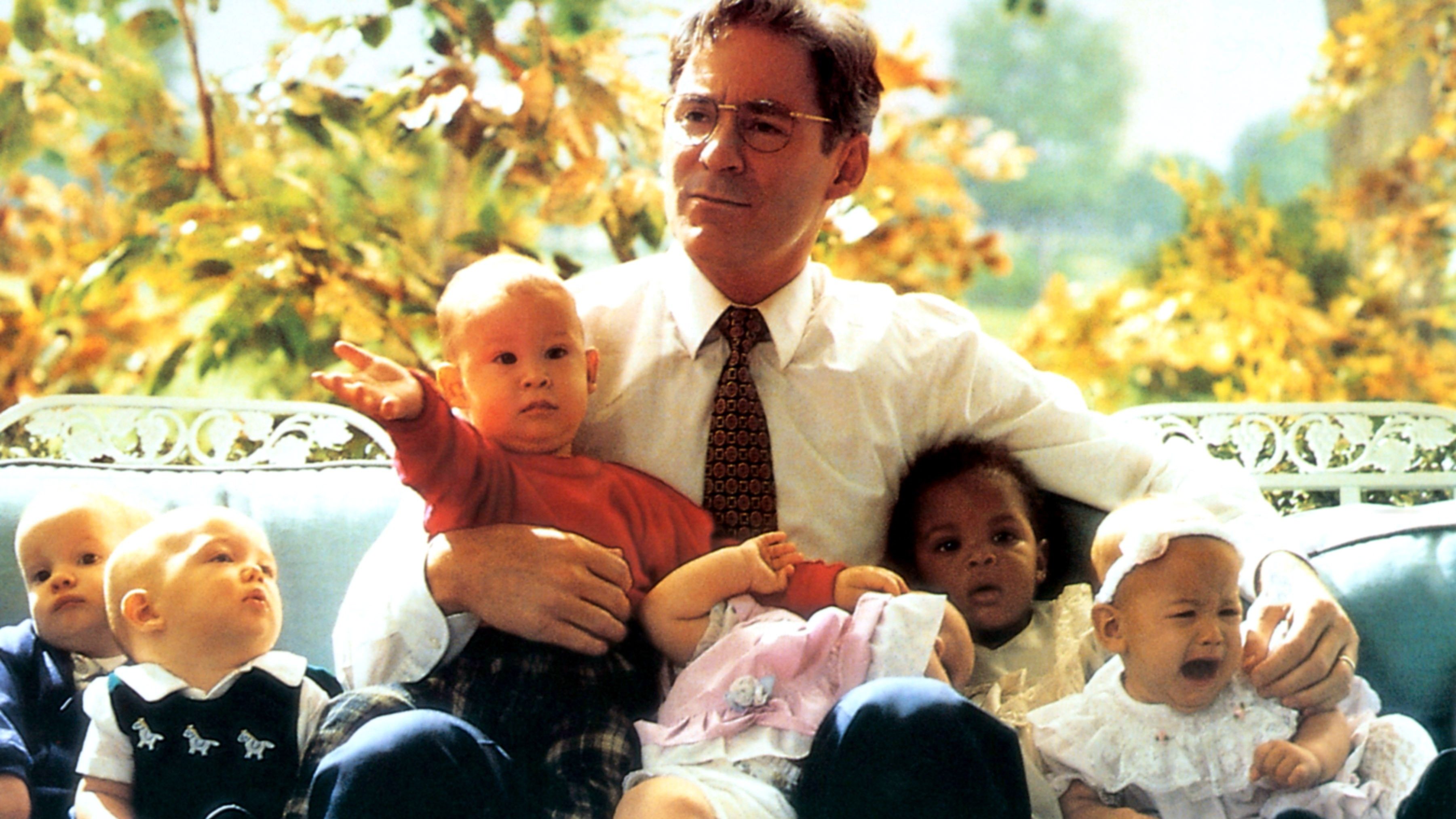
Ivan Reitman's Dave offers another appealing vision of the American presidency, albeit through a considerably more improbable premise. Kevin Kline plays Dave Kovic, an ordinary employment agency owner whose resemblance to President Bill Mitchell makes him an ideal temporary stand-in. When the real president suffers a debilitating stroke, White House officials secretly arrange for Dave to continue impersonating him, expecting their substitute to remain easily controlled.
Unfortunately for the conspirators, Dave begins taking his responsibilities seriously. His growing concern for ordinary Americans and his attempts to challenge questionable policies turn the movie into a surprisingly warm political comedy. Sigourney Weaver is especially good as First Lady Ellen Mitchell, who gradually recognizes that the man impersonating her husband possesses qualities the actual president nev er demonstrated. Like The West Wing, Dave imagines how much could change if the people holding power genuinely wanted to help.
Primary Colors (1998)

Mike Nichols' Primary Colors takes audiences inside a presidential campaign that bears an unmistakable resemblance to Bill Clinton's rise to national prominence. John Travolta stars as Southern Governor Jack Stanton, whose extraordinary charisma is matched by his frustrating inability to avoid personal scandals. Adrian Lester plays Henry Burton, an idealistic young campaign adviser who becomes increasingly conflicted about the compromises required to help Stanton win.
The film's ensemble includes Emma Thompson as Stanton's politically astute wife, Susan, and Kathy Bates as the fiercely devoted campaign operative Libby Holden. Adapted from Joe Klein's novel, Primary Colors understands that successful political campaigns depend upon far more than the candidate. Its depiction of exhausted staffers navigating impossible ethical decisions should feel familiar to viewers who watched Josh Lyman and Toby Ziegler wrestle with similar dilemmas. It's also among cinema's most memorable election movies.
The Ides Of March (2011)


George Clooney's The Ides of March offers a far less optimistic examination of campaign politics. Ryan Gosling stars as Stephen Meyers, a talented young press secretary working for presidential hopeful Mike Morris (Clooney). Stephen believes his candidate represents a genuine opportunity to change the country, but a series of betrayals gradually exposes the ruthless calculations behind the campaign's carefully managed public image.
The movie's exceptional supporting cast includes Philip Seymour Hoffman, Paul Giamatti, and Evan Rachel Wood, whose characters complicate Stephen's increasingly desperate attempts to remain politically relevant. Where The West Wing often celebrates the possibility of principled leadership, The Ides of March explores what happens when ambition overwhelms those principles. Gosling's transformation from idealistic strategist into calculating political operator makes the movie a particularly effective companion to Sorkin's more hopeful vision of Washington.
The Contender (2000)

Rod Lurie's The Contender centers on Senator Laine Hanson (Joan Allen), who becomes the president's nominee for vice president following the unexpected death of the previous officeholder. President Jackson Evans (Jeff Bridges) believes Hanson is qualified for the position, but her confirmation process becomes increasingly vicious when political opponents uncover allegations concerning her private life.
Gary Oldman delivers a suitably intimidating performance as Congressman Sheldon Runyon, who leads the effort to discredit Hanson. The movie's most compelling conflict concerns her refusal to dignify invasive questions about her personal history, even when answering them might rescue her nomination. Like the best political thrillers, The Contender recognizes that questions of character and political expediency rarely have simple answers. Its White House confrontations and moral arguments make it especially appealing to West Wing fans.
Thirteen Days (2000)

Few historical events demonstrate the enormous pressure of presidential decision-making as effectively as the Cuban Missile Crisis. Roger Donaldson's Thirteen Days dramatizes the 1962 confrontation between the United States and Soviet Union, with Bruce Greenwood portraying President John F. Kennedy and Steven Culp playing his brother, Attorney General Robert F. Kennedy. Kevin Costner stars as presidential adviser Kenneth O'Donnell, who witnesses the increasingly desperate negotiations.
Much of the film unfolds in government offices, where military leaders and civilian officials argue over responses that could trigger nuclear war. The discussions are tense precisely because the consequences are almost unimaginable, and the president must weigh conflicting advice from people with vastly different priorities. While the historical accuracy of presidential movies varies considerably, Thirteen Days effectively captures the terrifying responsibility of making decisions under extraordinary pressure.
Lincoln (2012)

Steven Spielberg's Lincoln makes the passage of legislation as dramatic as any military confrontation. Daniel Day-Lewis stars as President Abraham Lincoln during the final months of the Civil War, when he is determined to secure congressional approval for the 13th Amendment abolishing slavery. Although his ultimate objective is clear, achieving it requires persuading reluctant lawmakers and navigating political divisions within his own party.
Tony Kushner's screenplay emphasizes negotiations, competing priorities, and the practical difficulties of turning moral convictions into public policy. Day-Lewis gives Lincoln a combination of warmth and political shrewdness that makes his presidency feel remarkably human. The film also acknowledges the historical complexities surrounding the amendment's passage. Anyone who enjoyed watching Bartlet and his staff fight for legislation against seemingly impossible odds should find plenty to appreciate here.
All The President's Men (1976)
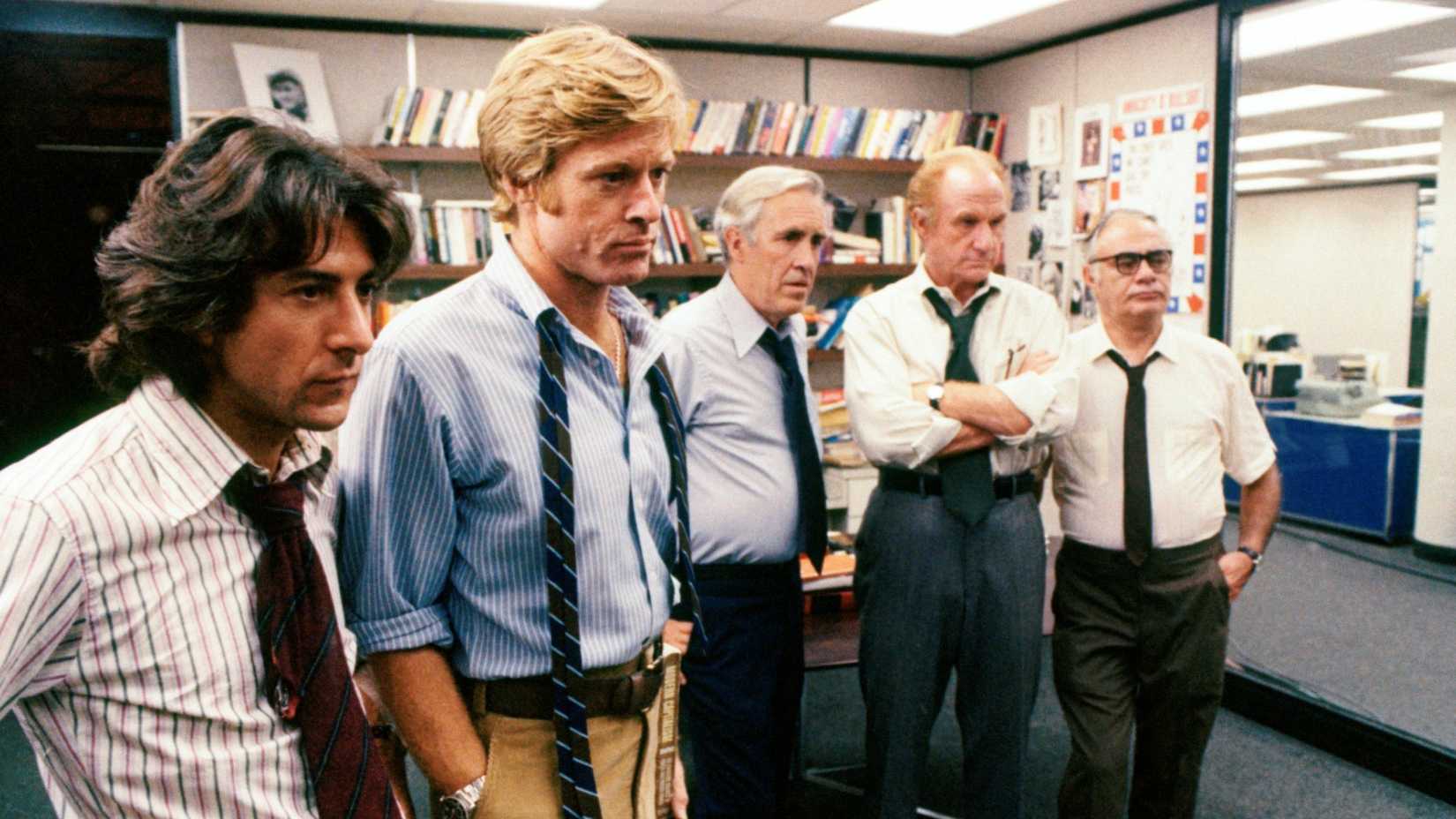
Alan J. Pakula's All the President's Men approaches Washington politics from outside the White House, following the journalists whose investigation exposed the Watergate scandal. Robert Redford and Dustin Hoffman portray Washington Post reporters Bob Woodward and Carl Bernstein, who begin examining what initially appears to be a relatively minor burglary before uncovering connections to President Richard Nixon's administration.
Rather than relying upon elaborate action sequences, the film finds tension in telephone conversations, reluctant sources, and the painstaking process of verifying information. Jason Robards is particularly memorable as editor Ben Bradlee, whose demanding leadership helps turn the investigation into a defining moment in American journalism. The movie's reputation as one of the great investigative journalism films is well deserved. Its emphasis on accountability also connects with The West Wing's ongoing examination of political power.
The Trial Of The Chicago 7 (2020)

Aaron Sorkin returned to political history with The Trial of the Chicago 7, which he wrote and directed. Based on the prosecution of anti-Vietnam War protesters following the 1968 Democratic National Convention, the film features an ensemble including Eddie Redmayne, Sacha Baron Cohen, Yahya Abdul-Mateen II, and Mark Rylance. Their characters face a deeply contentious trial that becomes a confrontation over civil liberties and government authority.
The courtroom provides an ideal setting for Sorkin's famously energetic dialogue, with political arguments unfolding through heated exchanges and competing interpretations of justice. As with The West Wing, the characters are deeply invested in their convictions, even when those beliefs bring them into conflict with their own allies. Although the screenplay takes significant liberties with the historical events, the film's combination of ensemble performances and political debate makes it an appealing recommendation for Sorkin enthusiasts.
Charlie Wilson's War (2007)
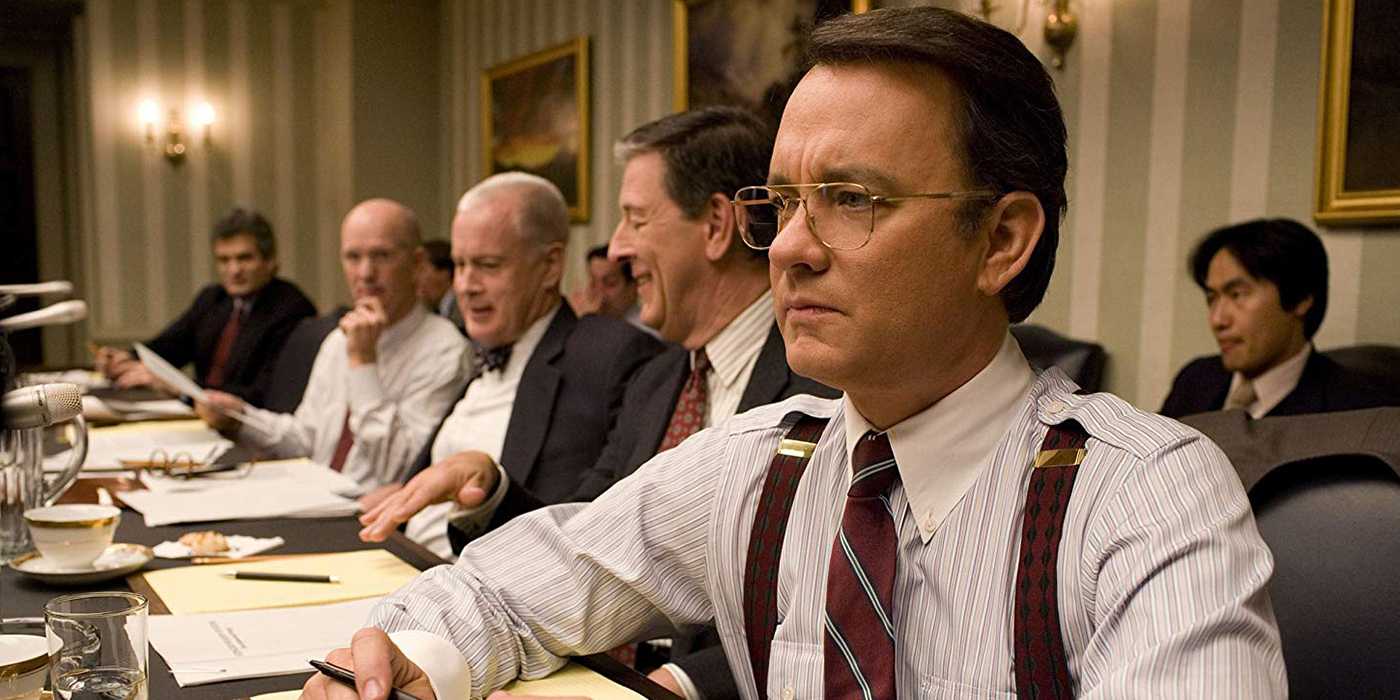
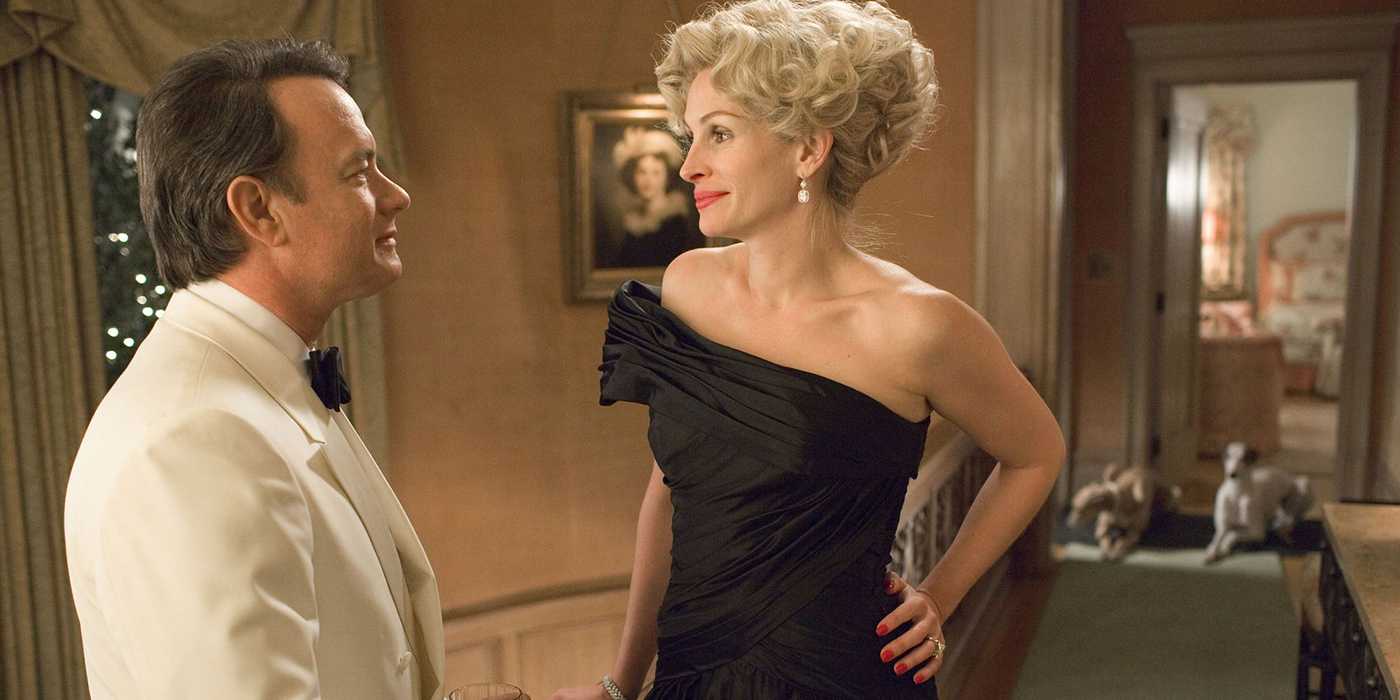
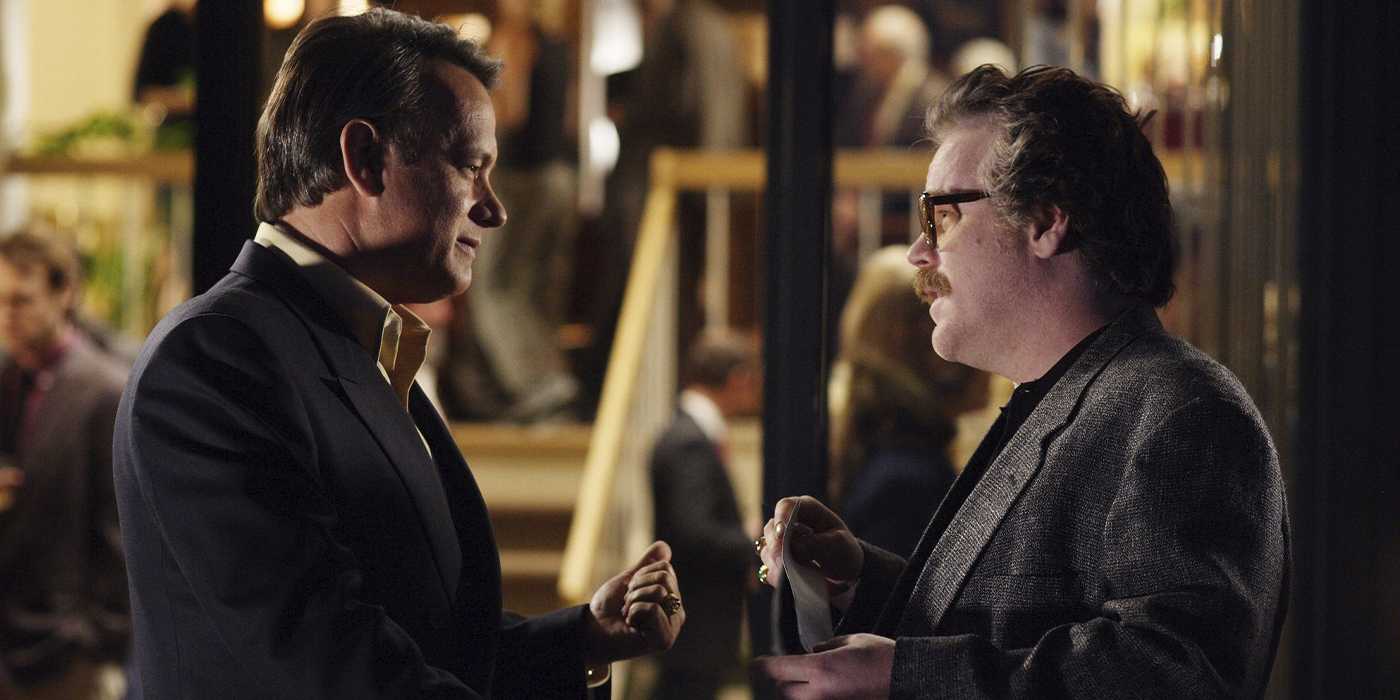
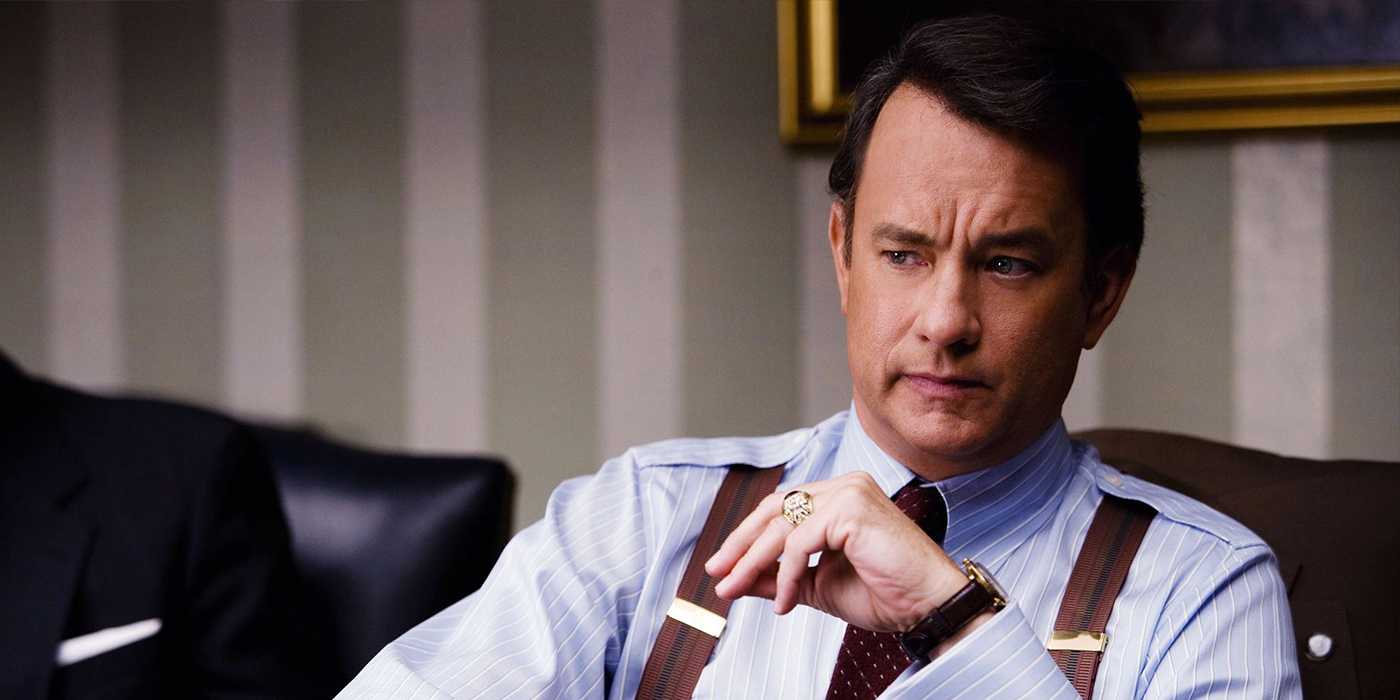
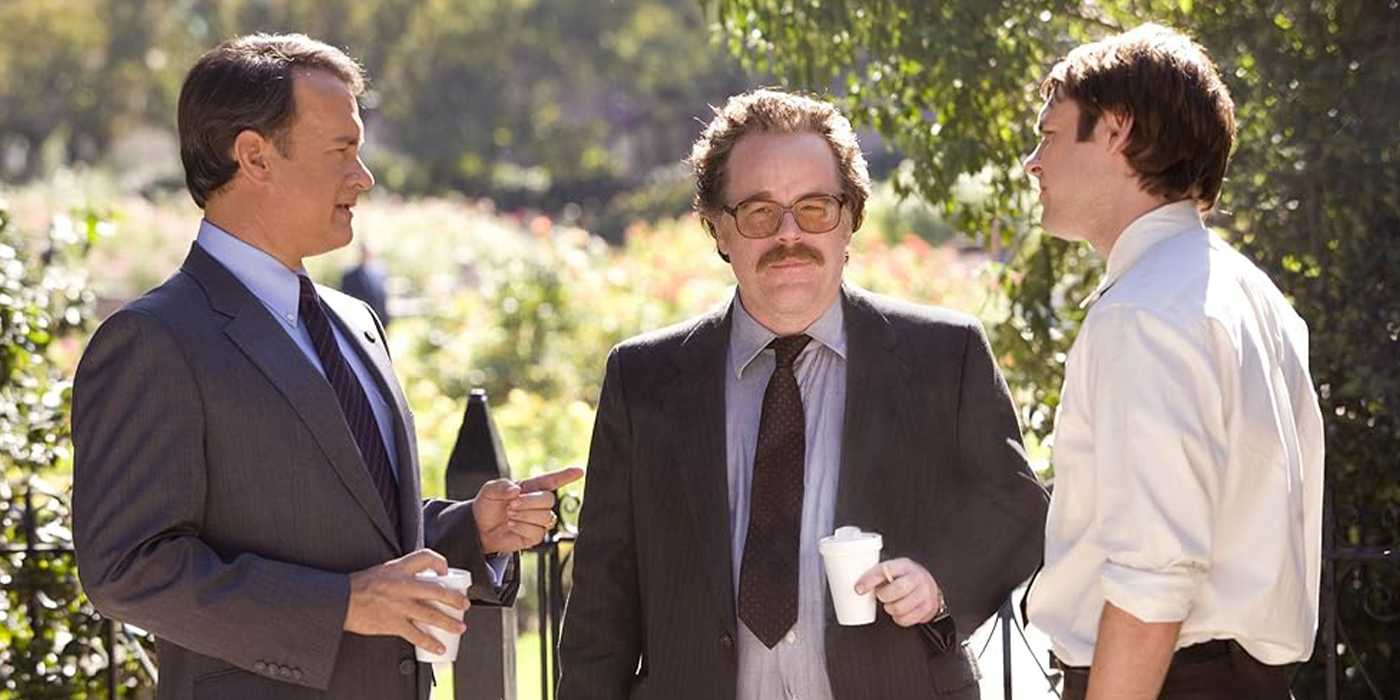
Mike Nichols' Charlie Wilson's War brings Aaron Sorkin's unmistakable writing style into the world of international diplomacy. Tom Hanks stars as real-life Texas Congressman Charlie Wilson, whose interest in supporting Afghan resistance fighters during the Soviet-Afghan War develops into an increasingly ambitious covert operation. Julia Roberts plays influential socialite Joanne Herring, while Philip Seymour Hoffman steals numerous scenes as foul-mouthed CIA operative Gust Avrakotos.
The film's greatest pleasure comes from watching its unlikely collaborators navigate Washington's political machinery. Wilson must secure funding and build relationships across the government while attempting to influence a conflict thousands of miles away. Sorkin gives the process the kind of energy that made ordinary policy disputes so entertaining on The West Wing. The story also examines the consequences of political victories that aren't supported by long-term planning, making this one of the most fascinating Cold War movies told from behind the scenes.

- Release Date
- December 19, 2007
- Runtime
- 102 Minutes
- Director
- Mike Nichols
KioskNews shows a cleaned-up reading view extracted from the publisher’s page — the original always lives on their site, not ours.