Prime Video's 8-Part Sci-Fi Thriller Series Is Cyberpunk Done Right

Cathal Gunning has been writing about movies, television, culture, and politics online and in print since 2017. He worked as a Senior Editor in Adbusters Media Foundation from 2018-2019 and wrote for WhatCulture in early 2020. He has been a Senior Features Writer for ScreenRant since 2020.
Although one Prime Video show finally worked out how to get cyberpunk right on the small screen, the sci-fi series was short-lived despite its critical success. If HBO’s Westworld proved anything, it was that even the most promising sci-fi shows can often go off the rails when their stories prove too complex for their own good. This is doubly true in the cyberpunk genre, where narrative complexity is part of the appeal.
Classic cyberpunk novels like Philip K. Dick’s Do Androids Dream of Electric Sheep and William Gibson’s Neuromancer can be notoriously tough to follow for some readers thanks to their futuristic settings, slang borrowed from film noir and hard-boiled detective novels, and trippy, hallucinatory imagery. Even movie adaptations like Ridley Scott’s Blade Runner can struggle with this. While the 1982 adaptation is now viewed as an undisputed classic, both audiences and critics were confused by Blade Runner upon its original release.
Thus, it should hardly come as a shock that cyberpunk TV shows have rarely won over mainstream viewers. Thanks to the longer runtime of TV shows, these series have even more time to make their internal worlds feel more complicated and unfamiliar, which can often result in viewers feeling confounded by all the complexity. However, Prime Video’s The Peripheral bucked this trend with a slick show mainstream viewers could follow, even if it was tragically short-lived.
Prime Video's The Peripheral Is A Near-Perfect Cyberpunk Series

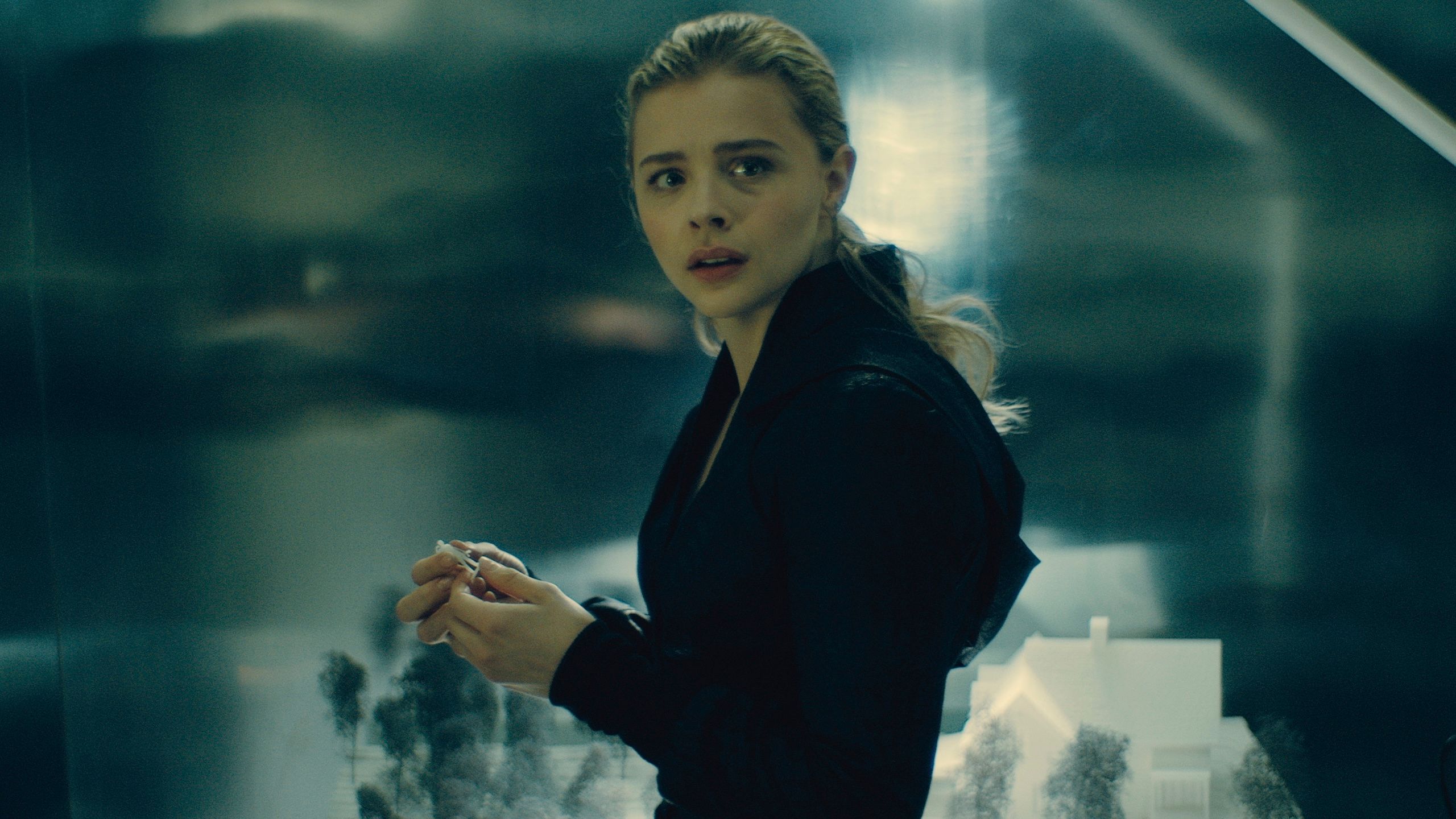
Based on the Gibson novel of the same name from 2014, The Peripheral’s story took place across two timelines. In the near future of 2032, Chloë Grace Moretz’s underemployed gamer Flynne Fisher tests out a new VR headset game in exchange for some quick cash. She finds the post-apocalyptic game, set in London 70 years into the future, to be unexpectedly immersive. Then she learns that it isn’t really a game at all.
As The Peripheral continues, Flynne finds out that she has actually been piloting a real robot body, the titular Peripheral, via quantum tunneling. Soon, she is thrust into a world of intrigue where no one can be trusted, and Fisher must work out how to navigate a complicated murderous conspiracy both in her 2032 reality and in her Peripheral’s 2102 life. It’s a killer premise, but unfortunately, one that was canceled too soon.
Where Netflix’s ambitious sci-fi series 3 Body Problem was wisely renewed for two more seasons after its first outing, to ensure the show had sufficient screen time to complete its story, The Peripheral wasn’t so lucky. Like Netflix’s earlier cyberpunk series Altered Carbon, season 1 of The Peripheral spent a lot of screen time explaining its complex sci-fi setup, meaning the show’s sophomore outing could have been free to explore the storyline in more depth.
The Peripheral’s Swift Cancellation Doesn’t Bode Well For Upcoming Cyberpunk Shows

Instead, The Peripheral was canceled just as the Gibson adaptation was truly taking flight, despite a killer supporting cast including Jack Reynore, Katie Leung, and Charlotte Riley, among others. This was a real shame, since The Peripheral’s first eight episodes displayed plenty of promise and proved that cyberpunk was not too inherently complex as a subgenre to work on the small screen.
This doesn’t seem to bode well for upcoming cyberpunk shows like Apple TV’s Neuromancer, another Gibson adaptation, or Prime Video’s Blade Runner 2099. The Peripheral did an incredible job of making cyberpunk palatable to mainstream viewers without watering down its central appeal, but the starry series was still canceled after a mere eight episodes despite earning largely positive reviews upon its 2022 release.
While Blade Runner 2099 is linked to a major existing franchise, it is worth noting that neither Blade Runner nor its 2017 sequel, Blade Runner 2049, was a box office hit. Similarly, the fact that Gibson wrote the source material for both Neuromancer and The Peripheral makes it feel worryingly likely that the same unfortunate fate may await these sci-fi shows.

- Release Date
- 2022 - 2022-00-00
- Network
- Prime Video
- Showrunner
- Scott B. Smith
- Directors
- Alrick Riley, Vincenzo Natali
- Writers
- Scott B. Smith, Jamie Chan, Greg Plageman, Bronwyn Garrity, William Gibson
KioskNews shows a cleaned-up reading view extracted from the publisher’s page — the original always lives on their site, not ours.