Tech Stocks Sell-Off Drags Wall Street Toward Its Worst Day Since June
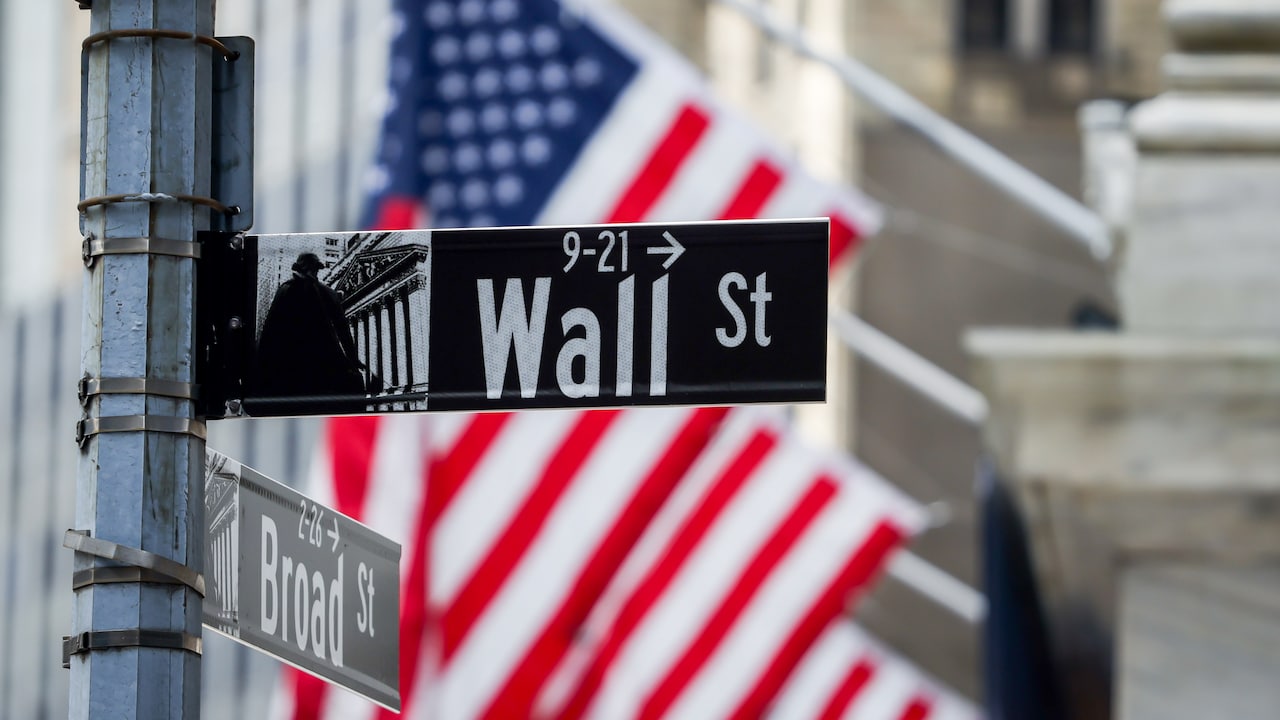
A sell-off for tech stocks is getting worse Friday on worries that Wall Street's frenzy around artificial-intelligence technology sent prices too high.
The S&P 500 dropped 2.2% and was heading toward its worst day since June and a third straight losing week. The weakness for technology stocks dragged the Nasdaq composite down a market-leading 3.4%, as of 2:15 pm Eastern time, while the Dow Jones Industrial Average was down 634 points, or 1.2%.
The US stock market remains only 3.4% below its all-time high, which has boosted the value of workers' 401(k) accounts, but it's become increasingly shaky just days before Tuesday's midterm elections in the United States. Worries about AI in general have already become a bipartisan concern for voters, and President Donald Trump has historically used the stock market's performance as a measure of his own success.
Intel's stock led the way lower and is flirting with the worst day in its history, which goes back to 1972, after tumbling 30.9%. The chipmaker gave a forecast for profit in the final three months of this year that fell short of analysts' expectations, as CEO Lip-Bu Tan said the personal-computer industry continues to feel pressure. The drop came even though Intel reported a stronger profit for the latest quarter than analysts expected.
Amazon sank 2.1% after reporting a weaker profit for the summer than analysts expected. Potentially more concerning for investors was Amazon's reporting that it burned through $42.4 billion of cash over the prior 12 months, according to a measure called free cash flow. It spent $94.8 billion on property and equipment, primarily through investments in artificial-intelligence technology.
A day earlier, Alphabet's stock dropped more than 12% to its worst day on record and dragged the S&P 500 lower after telling investors it burned through more cash during the summer than the spring. The company behind Google and YouTube cited similar, mammoth investments in AI.
Worries are rising about whether all those hundreds of billions of dollars will produce enough profit and productivity to make the investment worth it. At the same time, stocks of computer chip companies and other winners from the frenzy to build AI data centers have come under pressure on concerns that high interest rates may slow the further build-out of data centers.
"We're moving out of the hopes and dreams phase of the AI trade and into the 'show me' phase," said Joe Tigay, portfolio manager at Equity Armor Investments, in a note to investors.
A drop of 5.3% for the stock price of Nvidia, the chip company that became the poster child of the AI frenzy, was the heaviest force pulling the S&P 500 downward, even more than Intel.
In the cryptocurrency industry, meanwhile, stocks tumbled following a hack on the world's biggest crypto exchange. The price of bitcoin fell below $77,000 from more than $86,000 earlier this month, and a US-based blockchain intelligence firm said a North Korean unit was likely behind the attack that impacted more than $6 billion worth of crypto at Binance.
Coinbase Global fell 14.2% even though it reported stronger results for the latest quarter than analysts expected. Strategy, which says it owns about 4% of the total supply of bitcoin, fell 9%. It also reported a stronger profit for the latest quarter than analysts expected, while saying its chief financial officer will resign next week for personal reasons.
Outside of tech, stocks were more resilient as many rallied after reporting stronger profits for the summer than analysts expected. Nearly as many stocks rose in the S&P 500 index as fell.
ExxonMobil climbed 1.7%, and Chevron added 1.5% after the oil giants both reported stronger profit for the summer than analysts expected.
Mondelez International rose 4.1% after the company behind Oreo cookies and Ritz crackers reported stronger-than-expected growth.
Colgate-Palmolive climbed 3.3% after higher prices for its products around much of the world helped it deliver better revenue and profit than analysts expected.
Expectations are high for US companies' ability to make bigger profits, even though people around the world are feeling discouraged about high inflation and high fuel prices. Such expectations are what drove the S&P 500 to its record earlier this month.
In the bond market, Treasury yields eased in a signal that investors were buying US government bonds in search of something safer to own. The yield on the 10-year Treasury fell to 4.92% from 4.98% late Thursday and from more than 5.30% earlier this month.
Treasury yields fell even though oil prices bounced higher, something that usually drives yields higher because it worsens inflation. The price for a barrel of Brent crude oil rose 2.4% to $113.50. It's near the high end of its range since the war with Iran sent oil prices and inflation higher.
In stock markets abroad, indexes were mixed in Europe following sharper swings in Asia.
South Korea's Kospi dropped 3.5% as worries about AI hit its tech-heavy market, while the Hang Seng in Hong Kong climbed 1.5%.
Japan's Nikkei 225 fell 2.1% after the Bank of Japan decided to keep interest rates steady, echoing moves made earlier in the week by the Federal Reserve and the European Central Bank.
(Except for the headline, this story has not been edited by NDTV staff and is published from a syndicated feed.)
KioskNews shows a cleaned-up reading view extracted from the publisher’s page — the original always lives on their site, not ours.